


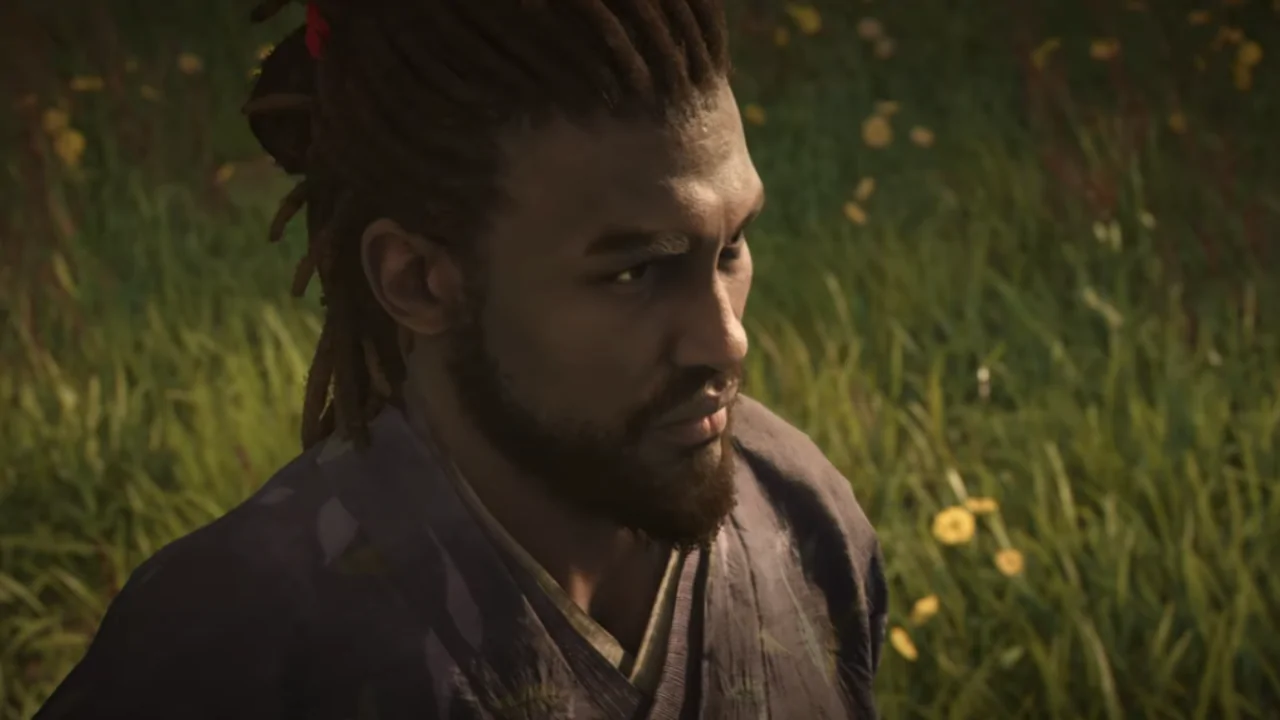
With Assassin’s Creed Shadows set to launch in just three days, Ubisoft’s mounting desperation has reached a new level. Reports now indicate that the company has quietly enlisted a special team tasked with shielding the developers from what they call “online harassment.” However, it’s the vague, undefined nature of what Ubisoft actually considers “harassment” that’s raising serious concerns—and has many questioning whether the company is simply using this initiative to silence critics and control the narrative around its latest, highly controversial title.
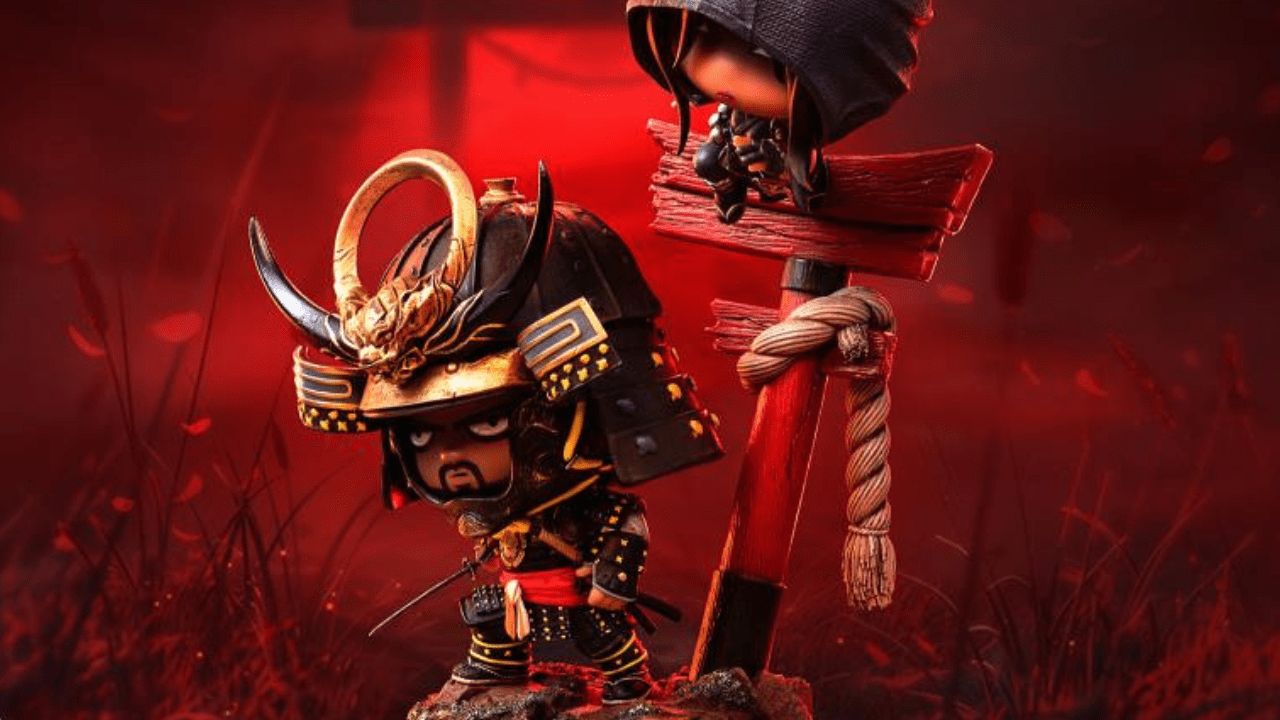
Assassin’s Creed Shadows Qlectors Yasuke & Naoe (2024), Pure Arts
According to an anonymous Ubisoft employee speaking with French outlet BFMTV, Ubisoft has put in place a sweeping “anti-online harassment plan” ahead of the game’s release. This includes dedicated teams monitoring platforms like X, YouTube, Reddit, and others. Ubisoft reportedly has lawyers already lined up, prepared to file complaints against those they believe are crossing the line. The company has even gone as far as advising developers not to disclose their employment on social media to avoid becoming targets.
While there’s no doubt that personal threats directed at employees are unacceptable, many fans and industry observers are asking the critical question: where is Ubisoft drawing the line? Could negative reviews, memes, or even fair criticism of Assassin’s Creed Shadows fall under their interpretation of “harassment?
Government Backing Raises Eyebrows
Making matters even more troubling, reports suggest that Ubisoft is working directly with Canada’s Communications Security Establishment (CSE) to monitor online discourse. CSE’s involvement, an agency tied closely to government cybersecurity and oversight, has sparked fresh concerns about whether a major gaming corporation should have access to such state-backed tools for monitoring public commentary.
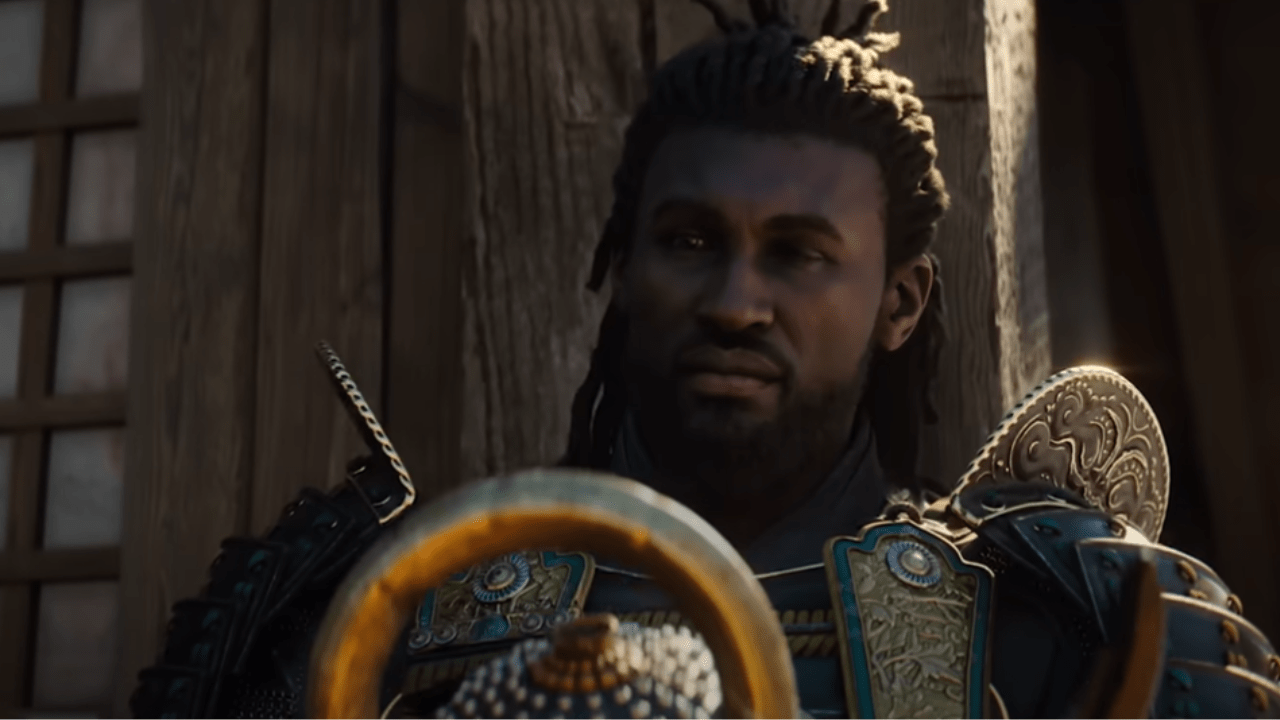
A screenshot from Assassin’s Creed Shadows (2024), Ubisoft
READ: Lilo & Stitch Trailer Shatters Records While Snow White Sinks—Fans Reward Faithful Adaptation
The idea of a government-affiliated body assisting in silencing criticism—not illegal behavior, but simple criticism—has raised red flags for those worried about growing censorship in gaming spaces. Is this truly about protecting employees, or is it about protecting Ubisoft’s brand image at all costs?
Controlling the Narrative Instead of Fixing the Product
Ubisoft has had a rough few years. Between the cancellations of titles like XDefiant, poor reception to games like Star Wars Outlaws, and repeated financial setbacks, the company is facing significant pressure from investors and fans alike. Internally, Ubisoft’s leadership is under fire, with major shareholders even calling for CEO Yves Guillemot’s removal.
A screenshot from Assassin’s Creed Shadows (2024), Ubisoft
Much of that pressure now rests on the shoulders of Assassin’s Creed Shadows, a game that’s faced months of backlash for everything from historical inaccuracies to questionable design choices. Instead of addressing the actual criticism—such as why a Black samurai with debatable historical ties is front and center in a Japan-set story—Ubisoft seems to be doubling down, rolling out legal teams and government assistance to control the conversation online.
This isn’t a strategy focused on delivering a product that can stand on its own. It’s about silencing negative voices, regardless of whether the feedback is legitimate. It sets a dangerous precedent not just for Ubisoft, but for the gaming industry as a whole.
Will Criticism Be Labeled “Harassment”?
The problem lies in Ubisoft’s refusal to clearly define what constitutes “harassment.” Without transparency, content creators, journalists, and regular gamers are left wondering: Could honest reviews or negative opinions suddenly be flagged, removed, or met with legal threats?

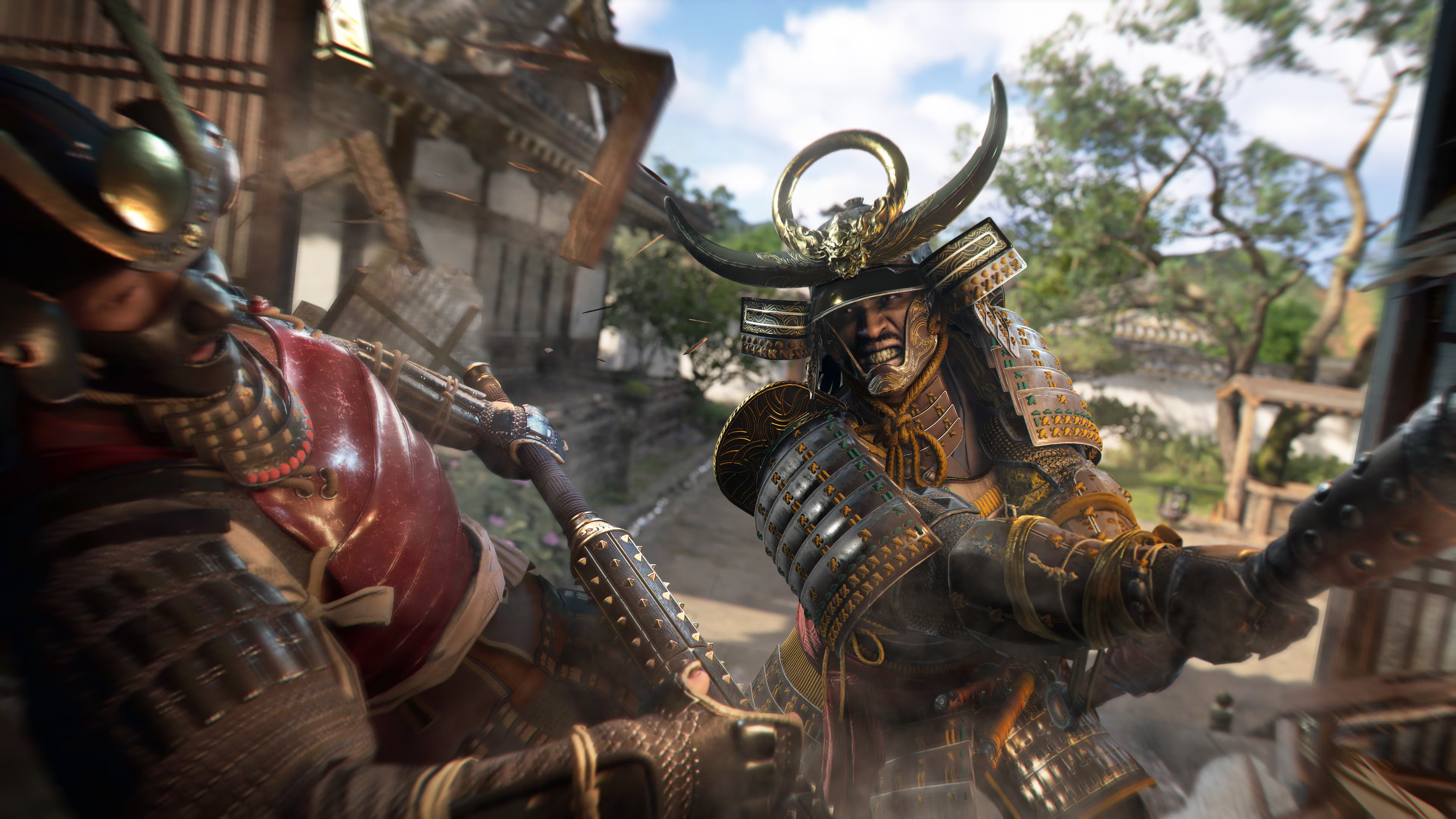
Yasuke executes an innocent man pressed into a fight in Assassin’s Creed Shadows (2024), Ubisoft
Given recent instances where Ubisoft allegedly targeted creators for simply discussing leaks or criticizing internal decisions, it’s not unreasonable to think this new “anti-harassment” policy could be weaponized. When a company conflates public commentary with personal abuse, it becomes clear that free discourse is at risk.
Ubisoft’s Future at a Crossroads
Ubisoft’s financial instability, paired with its insistence on controlling online narratives rather than improving its product, points to a company in deep crisis. Instead of embracing feedback and listening to its long-time fan base, Ubisoft appears more concerned with silencing dissent, even if it means enlisting government help to do so.

A screenshot from Assassin’s Creed Shadows (2024), Ubisoft
As Assassin’s Creed Shadows approaches launch day, the gaming community faces a pivotal moment. Will Ubisoft’s strategy of clamping down on criticism set a new industry standard—or will players push back against the creeping control over how games are discussed?
Let us know your thoughts—how do you think Ubisoft will define “harassment”? Do you believe this strategy will backfire? Sound off in the comments and let us know!
