



Ubisoft CEO Yves Guillemot is throwing his support behind one of the gaming industry’s most controversial decisions in years, arguing that Sony’s move to eliminate physical PlayStation games beginning in 2028 won’t meaningfully disrupt the business.
Coming from almost any other executive, those comments would have sparked debate.
Coming from the head of Ubisoft—a publisher that has become synonymous with missed expectations, canceled projects, layoffs, studio closures, and one of the most dramatic stock collapses in modern gaming—they raise a different question entirely.
Should the industry really be taking advice from a company that has spent years redefining what AAA failure looks like?
Ubisoft Says Digital-Only Won’t Hurt Gaming
During Ubisoft’s latest earnings call, Guillemot was asked about Sony’s decision to stop producing new PlayStation game discs beginning in January 2028. Rather than expressing concern about consumer backlash or game preservation, he argued that the transition would ultimately be beneficial.
READ: Johnny Depp Appears at Comic Con as Ebenezer Scrooge — Makes Anti-Trump Tariff Joke
Drawing comparisons to PC gaming’s transition away from physical media, Guillemot said: “What we saw on the PC is that it helped to grow the market. There’s also some pressure for the future on the cost of machines, and being able to be only digital will help to have a more accessible machine… There are pluses and minuses. But we think it will not disturb, too much, the industry.”
Sony announced earlier this month that all new PlayStation games released after January 2028 will be digital-only, effectively ending decades of physical game releases on the platform. The company argues the move reflects changing consumer habits and increasing digital adoption.
The Messenger Matters
There’s a difference between making an argument and being a credible messenger for it.
Ubisoft enters this debate after one of the worst five-year stretches any major publisher has endured. As of this writing, Ubisoft’s stock sits around $1.06 per share. Five years ago, it traded around $13.22.
That’s roughly a 92% decline in shareholder value.

Key art for XDefiant (2024), Ubisoft
During that same period, Ubisoft has weathered:
- Multiple commercial disappointments.
- Repeated delays across major franchises.
- Studio closures and layoffs.
- Corporate restructuring.
- Billions wiped from its market value.
- Heavy reliance on cost-cutting and Tencent-backed restructuring to stabilize the company.
Even Ubisoft admits the turnaround remains years away, with profitability targets pushed further into the future as restructuring continues.
That doesn’t automatically make Guillemot wrong about digital distribution. But it does invite scrutiny over whether one of the industry’s poorest-performing AAA publishers should be reassuring consumers that another controversial corporate decision is nothing to worry about.
PC Isn’t PlayStation
Guillemot’s comparison between PC gaming and PlayStation also glosses over one significant difference.
PC gamers enjoy an open ecosystem.
Steam, GOG, Epic Games Store, Microsoft Store, Humble Bundle, itch.io, and countless third-party retailers all compete for customers. Prices fluctuate constantly, sales are frequent, and consumers can choose where to buy their games.
PlayStation doesn’t work that way.
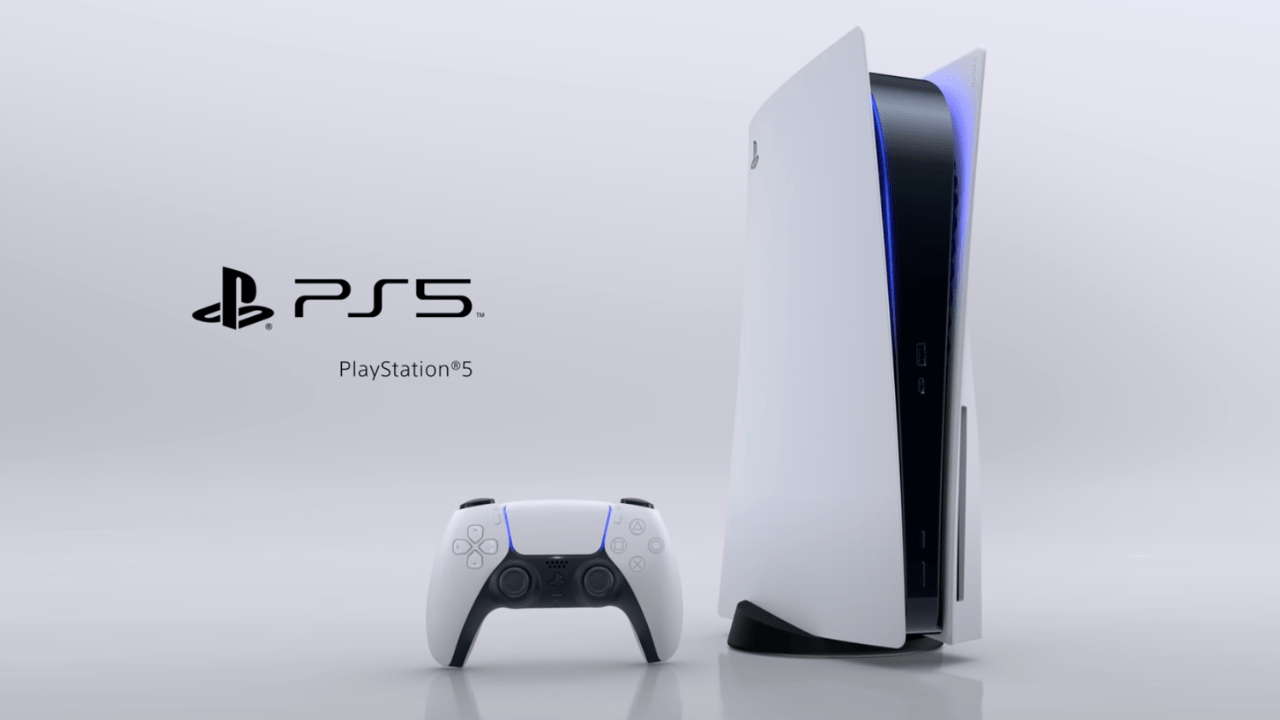
A Playstation 5 console and controller – YouTube, PlayStation
READ: Wall Street Journal Report Shows Guests Don’t Like Disney’s Lightning Lane
Once physical games disappear, Sony’s digital storefront becomes the primary gatekeeper for new releases. Consumers lose many of the benefits physical media has traditionally offered, including:
- Used game sales.
- Lending games to friends.
- Collectibility.
- Long-term ownership independent of storefront availability.
- Retail price competition.
Those differences explain why Sony’s announcement generated immediate backlash despite digital purchases already accounting for the majority of software sales.
Ubisoft Continues Betting on an Industry Shift Many Players Oppose
Ubisoft has spent much of the last decade embracing trends that many traditional gamers have resisted.
The publisher has increasingly leaned into live-service experiences, recurring monetization models, subscription offerings, and digital ecosystems while scaling back its reliance on traditional boxed releases.
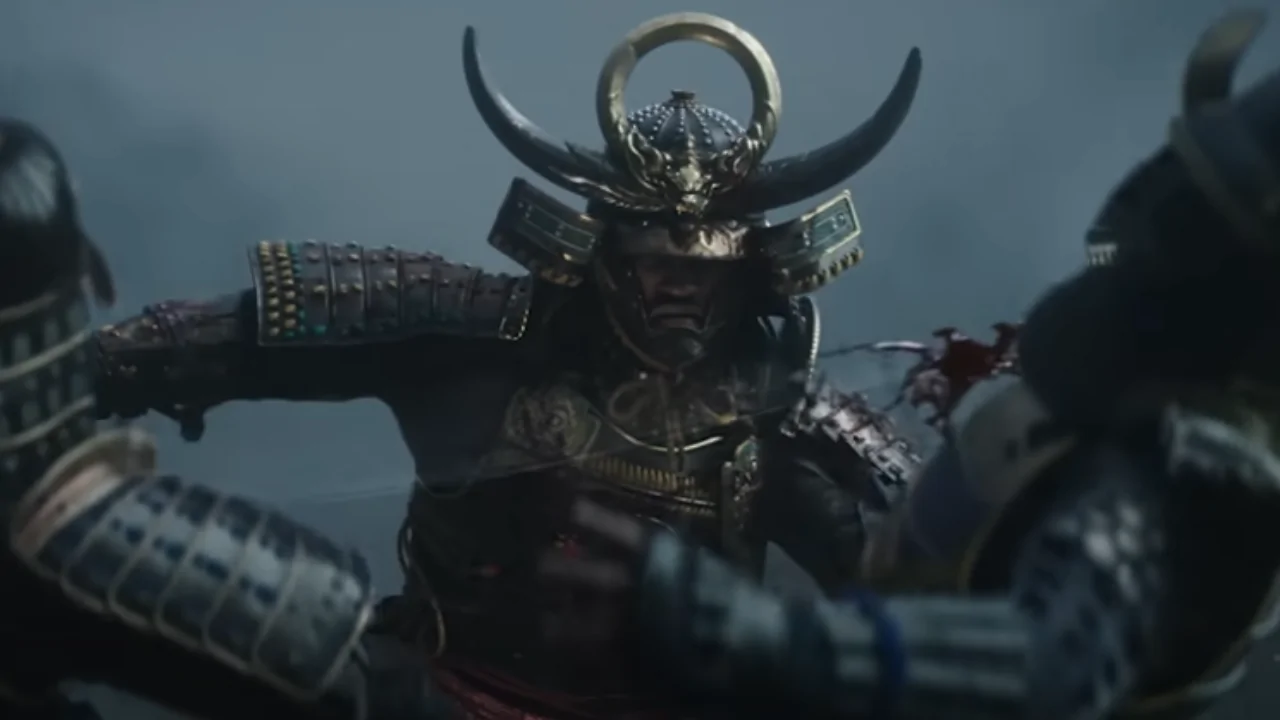
A screenshot from Assassin’s Creed Shadows (2024), Ubisoft
Supporting Sony’s move toward an all-digital future is consistent with that broader strategy.
Whether consumers agree is another matter.
Many players view physical media as more than nostalgia. They see it as protection against disappearing licenses, delisted games, server shutdowns, and an increasingly restrictive digital marketplace.
A Tough Sell From a Company Looking to Rebuild Trust
Sony’s decision will undoubtedly reshape the PlayStation ecosystem over the coming years, and reasonable people can disagree over whether an all-digital future is inevitable.
But Ubisoft’s enthusiastic endorsement arrives at an awkward time.

A screenshot from Star Wars Outlaws (2024), Ubisoft
After years of declining investor confidence, repeated restructurings, and a stock price that has fallen more than 90% over the last five years, the publisher is still working to rebuild credibility with both investors and gamers.
That reality doesn’t invalidate Guillemot’s opinion.
It does mean many players are likely to view Ubisoft defending one of the industry’s most unpopular decisions through the lens of the company’s own recent track record rather than taking it as reassurance.
How do you feel about Ubisoft and its comment about physical games? Sound off and let us know!
UP NEXT: Paramount Warner Bros. Merger Delayed Until 2027 After Stunning Court Agreement
