


Several Warhammer YouTube Channels have been deleted with others facing imminent removal after receiving copyright strikes from a third-party organization whose authority to act on behalf of Warhammer 40,000 IP owner Games Workshop remains unclear.
The strikes are not coming directly from Games Workshop, nor from YouTube itself. Instead, they originate from a company calling itself Internet Enforcement MarkScan, also referred to as MarkScan Enforcement—an entity that appears to be selectively targeting Warhammer-related content across multiple independent channels.
This issue was first covered by The Writing Raven on DEIDetected.com.
If the strikes are not reversed in time, some creators could stand to lose their channels entirely. For the channels Automatic Singer and GrimDark Narrator, it’s already too late. Their channels were removed this week.
A Pattern of Targeting Warhammer Content
What makes this situation particularly alarming is the consistency of the enforcement. The affected creators—The Automatic Singer, The Amber King, and GrimDark Narrator—all produce Warhammer-related material, but in very different formats.
Music, lore breakdowns, and narrated fiction are all being hit. But other, non-Warhammer videos on the same channels remain untouched.

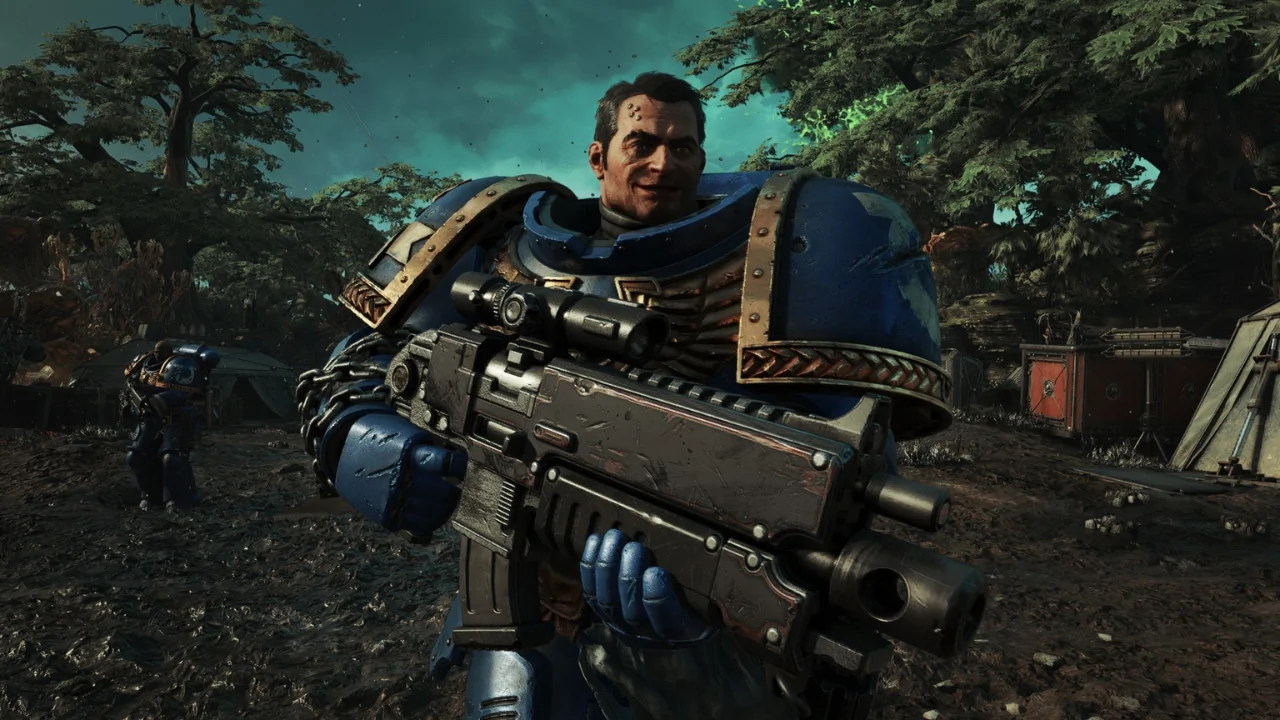
Key art for Warhammer 40,000: Space Marine 2 (2024), Saber Interactive
That pattern strongly suggests that this isn’t an automated sweep or a broad copyright cleanup. It looks targeted.
For The Automatic Singer, the consequences have been especially severe. Despite running a multi-fandom channel, only his Warhammer 40K songs have been struck. In a public community post, he explained that after reviewing the strike notifications more closely, he became unconvinced that they originated from Games Workshop at all.
“At first glance, it looked like the strikes were coming from Games Workshop. But when I actually looked at the emails, I am not convinced they are from Games Workshop at all. The emails come from a company calling itself Internet Enforcement MarkScan… From what I can find, they are not associated with Games Workshop, and it does not appear that they even have the rights to issue these strikes.”

A screenshot from Warhammer 40,000: Space Marine 2 (2024), Focus Entertainment
He went on to note that he could find no clear evidence linking the company to Games Workshop or granting it the authority to issue strikes. That distinction matters—because under YouTube’s copyright system, the assumption of legitimacy carries enormous power.
Despite attempts to appeal the removal, the channel appears to have been completely removed from YouTube’s platform.
How YouTube’s System Amplifies the Damage
Once a strike is issued, YouTube treats the claimant as a legitimate rights holder or authorized agent unless successfully challenged. That means demonetization, upload restrictions, and countdowns toward permanent channel deletion can begin immediately.
Creators do have the option to file counter-notifications, but the process is slow, opaque, and time-sensitive. Even if a creator is ultimately vindicated, the channel can still be deleted before the dispute is resolved.
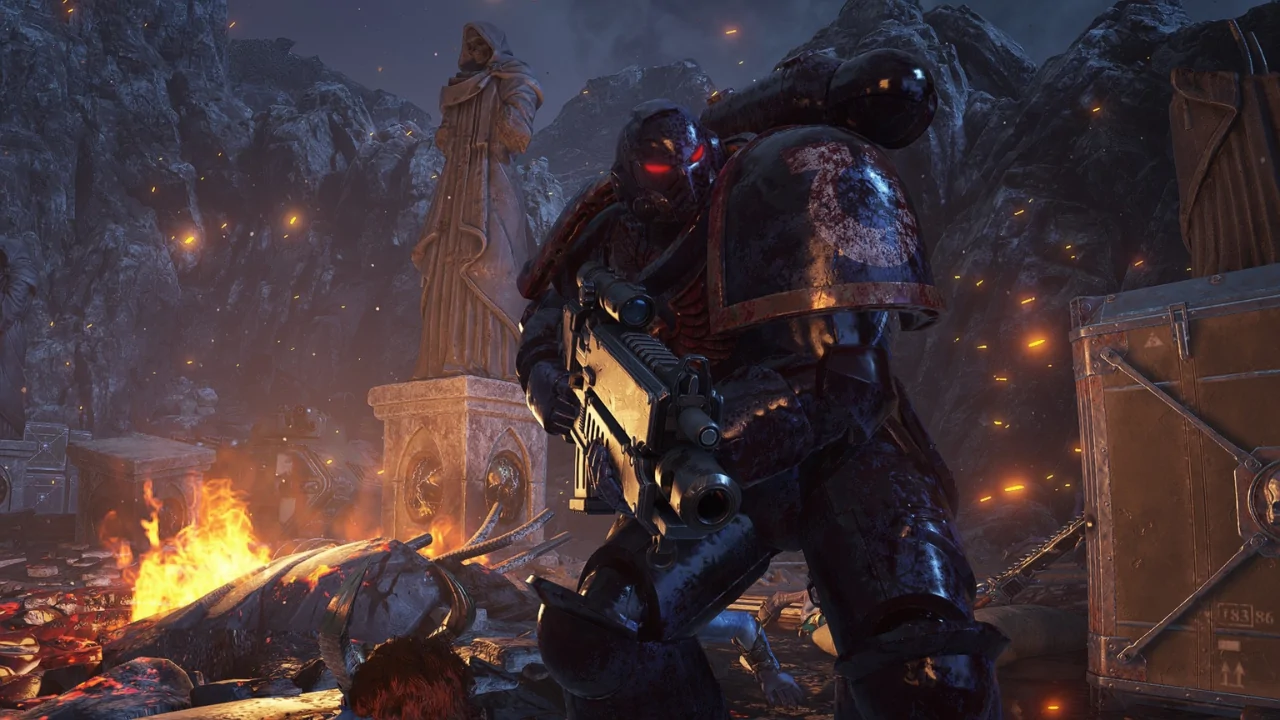
A screenshot from Warhammer 40,000: Space Marine 2 (2024), Focus Entertainment
Both The Amber King and GrimDark Narrator reported nearly identical experiences—Warhammer-only strikes, minimal explanation, and looming deadlines that threaten years of archived work.
This isn’t just about lost revenue. For many of these creators, their YouTube channels represent entire communities built around Warhammer lore and storytelling—communities that could vanish overnight due to an unverified third-party claim.
Who Is Internet Enforcement MarkScan?
That question sits at the heart of the controversy.
MarkScan is not a household name in fandom or media enforcement circles, yet it has been able to trigger some of YouTube’s most severe penalties with little apparent scrutiny. Online reviews and forum posts paint a troubling picture, with multiple creators across different niches describing vague claims, limited documentation, and poor communication.
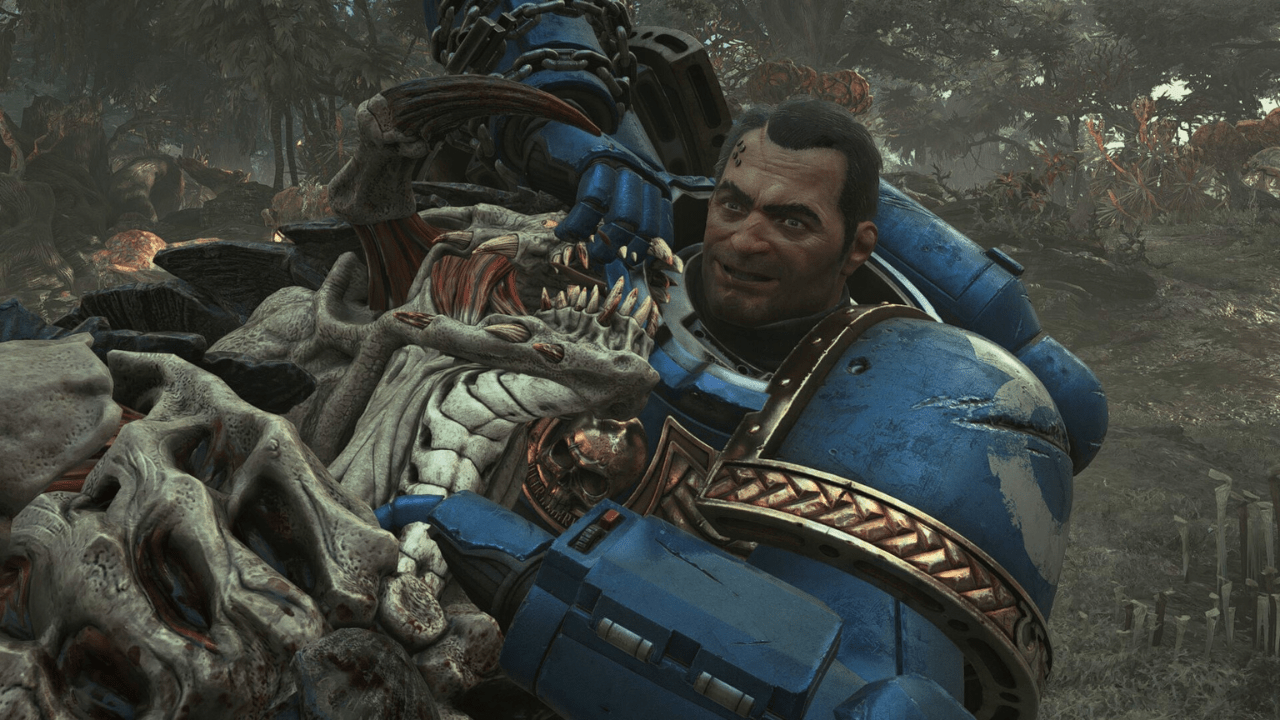
A screenshot from Warhammer 40,000: Space Marine 2 (2024), Focus Entertainment
In several reported cases, creators say MarkScan failed to specify what elements of their videos were allegedly infringing—audio, visuals, or text—simply asserting ownership over the entire work.
Whether MarkScan is acting with Games Workshop’s authorization or not, the lack of transparency has created widespread distrust.
Why This Matters Beyond Warhammer
While the current focus is on Warhammer YouTube Channels, the implications are much broader. If third-party enforcement firms can selectively target fan creators without publicly demonstrated authority—and platforms enforce those claims automatically—then any fandom-driven content ecosystem is vulnerable.

A screenshot from Warhammer 40,000: Space Marine 2 (2024), Focus Entertainment
Fan creativity has long been a cornerstone of Warhammer’s popularity, helping sustain interest in the tabletop game, novels, and expanded universe. Watching that ecosystem get kneecapped by opaque enforcement tactics sends a chilling message to creators across all genres.
Until YouTube requires verifiable proof of authorization from third-party enforcers—or until Games Workshop publicly clarifies MarkScan’s role—Warhammer creators remain exposed to a system that can erase their work first and ask questions later.
For now, the clock is ticking for many online creators.
