


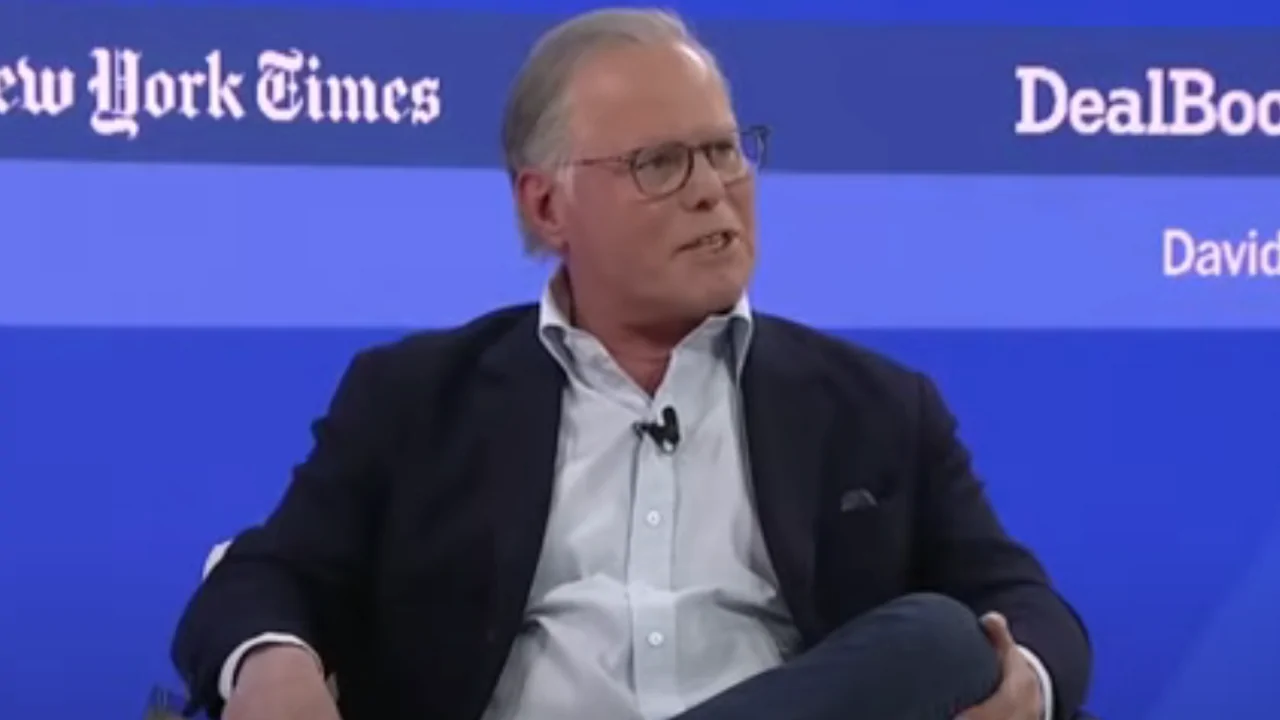
The long-discussed transition of Warner Bros. Discovery into two separate companies — and the sale of its studio and streaming division to Netflix — moved one step closer to reality this afternoon. During a global Warner Bros. Town Hall, executives walked employees through why the company chose to sell to Netflix, what comes next, and how the media landscape arrived at a moment no one would have believed possible even two years ago.
For a company that once represented one of Hollywood’s most storied empires, this Town Hall marked a historic turning point.
A Deal Born Out of Intense Corporate Pressure
According to leadership, the past several months have been filled with nonstop proposals, evaluations, and industry speculation. Warner Bros. Discovery entered the year planning a straightforward corporate split: one company built around global news, sports, and networks; the other built on Warner Bros. studios, HBO, and the Max streaming service.
A graphic showing the Netflix and Warner Bros. Logos – Netflix
That plan was disrupted the moment outside buyers — including Paramount — began approaching WBD about purchasing the entire enterprise. As interest escalated, the board was legally obligated to consider all options, triggering a competitive bidding process.
When the dust settled, WBD leadership determined that selling the studio and streaming division to Netflix would generate the highest shareholder value and provide the most stable long-term future for the creative teams behind Warner Bros., HBO, and WB Television.
Why Netflix Was Chosen
Executives emphasized several strategic reasons for choosing Netflix:
-
Unmatched global distribution: Netflix can deliver Warner Bros. content to more countries and more households than any platform in existence.
-
Minimal overlap: Claimed that Warner Bros. remains one of the world’s most prolific creators of scripted entertainment, while Netflix is the largest global distributor with the strongest streaming technology.
-
IP potential: Netflix gains access to massive franchises — including Harry Potter, Game of Thrones, Lord of the Rings, and DC properties — while Warner Bros. gains a platform that can elevate those brands.
-
Commitment to theatrical: Netflix intends to run a full theatrical slate, now with the support of a complete movie studio infrastructure.
-
HBO Max survives: Subscribers who want HBO Max will still have it, even as integration options expand for customers who also use Netflix.
In short, leadership believes the union creates a content powerhouse unrivaled in scale.
Discovery Global Moves Forward as a New Company
The original corporate split is still happening — just in a modified form.
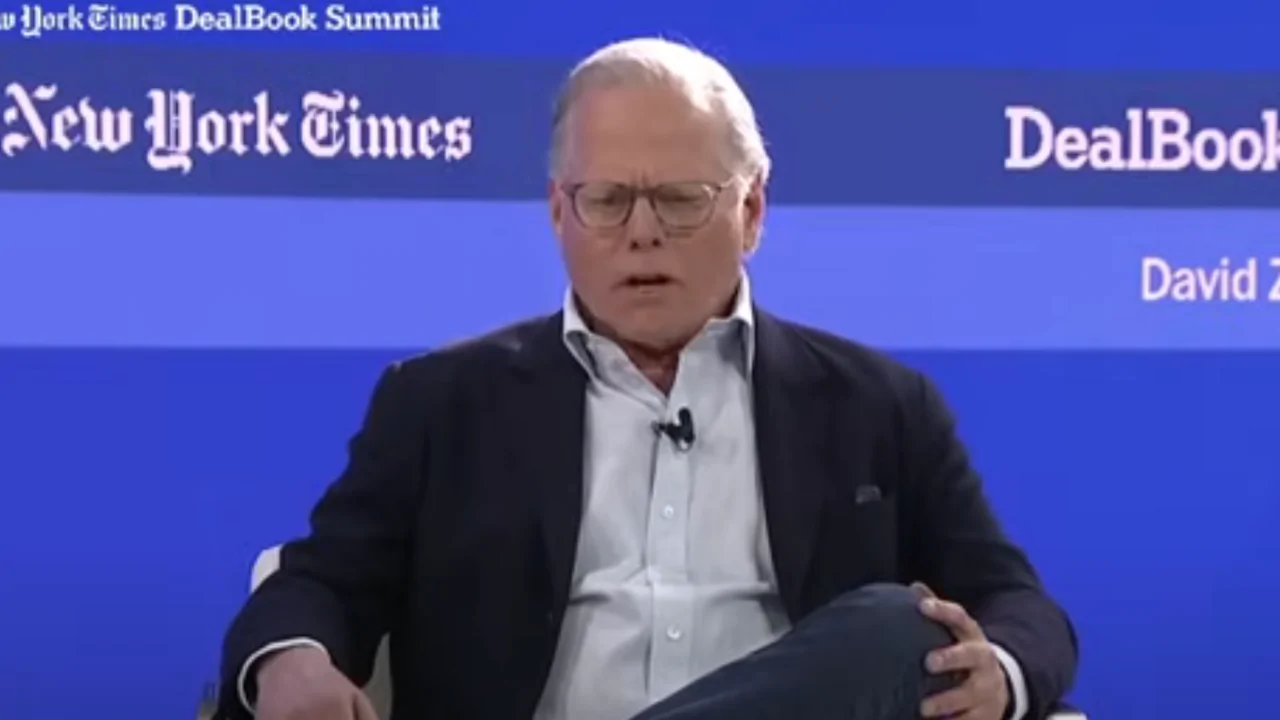
WBD CEO David Zaslav Speaks at a New York Times event – YouTube, New York Times Events
Later next year, WBD’s news, sports, and network assets (including CNN and major international channels) will spin off into an independent company known as Discovery Global, led by longtime CFO Gunnar Wiedenfels. Roughly half of WBD employees are expected to move into this newly formed business.
Executives described Discovery Global as a financially solid, content-rich operation with strong potential for growth and reinvention.
Regulatory Reality: This Will Take Time
The timeline for closing the sale is estimated at 12 to 18 months, though leaders acknowledged it could be longer. Because both Netflix and WBD operate worldwide, the merger must pass through multiple regulatory bodies across numerous countries.

U.S. President Donald Trump sits for an interview with ABC News – YouTube, ABC News
READ: Warner Bros Discovery Sale to Netflix May Be About Blocking CNN from Paramount Skydance
Netflix has agreed to pay a $5.8 billion break fee if the deal fails due to regulatory blocks, underscoring its confidence.
Until approvals are complete:
-
Warner Bros. Discovery and Netflix must operate as completely separate companies.
-
Employees must avoid discussing strategy with Netflix personnel.
-
No public statements, social media posts, or commentary may occur without legal approval.
-
All business units must continue operating as usual.
Essentially, nothing changes day-to-day until regulators give the green light.
What It Means for Employees
Leadership was clear:
-
No immediate job changes.
-
No reporting-line adjustments.
-
No alterations to compensation or benefits at this stage.
Internal FAQs are being finalized to address concerns about equity, structure, and transitional procedures. Additional town halls will be held next week so employees can ask questions directly.
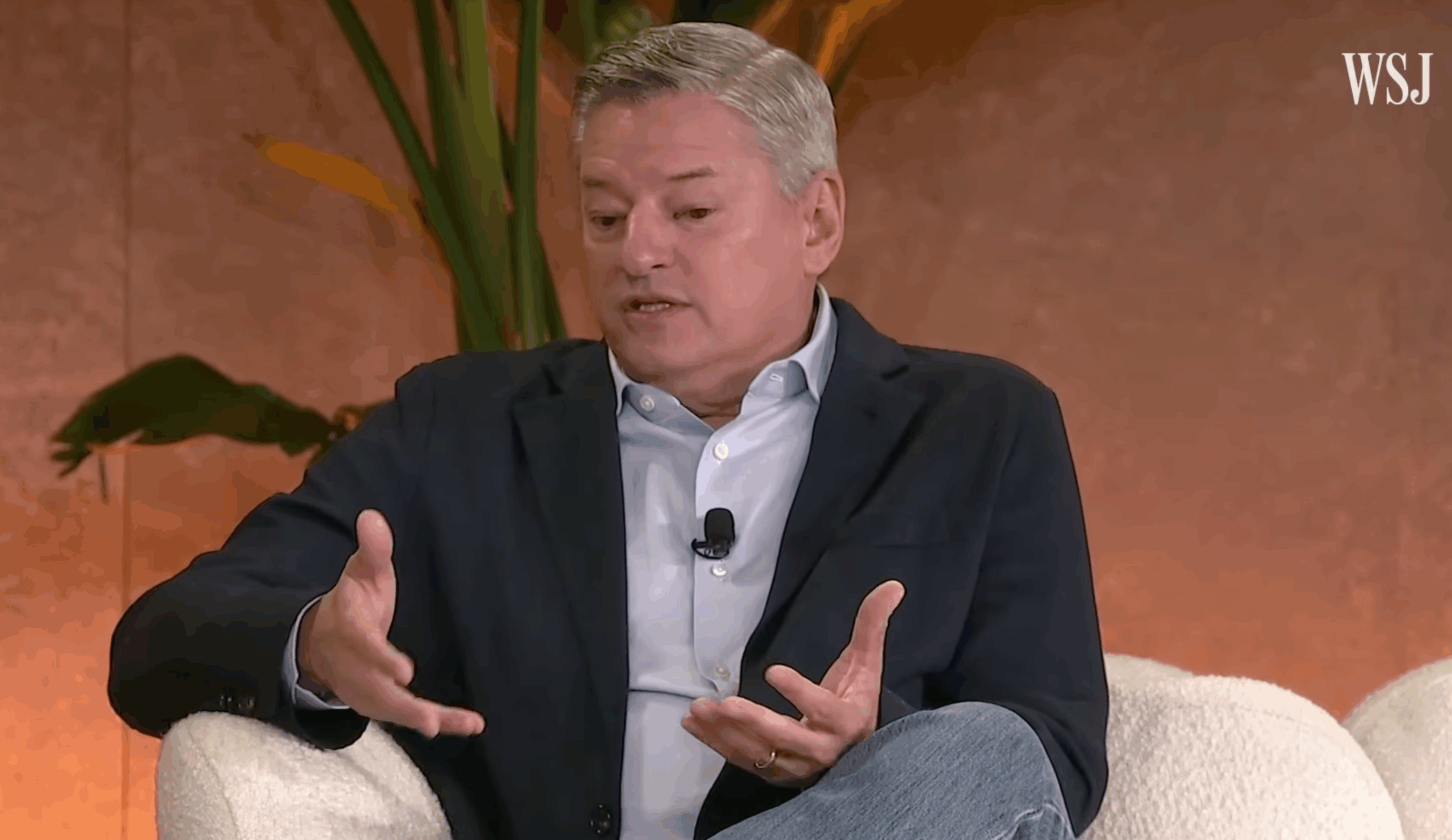
Netflix Co-CEO Ted Sarandos – YouTube, WSJ News
Executives acknowledged that the news brings mixed emotions — optimism, anxiety, fatigue, and uncertainty. Still, the message was that WBD intends to keep teams informed and prioritize stability during the long transition.
A New Era for a Legendary Studio
The Town Hall closed on a reflective note. Leadership praised the workforce for steering the company through years of industry upheaval, insisting that the creative and operational teams are the reason multiple bidders pursued the company in the first place.
If the sale proceeds, the Warner Bros. studio and HBO content machine will join forces with Netflix’s global platform — potentially forming one of the most influential entertainment ecosystems in the world.
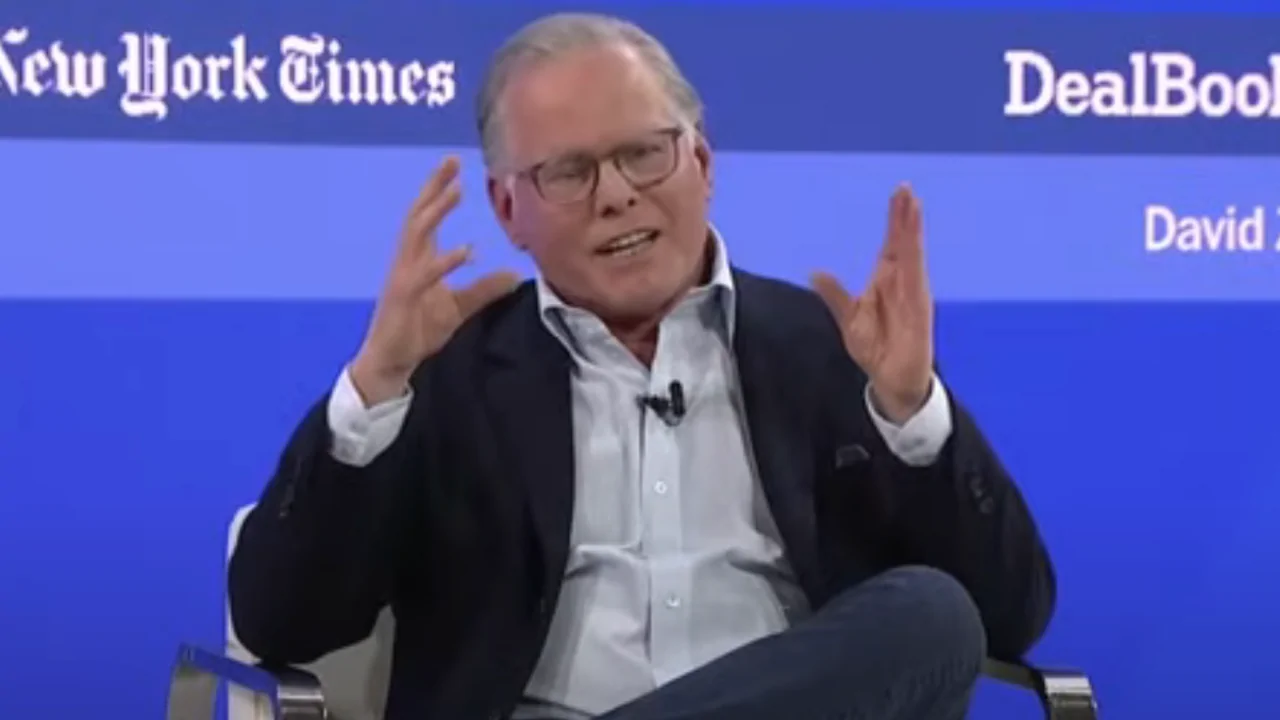
WBD CEO David Zaslav Speaks at a New York Times event – YouTube, New York Times Events
And if regulators step in? WBD will continue forward as originally planned, newly fortified with a massive financial buffer.
Either way, Hollywood is heading into territory unseen in its century-long history. The Warner Bros. Netflix Town Hall made one thing unmistakably clear: the next 18 months will define the future of two of the biggest names in entertainment — and the entire industry may be reshaped along with them.
What do you think about this Warner Bros. Netflix Town Hall meeting? Sound off in the comments and let us know!
