


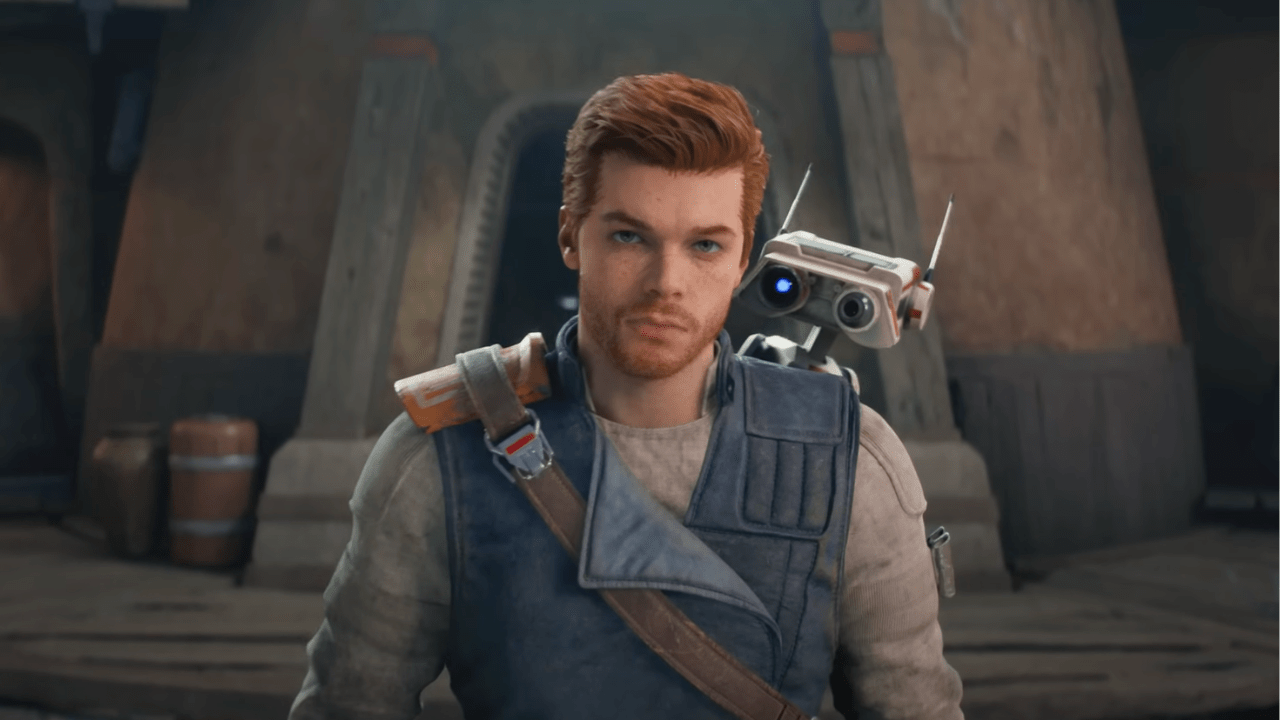
Remember when EA was widely regarded as the worst game company and publisher in the world?
Their reputation was built on scummy practices, pay-to-win loot box controversies, and a history of destroying well-known game studios—either by shutting them down or blaming gamers for their poorly made games. Who could forget the infamous “don’t like it, don’t buy it” comment from EA? It seemed like every week brought another news story exposing EA’s questionable behavior.
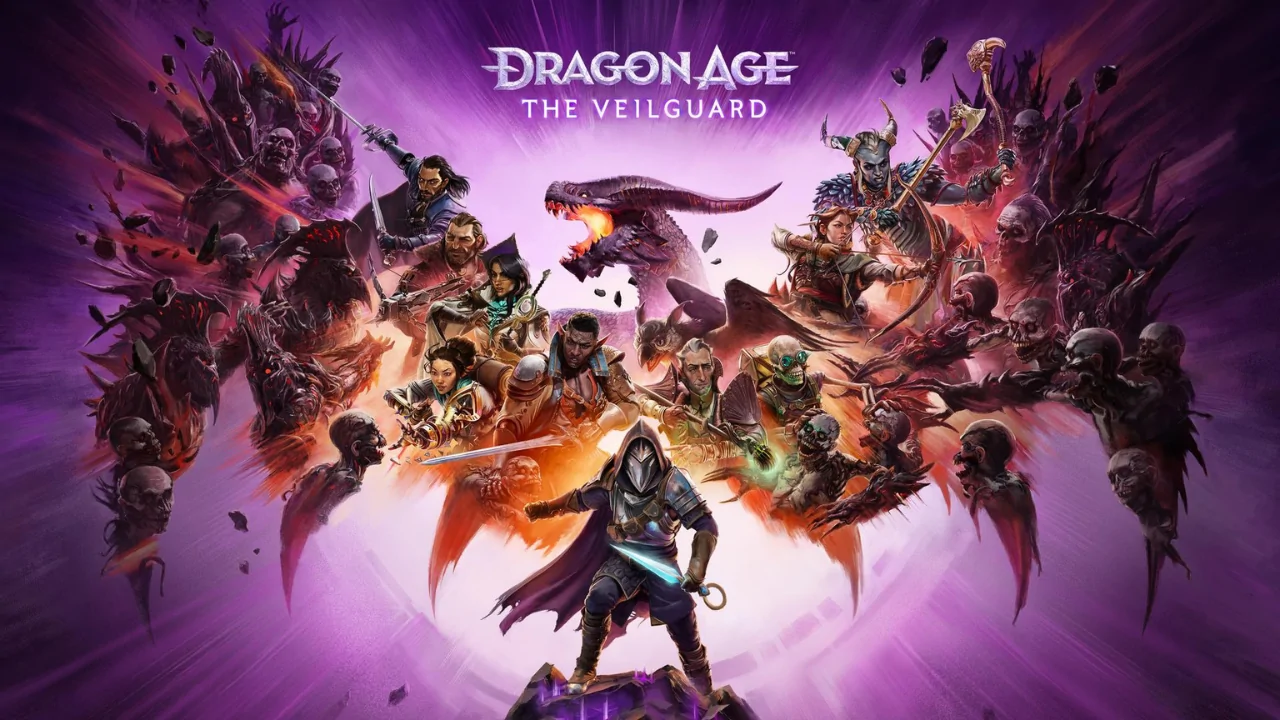
Key art for Dragon Age: The Veilguard (2024), BioWare
READ: Marvel Rivals Reaches Ten Million Players Worldwide and Keeps Momentum Due to Awesome Gameplay
But lately, it feels different. We don’t hear nearly as much about EA being the villain of the gaming industry anymore. What happened to the government hearings and the countries trying to label their loot box practices as gambling? And what about their absurdly named “well-intentioned” surprise mechanics? Believe it or not, those lawsuits and hearings are still happening—but there’s one key difference: EA isn’t dominating the headlines like it used to.
Why is that?
A Quiet Launch: The Unassuming Birth of ‘Jedi: Fallen Order’
In 2018, during the now-defunct E3 event, a little-known game was announced in the most unassuming way imaginable. The CEO of Respawn Entertainment, a well-liked and respected game studio owned by EA, casually revealed the title Star Wars Jedi: Fallen Order while seated in the audience during EA Play.
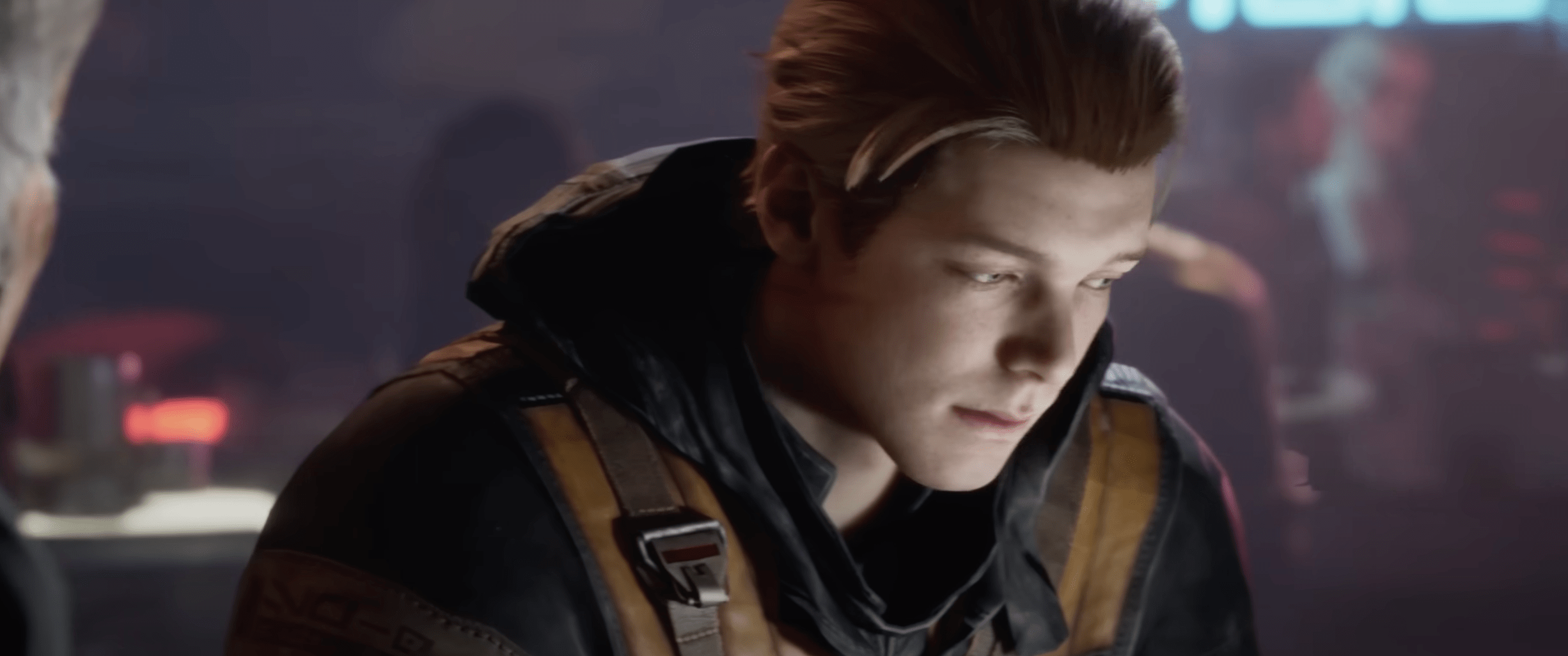
Cal Kestis in Star Wars Jedi: Fallen Order
– YouTube, EA Star Wars
No gameplay was shown, no music played, no flashy logo was displayed—just a simple mention of the title. The crowd and even the host seemed indifferent, brushing it off as a mere footnote in EA’s lineup.
Unlike EA’s flagship franchises—particularly their golden goose FIFA, infamous for its gambling mechanics, child-exploiting microtransactions, and pay-to-win practices—Jedi: Fallen Order wasn’t hyped or heavily marketed. Even compared to Star Wars Battlefront 2, another EA-published Star Wars title (notorious for being riddled with the aforementioned “gambling” and microtransaction controversies), Jedi: Fallen Order seemed to have no real push behind it.
And honestly, who could blame EA for being lukewarm about it? This was a single-player game with no microtransactions, no pay-to-win mechanics, and no always-online requirements. It didn’t fit the mold of EA’s high-priority, profit-churning projects. At best, it appeared to be another afterthought in EA’s catalog.
But then something unexpected happened—it was released.
A Surprise Hit? EA’s Accidental Goodwill
In November 2019, Star Wars Jedi: Fallen Order launched—and it was good?
Wait, what!?
Yes, Jedi: Fallen Order surprised everyone. The game was well-received by both gamers and critics, becoming a genuine hit. The gameplay was engaging, the story ranged from decent to good, and Cameron Monaghan’s performance as Cal Kestis stood out.
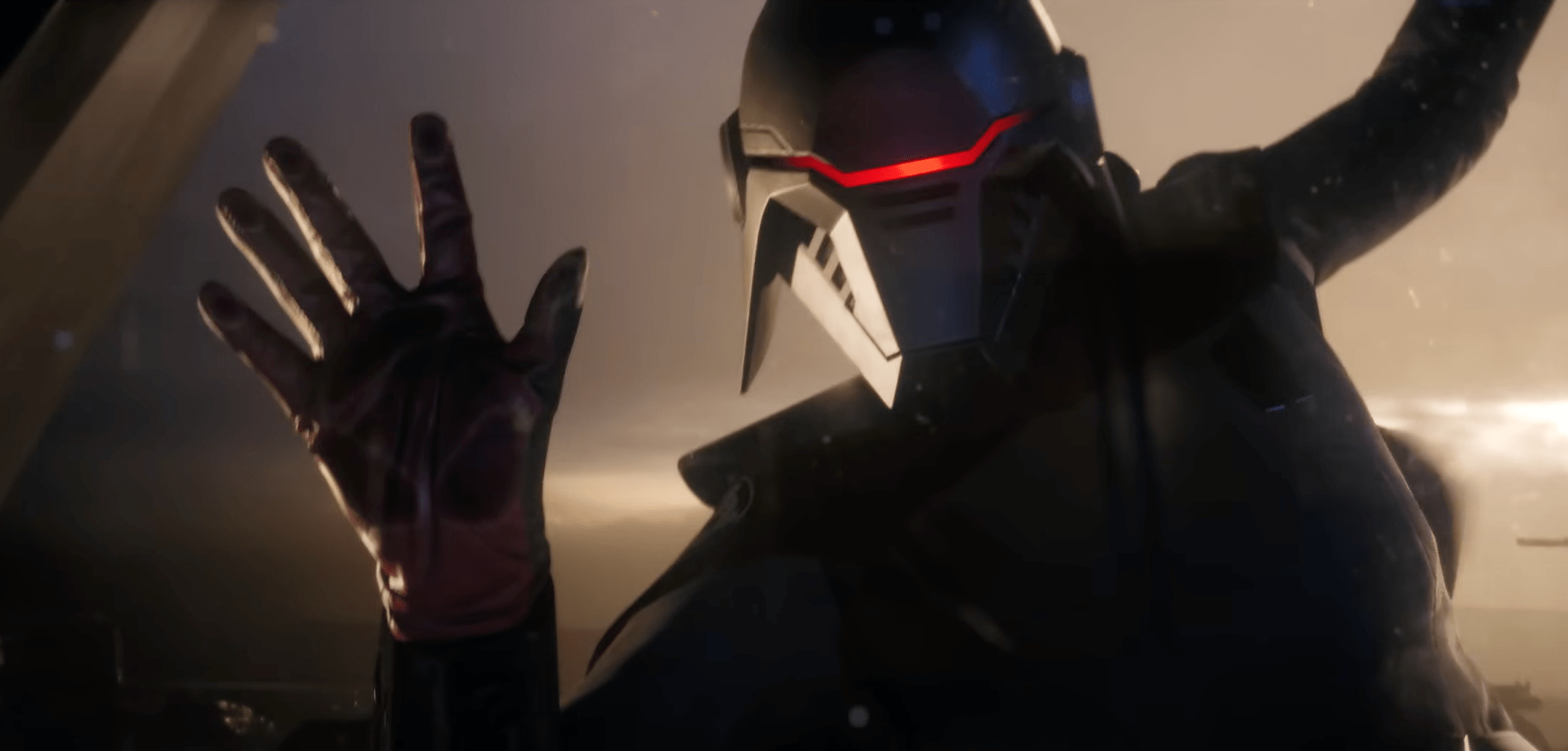
The Second Sister, An Inquisitor in Star Wars Jedi: Fallen Order – YouTube, EA Star Wars
READ: Ubisoft Buyout Stalling as Guillemot Family Fights to Maintain Control
And it was published and funded by EA?
Gamers were understandably puzzled—a good game from EA? But it wasn’t just the gaming community that was surprised—EA itself was, too. Not in the sense of “how was this game even made,” but more like, “wait… gamers actually like something we made?”
For once, the headlines weren’t about EA being evil or ruining the gaming industry. Instead, there was praise. And while gamers saw this as a refreshing change, EA executives saw something else: opportunity.
Reputation Over Revenue: EA’s Strategy Shift
The game was profitable, though not in a way that truly mattered to EA’s bottom line.
The revenue it generated was a mere drop in the ocean compared to the torrent of cash flowing in from FIFA and their other sports franchises. What made it stand out, however, was the positive impact it had on EA’s reputation.

A screenshot from EA Sports FC 24 (2023), EA Canada & EA Romania
For once, EA wasn’t the industry’s biggest villain. The reviews, the news articles, the community chatter—it all painted EA in a rare, positive light. And somewhere, amidst the piles of money FIFA had earned, an idea was born.
I imagine the conversation went something like this:
“What if,” said one EA executive while lounging on his fifth favorite pile of money, “what if we made more of these games?”
Naturally, some executives recoiled at the idea. After all, the profits from Fallen Order barely covered their lunch expenses. But this particular executive pressed on: “No, you don’t understand. What if we make these games… for the good reputation?”
Building Momentum: The Success of ‘Jedi: Survivor’
And just like that, EA’s marketing strategy shifted.
A sequel, Star Wars Jedi: Survivor, was greenlit almost immediately. This time, however, the project came with a bigger budget, a proper marketing push, and one very clear directive from EA:
“Be bigger and better—but don’t ‘fix’ what isn’t broken.”
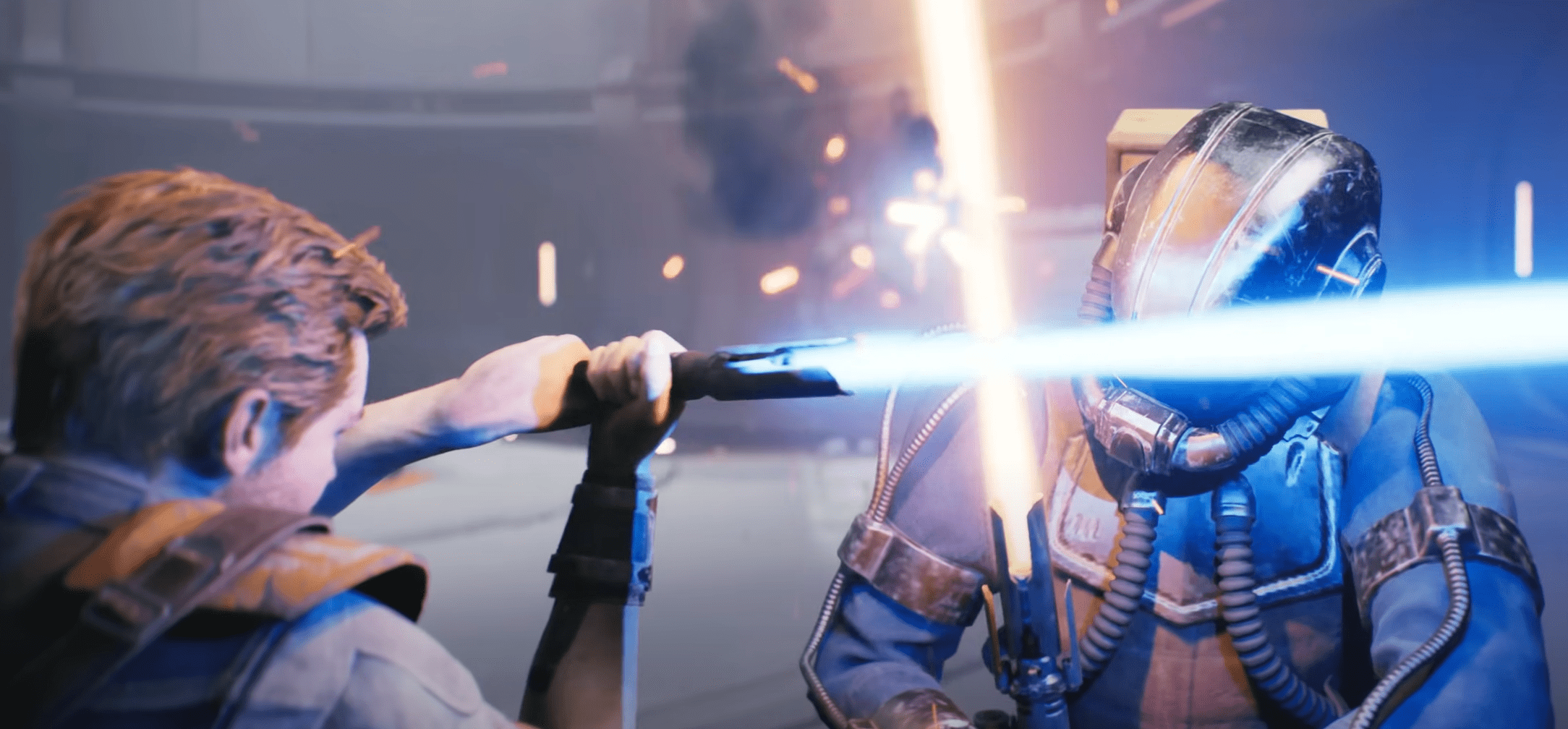
A Lightsaber fight in Star Wars Jedi: Survivor – YouTube, EA Star Wars
READ: Games 4Diversity Tries to Silence YouTubers for Exposing Sweet Baby Connections
When Jedi: Survivor launched in 2023, it cemented what Fallen Order had started. It was another good—if not great—EA game, and it boosted the company’s reputation even further.
Suddenly, the gaming industry wasn’t focused on EA as the embodiment of corporate greed anymore. Instead, other companies like Ubisoft and Embracer Group had taken center stage as the industry’s “bad guys,” much to EA’s delight.
But that’s a story for another time…
For EA, this shift wasn’t just about staying out of the spotlight—it was strategic. By improving its public image, the company successfully diverted attention away from its gambling ethics in gaming, reducing scrutiny from both the public and politicians. And that, more than anything else, was the real goal.
The ‘Veilguard’ Gamble
So, why not make more of these games?
Clearly, EA has the intellectual property (IP) to create more single-player, story-driven titles that gamers genuinely enjoy. Leveraging beloved franchises like Mass Effect and Dragon Age seemed like a logical step to keep the angry mob of gamers at bay.
With BioWare at the helm, EA set its sights on delivering another reputation-boosting hit with Dragon Age: Dreadwolf, later rebranded as Dragon Age: The Veilguard.
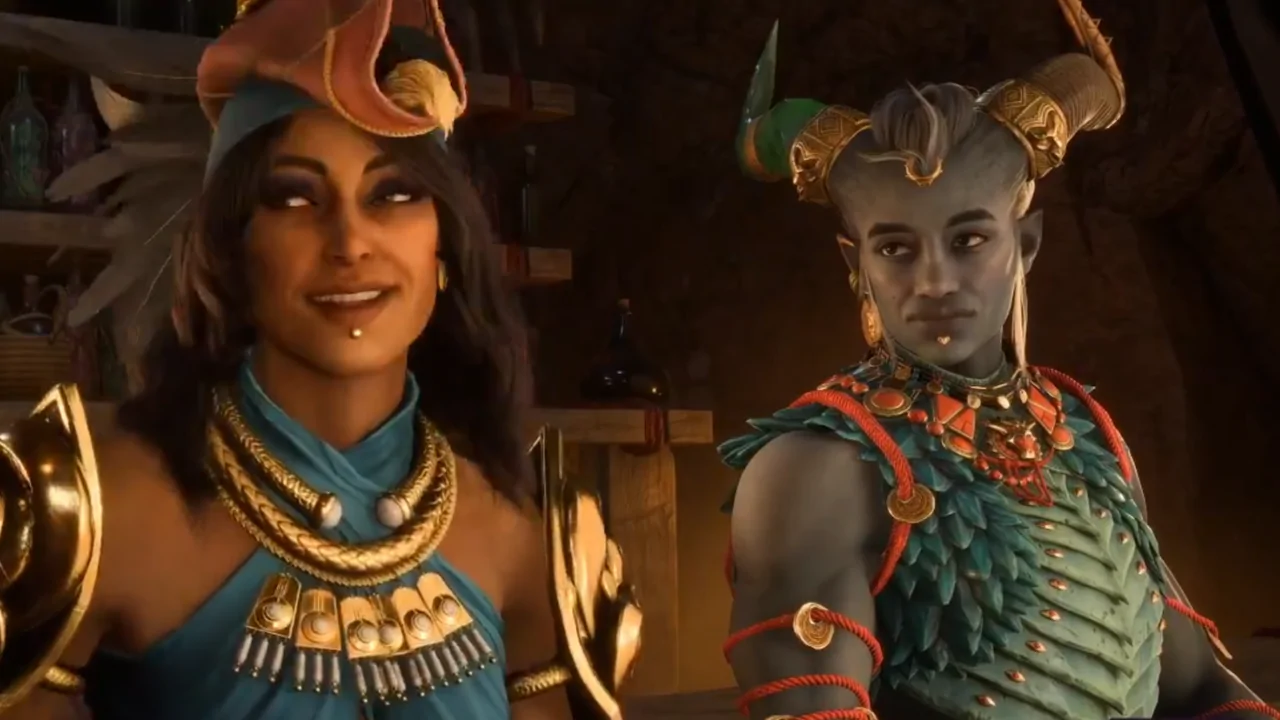
A screenshot from Dragon Age: The Veilguard (2024), BioWare
However, there was already trouble brewing.
It was widely known that The Veilguard had endured multiple rewrites and production restarts over the years—repeatedly starting and stopping, only to start again. Despite this, EA believed that if BioWare could deliver a strong title, it didn’t even need to be profitable.
The most critical objective wasn’t financial success; it was all about improving EA’s public image. In fact, the budget for The Veilguard had reportedly ballooned to $300 million due to these development issues, making it highly unlikely that the game would recoup its costs.
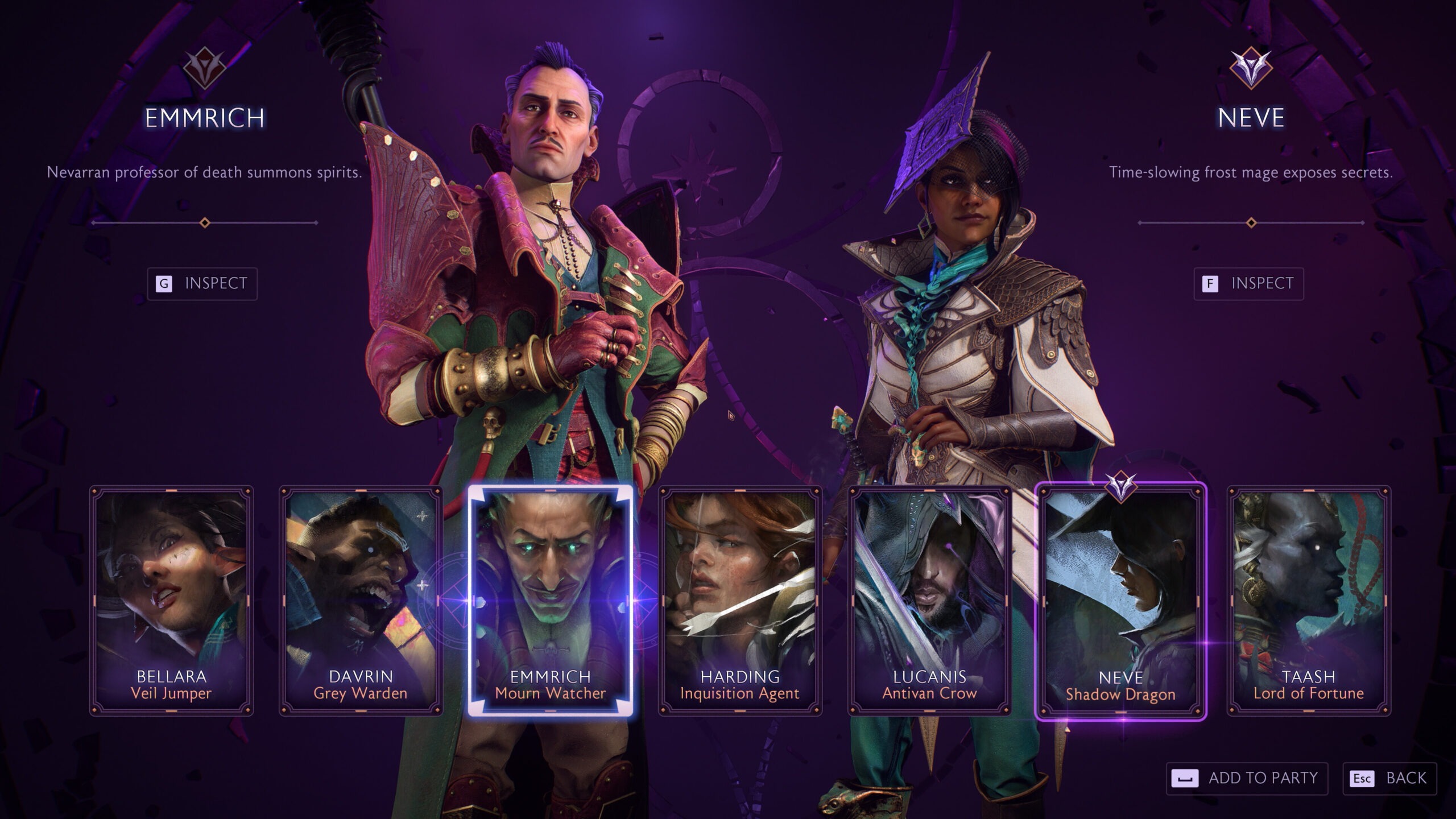
A screenshot from Dragon Age: The Veilguard (2024), BioWare
But EA was willing to absorb the loss—as long as it made the company look good.
Unfortunately, that didn’t happen.
Silence Speaks Volumes: The Fallout of ‘The Veilguard’
EA saw the writing on the wall immediately after the Dragon Age: The Veilguard’s official trailer was released and panned by gamers.
From that moment, EA began scaling back its marketing efforts, treading carefully with the game’s release strategy. It even made the decision to release the game Denuvo-free, an unusual move for EA, in an effort to counteract the overwhelmingly negative reception of the trailers. Additionally, EA quietly decided there would be no DLC for the game, possibly making that call even before its release.
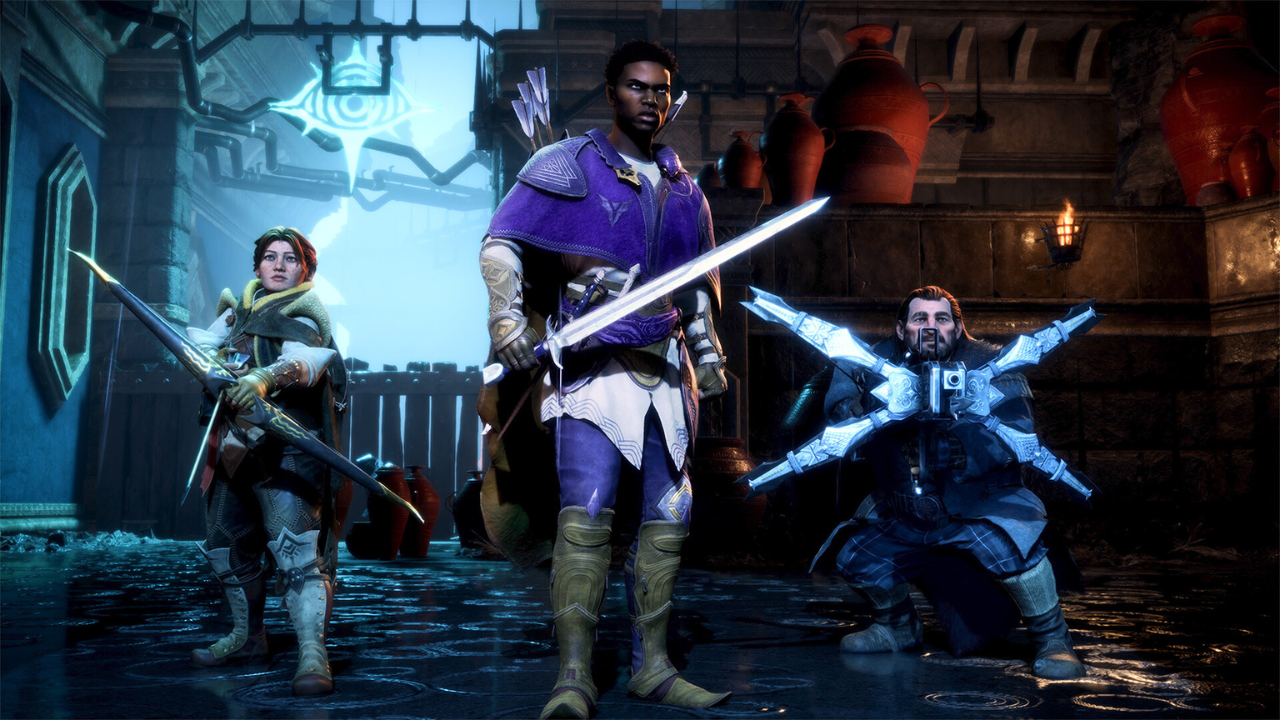
A screenshot from Dragon Age: The Veilguard (2024), BioWare
In a desperate attempt to salvage the game’s reception, EA allegedly limited review codes to select outlets, with speculation that some reviews were “encouraged” to be more favorable.
But even this strategy didn’t work.
Gamers didn’t connect with The Veilguard, and the title failed to resonate with its intended audience.

A screenshot from Dragon Age: The Veilguard (2024), BioWare
EA’s damage control didn’t stop there. Having learned from Sony’s Concord debacle—where Firewalk Studios developers lashed out at gamers and blamed them for the game’s failure—EA was determined not to repeat the same mistake.
BioWare employees were reportedly kept in line, with strict instructions not to criticize players publicly.
And why? Because EA didn’t want to risk further damaging its reputation.

A screenshot from Dragon Age: The Veilguard (2024), BioWare
READ: Leaked Obsidian Slack Messages Expose Toxic Environment at ‘Avowed’ Developer
Moreover, EA has remained conspicuously silent about The Veilguard’s sales figures, another telling sign of its underwhelming performance.
As reported, the head of the Dragon Age team has refused to reveal the game’s sales numbers, stating that sales weren’t as important as achieving positive reviews. However, leaks from insiders have revealed its moved less than 1.5 million copies.
This speaks volumes about EA’s current strategy: it’s not about making money from games like The Veilguard. It’s about buying goodwill and repairing their image.
Unfortunately for EA, this time, it didn’t work.
A Temporary Redemption or a New Beginning?
Despite everything, it’s clear that a change has happened at EA.
Its new strategy of marketing itself through single-player games that seemingly cater to what gamers actually want has successfully pulled the company out of the “evil corporation of the week” news cycle. The days of EA dominating headlines for exploitative practices and scummy decision-making have, for now, faded into the background.

A screenshot from Mass Effect Legendary Edition (2021), BioWare
Why?
So it can keep milking billions from its still basically gambling franchises without anyone shining too bright a spotlight on the organization.
Is it working? Well… yes.
Is it healthy? That’s anyone’s guess.
EA has successfully diverted the gaming community’s ire, stepping out of the industry’s firing line for now. But whether this new strategy represents a lasting transformation or just a temporary smokescreen remains to be seen. In the end, all we can do is sit back and wait to see if EA delivers another crowd-pleasing game—or if they trip over themselves and remind us all why gamers once hated them so much.
UP NEXT: ‘Dragon Age: The Veilguard’ Sales Far Lower Than Reported: Insider Sets Record Straight
