


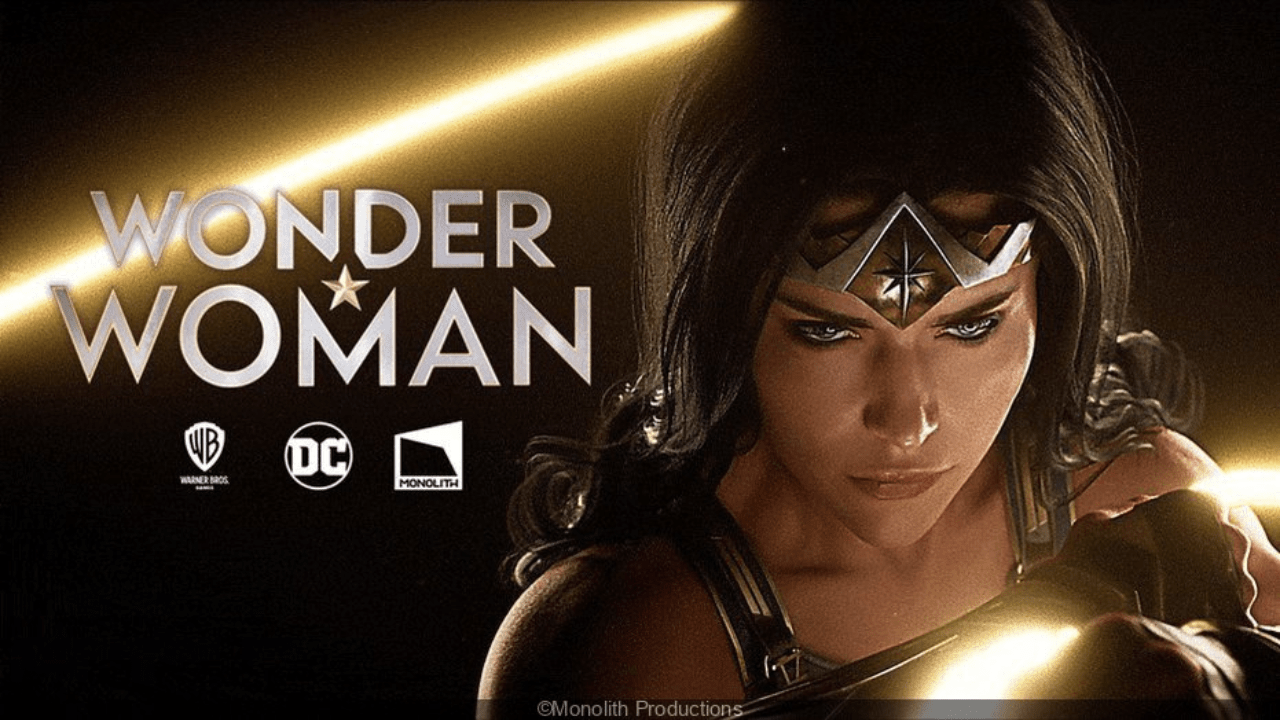
Warner Bros. Games has officially canceled Monolith Productions’ highly anticipated Wonder Woman game and shuttered the iconic studio responsible for the acclaimed Middle-earth: Shadow of Mordor series. This decision comes amid ongoing fallout from SSKTJL’s catastrophic failure—a debacle tied to Sweet Baby Inc. (SBI), whose controversial influence has left a trail of industry damage.
The studio is also closing down Player First Games (MultiVersus) and WB Games San Diego in a massive shakeup of its gaming division.
Sweet Baby Inc’s Role in WB Games’ Collapse
Sweet Baby Inc., a narrative consulting company, has become infamous for pushing divisive creative directions into gaming projects, often at the expense of player engagement and quality storytelling. SSKTJL—the ill-fated live-service title that bled Warner Bros. of $200 million—was heavily influenced by SBI, leading to a game that alienated its fanbase and tarnished Rocksteady’s reputation.

Sweet Baby Inc. credits for SSKTJL
This isn’t SBI’s first brush with controversy. Reflector Entertainment had to restructure following the failure of Unknown 9: Awakening, which featured SBI’s co-founder and CEO Kim Belair as the story architect. Similarly, Square Enix was forced to overhaul its U.S. and European divisions after their own missteps involving SBI. Now, Warner Bros. Games finds itself in the same sinking boat, with solid studios like Monolith paying the price.
Wonder Woman—What We Lost
The cancellation of Wonder Woman is particularly devastating, given the promise the game held. Monolith Productions, known for the groundbreaking Nemesis System from their Middle-earth games, was set to bring the same dynamic storytelling to the DC Universe. The Nemesis System—celebrated for creating unique enemy hierarchies and rivalries—was expected to breathe life into Diana’s world, potentially placing iconic villains like Ares, Cheetah, and Circe into procedurally generated hierarchies.
Wonder Woman was shaping up to be an open-world action-adventure game where players would step into Diana’s iconic boots, wielding her Lasso of Truth and engaging in deep, strategic combat. Monolith planned to leverage the Nemesis System to make each encounter feel personal, adding layers of procedural storytelling that could have redefined how superhero games are experienced.
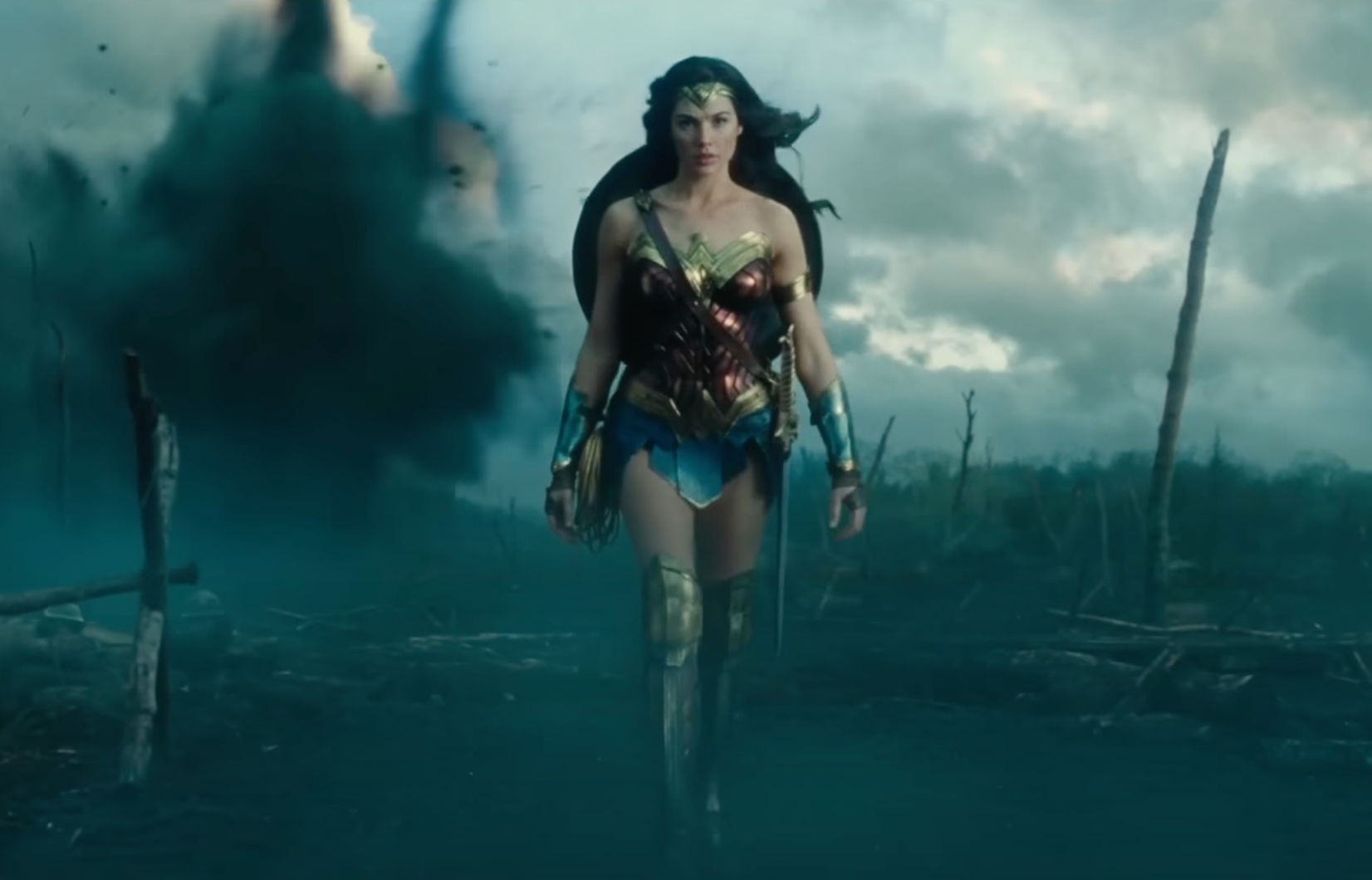
Wonder Woman crosses the No Man’s Land in Wonder Woman – YouTube, Movieclips
What’s truly insane about this entire situation is that the AAA gaming industry is desperate for female-driven games to succeed. However, projects like Forspoken, Star Wars: Outlaws, and others continue to fall flat on their faces. However, the Wonder Woman game was an actual opportunity to score big with a major female character that fans actually like.
Fans were excited about the possibilities—whether it was battling Villainy Incorporated, exploring Themyscira, or even flying the invisible jet. Monolith’s history of adapting beloved franchises gave hope that Wonder Woman could have been a definitive superhero experience.
Unfortunately, we’ll never know.
Monolith Shutters While Rocksteady Survives
Despite Monolith’s strong track record, WB Games chose to shut them down while Rocksteady—responsible for SSKTJL—remains operational and is rumored to be developing a new Batman game. It’s a slap in the face to fans who watched Rocksteady fumble SSKTJL with SBI’s heavy-handed involvement, leading to one of the most expensive missteps in gaming history.
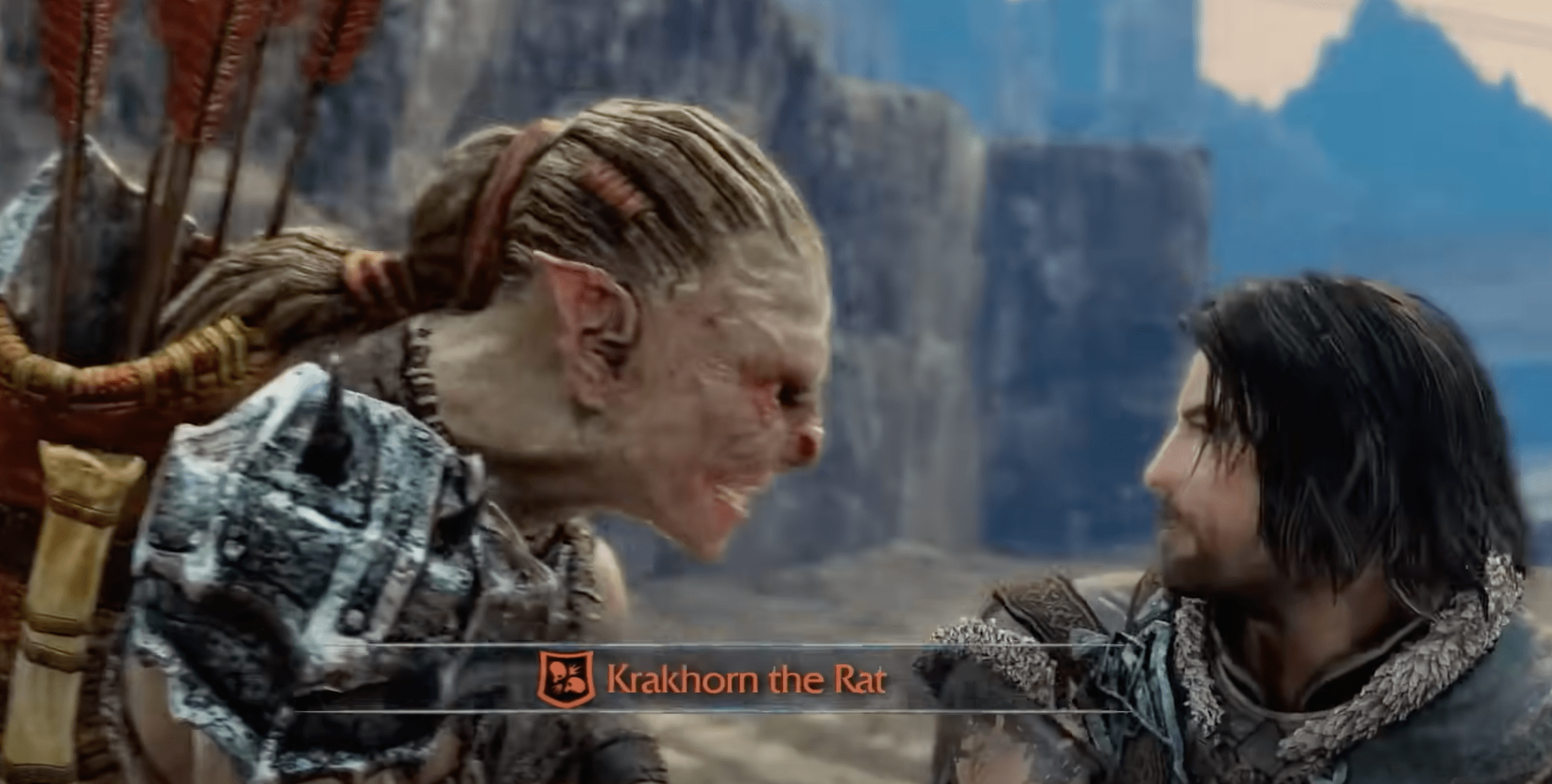
The Nemesis System in Middle Earth: Shadow of Mordor – YouTube, IGN
The closure of Monolith, alongside Player First Games and WB Games San Diego, highlights a troubling trend: solid studios with innovation and fan goodwill are shuttered, while those responsible for high-profile failures continue on. And, of course, Sweet Baby Inc. is rumored to have as many as 30 games in active development despite its series of well-documented failures.
WBD: A Company in Freefall
MultiVersus, Player First Games’ ambitious crossover fighter, was also shut down as part of WB Games’ restructuring, signaling the company’s retreat from risky live-service ventures. Meanwhile, David Haddad, head of WB Games, recently exited his role following the financial fallout from SSKTJL, though the official line painted it as a “strategic transition.”
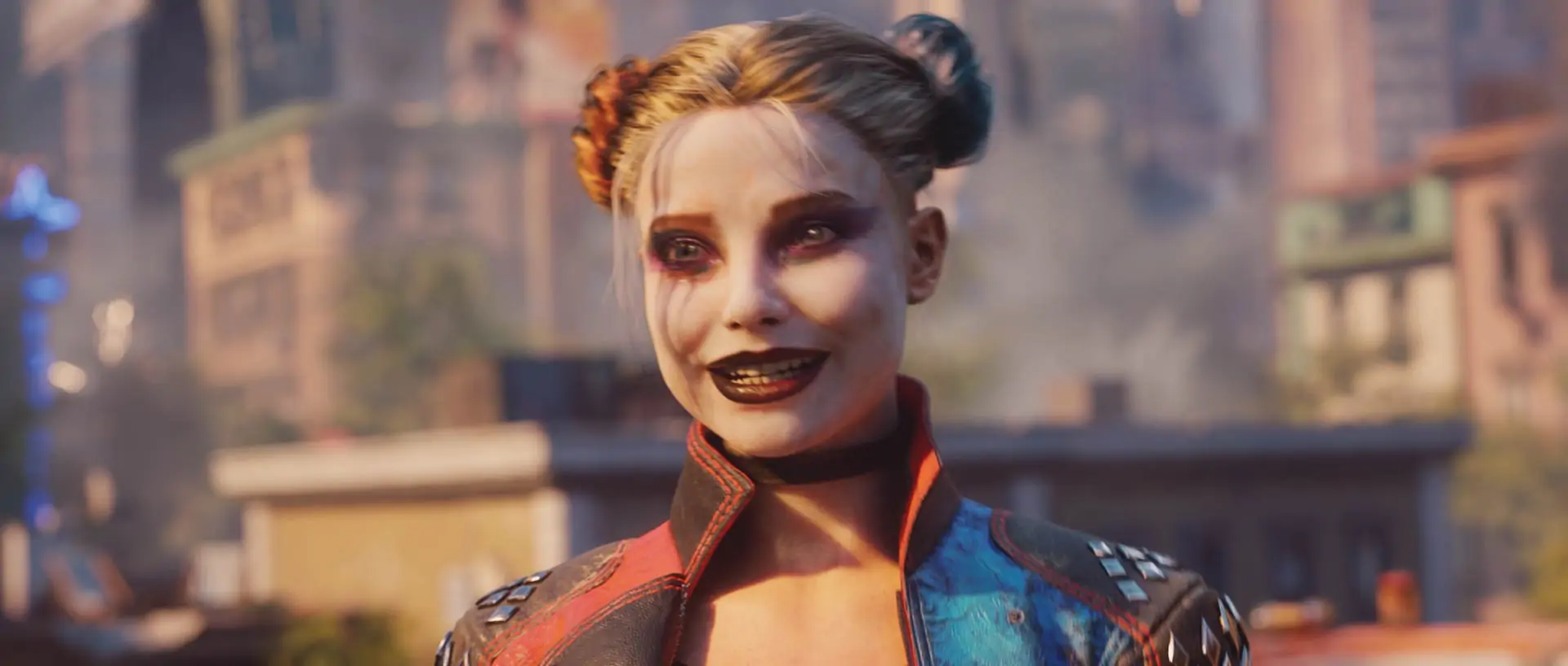
Harley Quinn in SSKTJL (2024), Rocksteady
Warner Bros. Discovery’s pivot to focus on core franchises like Harry Potter, Mortal Kombat, and Game of Thrones is a clear attempt to steady the ship. But canceling projects like the Wonder Woman game—which had the potential to offer something fresh and innovative—feels like the company is cutting off its most promising branches while clinging to tired, safer bets.
The loss of Monolith, a studio that revolutionized procedural storytelling with the Nemesis System, is a significant blow to gaming. Instead of doubling down on what made their past games special, WB Games seems intent on playing it safe, even if it means losing the creative minds that once defined the studio.
How do you feel about the Wonder Woman game being canceled? Sound off in the comments below and let us know!
