


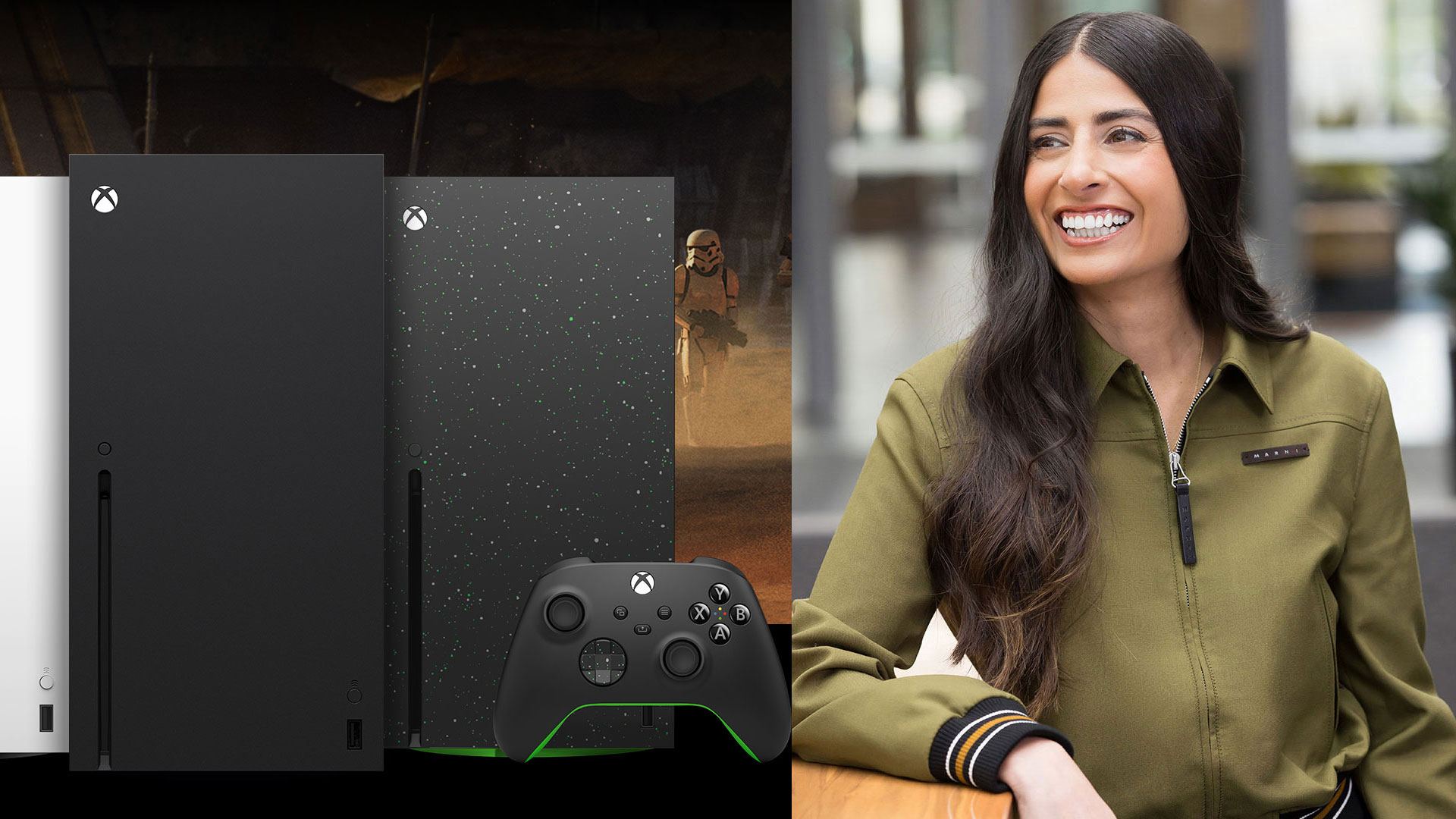
Xbox is a $23 billion-a-year gaming business backed by one of the richest corporations on Earth. It’s also apparently making shockingly little money. A revealing new report from The Wall Street Journal paints a brutal picture of the Xbox operation inherited by new CEO Asha Sharma, including declining revenue, disappointing Game Pass performance, and a profit margin that reportedly sits at just 3%.
For years, Microsoft has presented Xbox as an ecosystem stretching far beyond console hardware. It spent billions acquiring major publishers, pushed aggressively into subscription gaming, brought Xbox games to rival platforms, and repeatedly pitched Game Pass as a central component of the brand’s future.
The numbers reported by the Journal suggest that enormous scale hasn’t translated into a particularly healthy business.
Xbox Is Bringing In $23 Billion — At a 3% Margin
According to the Journal, Microsoft’s approximately 14,000-person gaming division generates around $23 billion in annual revenue.
That sounds impressive until you get to the next number.
Xbox’s profit margin is reportedly only 3%, while revenue is declining.
READ: ‘Matrix’ Director Lilly Wachowski Accuses ‘Harry Potter’ Fans of “Supporting My Eradication”
That means the problem facing Asha Sharma isn’t that nobody knows what Xbox is or that Microsoft lacks major intellectual property. This is a company that owns Halo, Minecraft, Forza, Gears of War, The Elder Scrolls, Fallout, Call of Duty, Diablo, World of Warcraft, Doom, and an enormous collection of other gaming properties following Microsoft’s acquisitions of Bethesda parent ZeniMax Media and Activision Blizzard.
The problem is turning all of that scale into a sufficiently profitable gaming operation.
Sharma reportedly wants Xbox’s profit margin to reach double digits during the current fiscal year, which would represent an enormous improvement from where the division currently stands.
And that helps explain why Xbox has undergone such dramatic changes since Sharma took over.
Game Pass Has Fallen Far Short of Microsoft’s Expectations
Perhaps the most damaging revelation involves Game Pass.
The Journal reports that Microsoft’s flagship gaming subscription service has “fallen far short of projections.”
That’s significant because Game Pass wasn’t treated as some experimental side business during the Phil Spencer era. Microsoft spent years positioning subscriptions as one of the pillars of Xbox’s future.
The Game Pass logo – Microsoft, XBOX
The company poured its first-party releases into Game Pass, expanded the service across devices, acquired massive publishers, and ultimately put franchises as valuable as Call of Duty into the subscription ecosystem.
Yet despite all that investment, a new report indicates the service isn’t delivering what Microsoft originally expected. Game Pass having millions of subscribers doesn’t automatically mean the strategy has performed according to Microsoft’s internal business targets.
If those projections were built into the enormous investments Microsoft made in gaming, missing them becomes a much bigger problem.
“Clarity Is Kindness”
Sharma doesn’t appear interested in hiding any of this from Xbox employees.
The Journal describes an executive who repeatedly discusses Xbox’s ugly financial numbers in meetings and internal communications while implementing layoffs, changing investment priorities, and reducing the number of games the company produces.
Her philosophy can be summarized in three words: “Clarity is kindness.”
The Journal reports that Sharma told employees during a recent Minecraft town hall that successful companies are comfortable discussing both victories and difficult realities.
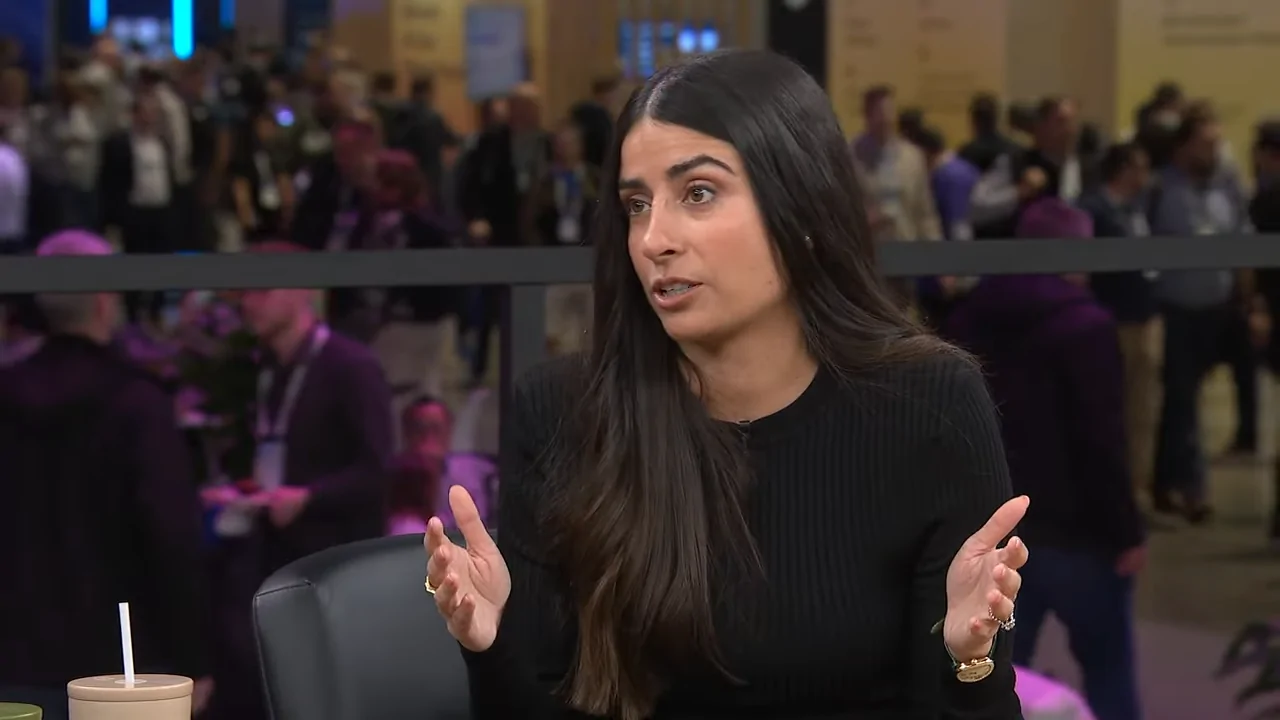
Asha Sharma at Microsoft Ignite 2024 – Microsoft Events, YouTube
READ: Astra Created a 120 FPS Version of Super Smash Bros. Melee for Mac OS in 6 Hours
It’s an ominous message considering what Xbox employees have already experienced.
Microsoft cut approximately 3,200 gaming jobs in July, according to the Journal, representing roughly 20% of Xbox’s workforce at the time. Sharma is also reducing the number of games being produced and concentrating resources on franchises Microsoft believes can generate meaningful growth.
In that context, “clarity is kindness” sounds considerably less like a motivational slogan and considerably more like a warning that the days of pretending everything is fine are over.
Sharma Inherited the Phil Spencer Era’s Bill
Sharma became Xbox CEO in February after spending years climbing through Microsoft’s executive ranks, but notably arrived at the job with no previous professional experience in the video game industry.
What she did inherit was the culmination of Microsoft’s enormous gaming expansion under longtime Xbox boss Phil Spencer.
Microsoft spent approximately $7.5 billion acquiring ZeniMax Media before completing its mammoth $68.7 billion Activision Blizzard acquisition in 2023.
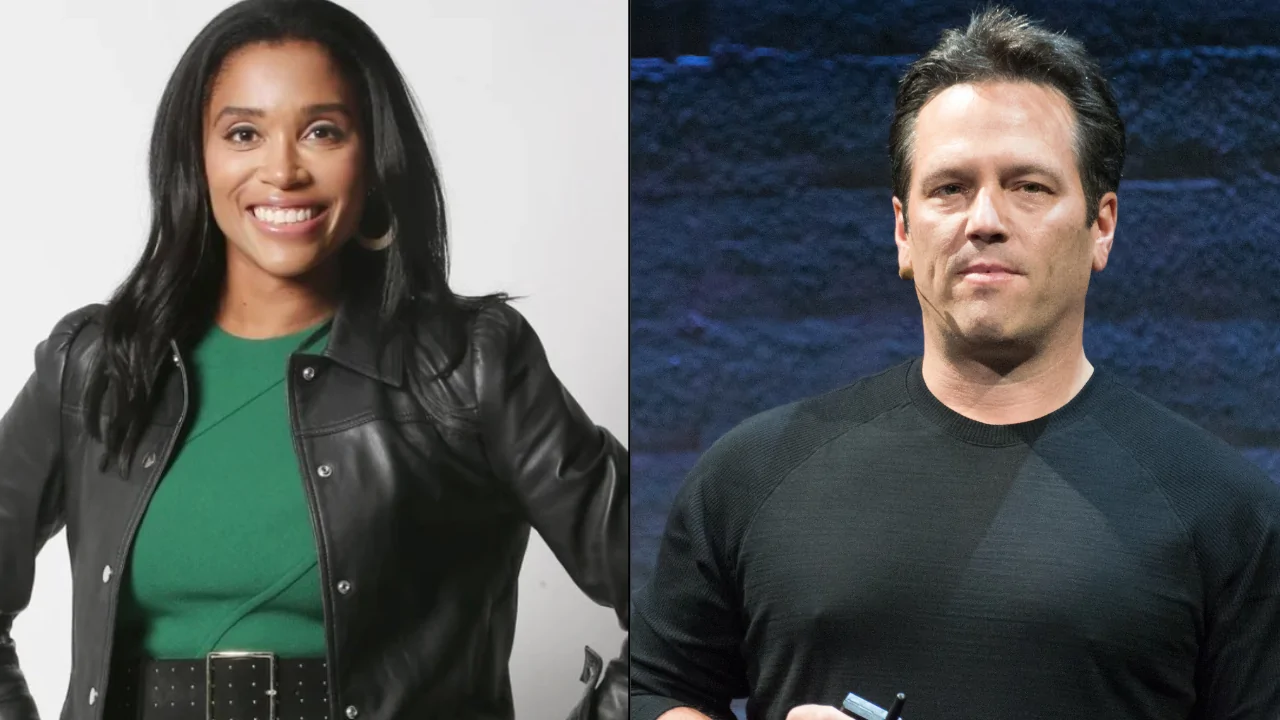
Sarah Bond and Phil Spencer – X, @Pirat_Nation; eVRydayVR, CC0, via Wikimedia Commons
Those deals gave Microsoft one of the most formidable collections of gaming properties in existence. But as Disney will tell you, owning valuable things and operating a healthy business aren’t necessarily the same thing.
A $23 billion operation running at a 3% margin while its flagship subscription product misses projections is not the picture of success Microsoft presumably envisioned after spending tens of billions of dollars building its gaming empire.
Sharma now appears to be imposing financial discipline on that empire.
Xbox Is Already Becoming a Very Different Company
The consequences are increasingly visible.
Sharma has reportedly narrowed Microsoft’s development priorities, with franchises including Halo and The Elder Scrolls receiving particular attention. Microsoft is also looking toward user-generated content in Minecraft as an opportunity to compete with enormously successful platforms such as Roblox.
At the same time, Xbox’s traditional identity as a console platform continues to change, and Sharma has already scored one highly visible victory over Microsoft’s biggest traditional rival.
Just days before the Journal published its report, Xbox and Kojima Productions announced an expanded partnership under which Microsoft will publish Hideo Kojima’s PHYSINT, a project previously associated with PlayStation.

The Xbox Series X Console – YouTube, Xbox
READ: Jimmy Kimmel Reportedly Faces Massive Budget Cut to Keep ABC Show Alive
Microsoft’s official announcement quoted Sharma saying Xbox was “honored” that Kojima had chosen the company to work with Kojima Productions on the game.
The partnership now extends beyond OD and PHYSINT into film and television.
The Journal went even further in describing what happened, characterizing Sharma as having recently “stole[n] one of Sony’s top developers” in Kojima.
Whatever one thinks of Sharma’s strategy, that’s an extraordinary coup for an Xbox division otherwise undergoing painful restructuring.
Xbox’s Size Was Hiding a Much Bigger Problem
The most remarkable part of the Journal’s report may simply be how clearly it separates Xbox’s size from Xbox’s financial health.
Microsoft Gaming isn’t some tiny operation struggling to find an audience. It generates approximately $23 billion in annual revenue and controls some of the biggest franchises in entertainment.
Yet revenue is reportedly declining. Game Pass has missed projections. Thousands of employees have been shown the door. The gaming portfolio is being reduced. And the entire operation is reportedly producing a profit margin of only around 3%.
Sharma didn’t create those problems. She inherited them.
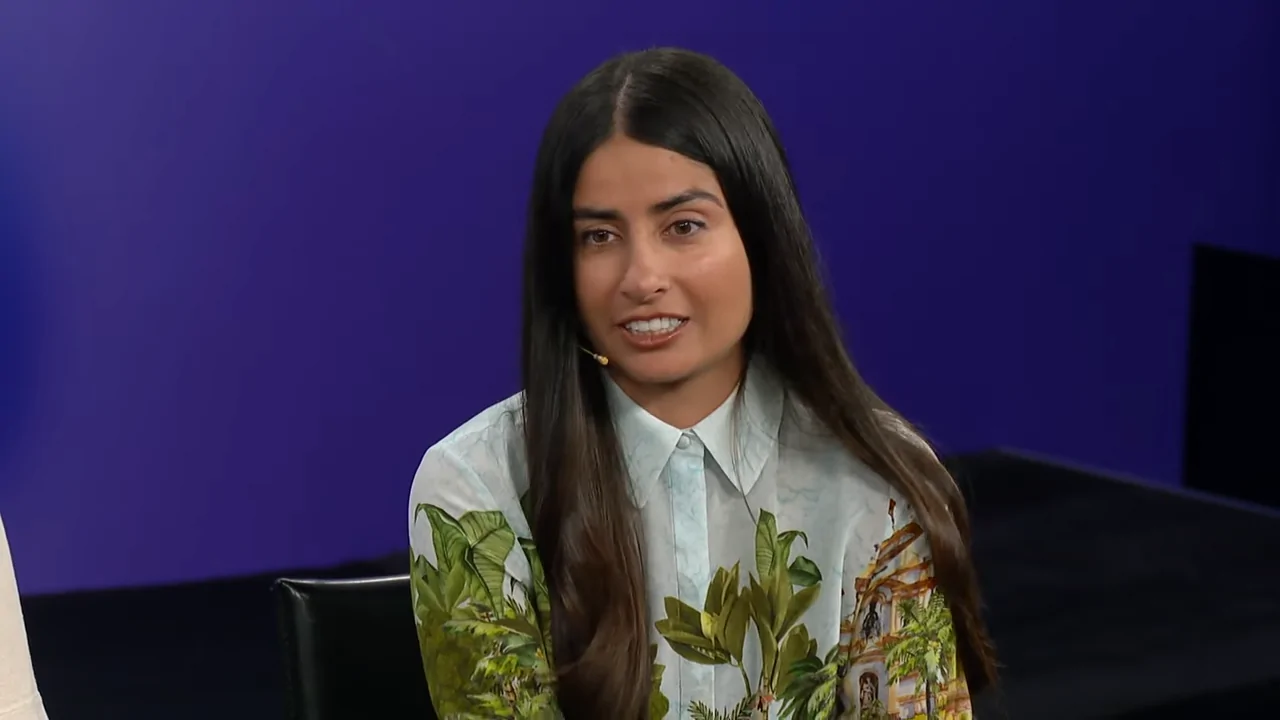
Asha Sharma at Microsoft Build 2024 – Microsoft Events, YouTube
The question is whether her solution can fix them without destroying some of the things that made Xbox valuable in the first place.
For now, however, her message to employees couldn’t be much clearer.
“Clarity is kindness.”
And after years of enormous acquisitions, Game Pass promises, shifting strategies, and Xbox insisting that its unconventional approach represented the future of gaming, Microsoft employees and customers are finally getting some clarity about just how troubled the business had become.
How do you feel about Asha Sharma and her tenure at Xbox? Sound off and let us know!
