


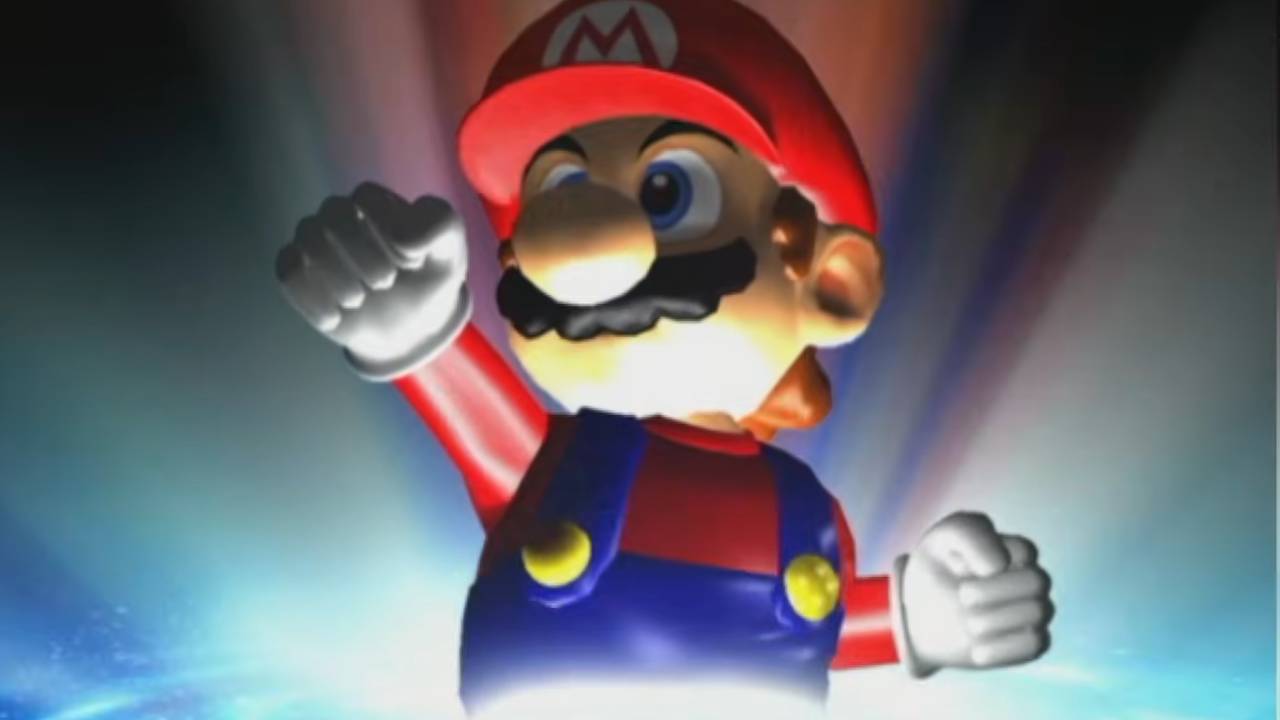
It took developers more than six years to fully decompile Super Smash Bros. Melee. It apparently took OpenAI’s latest artificial intelligence model just six hours to turn that work into a native Mac OS version running at 120 frames per second.
Developer Theo Browne revealed the experiment Tuesday, showing the classic Nintendo fighting game running at double its original frame rate with support for higher resolutions and upscalable textures.
Astra was able to get Super Smash Bros Melee compiled for Mac OS, running at 120 FPS with higher resolutions and upscalable textures. Took about 6 hours in a loop.
We live in wild times. https://t.co/6B3CqlxaOw pic.twitter.com/9eH6GRhr8B
— Theo – t3.gg (@theo) September 8, 2026
“Astra was able to get Super Smash Bros Melee compiled for Mac OS, running at 120 FPS with higher resolutions and upscalable textures,” Browne wrote. “Took about 6 hours in a loop. We live in wild times.”
Astra, officially known as GPT-6 Astra, is OpenAI’s newest and most advanced artificial intelligence model. Released last week, it was designed with significantly improved capabilities for complex, multi-step tasks, including software development and directly operating computers.
Rather than simply answering a programming question or generating a few lines of code, Astra can be given a larger task and work through multiple steps toward completing it with relatively little human intervention.
In this case, it had an impressive foundation to work with.
Six Years of Work Opens the Door
The Melee experiment comes almost immediately after a team of developers completed a massive effort to fully decompile the 2001 GameCube classic.
Decompilation essentially involves reverse-engineering a finished piece of software back into human-readable source code without access to the developer’s original source files.
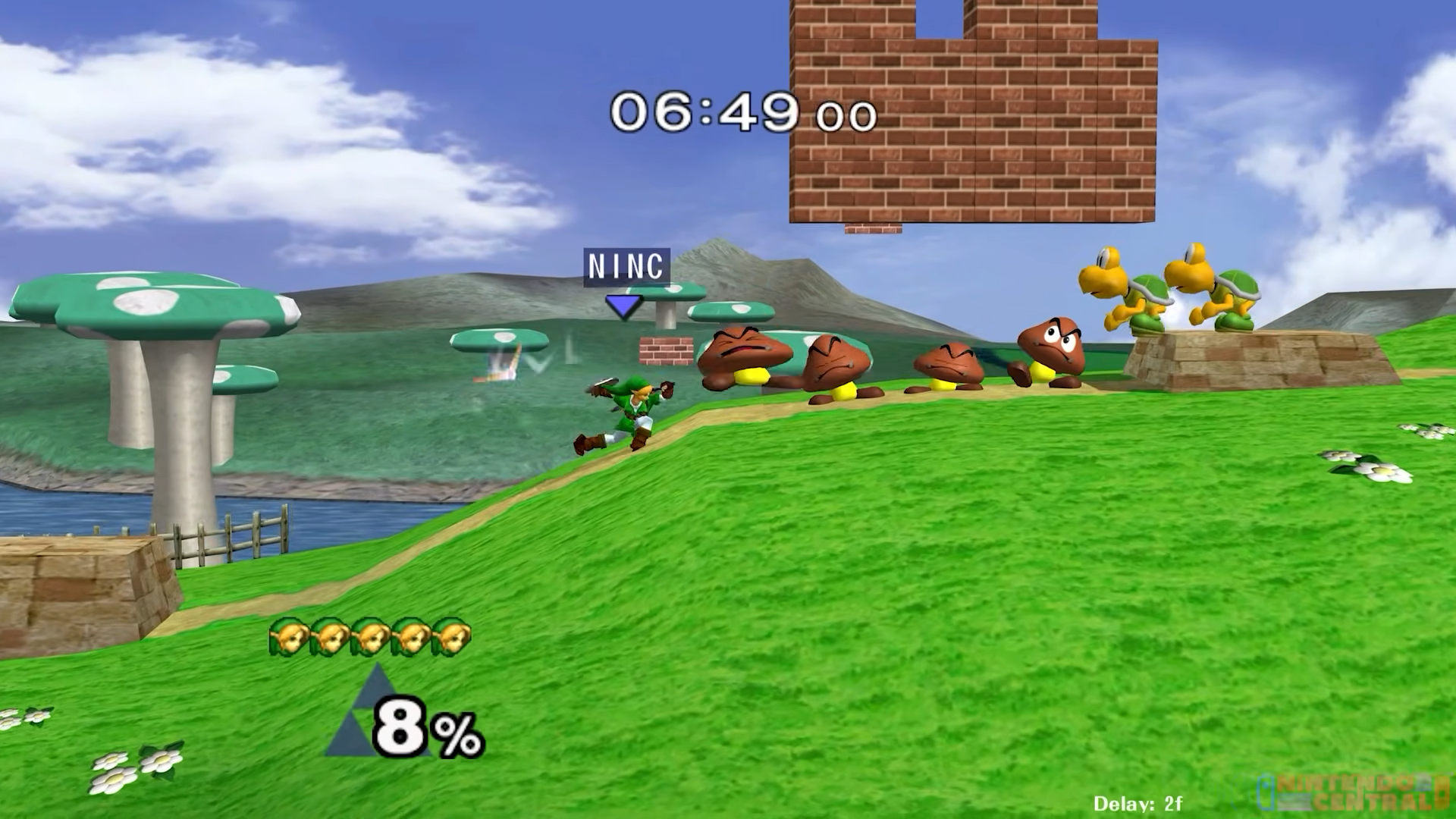
Screenshot from Super Smash Bros. Melee – NintendoCentral, YouTube
READ: Five Injured in Scaffolding Collapse at George Lucas’ Summit Skywalker Ranch
When Nintendo developed Melee, programmers wrote instructions that humans could read and modify. Those instructions were then compiled into machine-readable code that the GameCube could execute.
Think of it as the difference between having a recipe and having the finished meal. The GameCube disc contains the finished product needed to run the game, but not the original recipe Nintendo’s programmers used to create it.
Decompilation attempts to work backward from that finished product and reconstruct the recipe.
The Melee project began in July 2020 and ultimately reconstructed the game’s approximately 3.88 MB main program using the C programming language.
The developers were not simply trying to write new code that behaved similarly to Melee. Their reconstructed source code can be compiled back into a file that is byte-for-byte identical to the original program Nintendo shipped with the game.
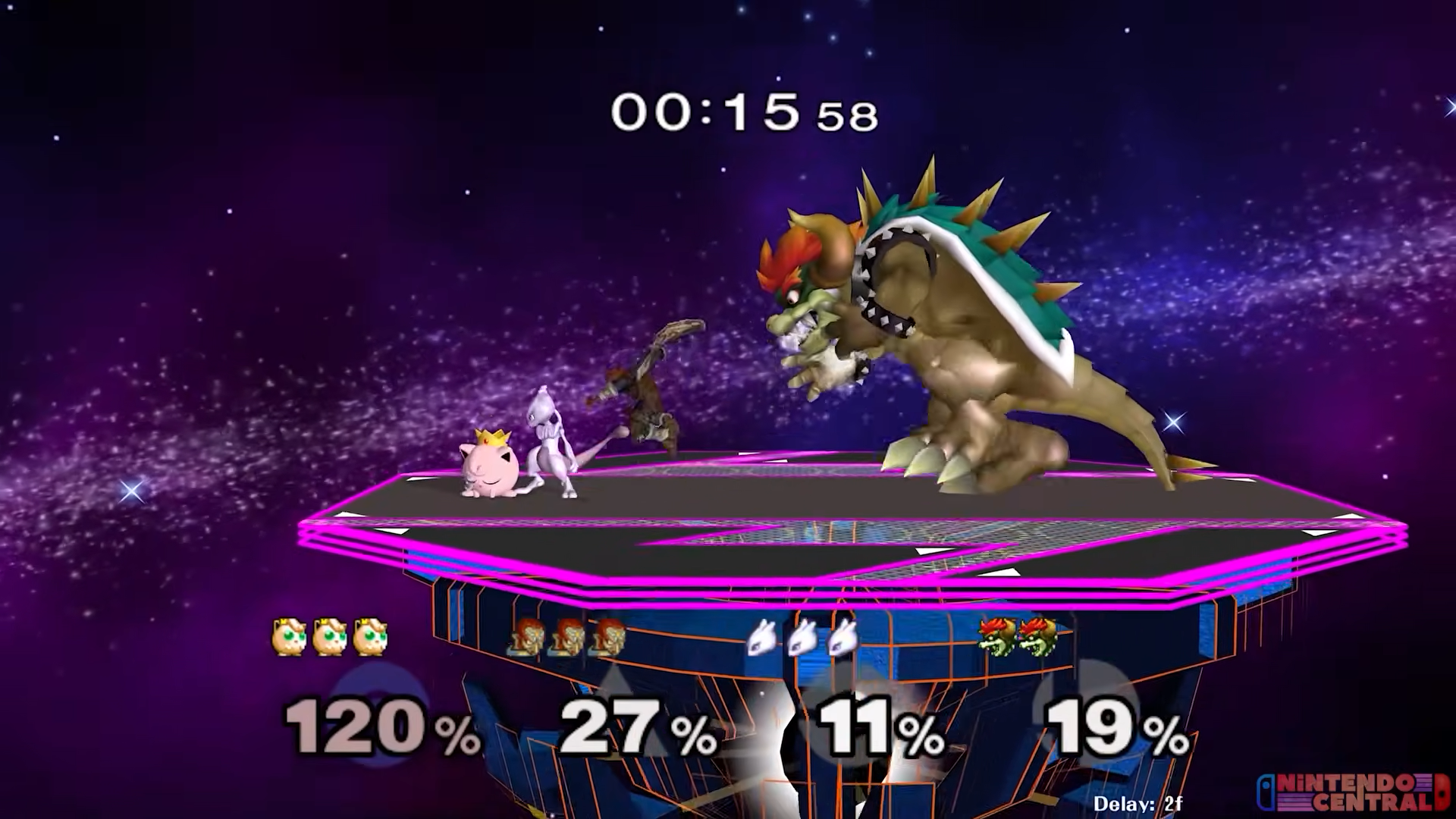
Screenshot from Super Smash Bros. Melee – NintendoCentral, YouTube
READ: Did James Gunn Already Cast His Wonder Woman? Adria Arjona Fuels Massive DCU Speculation
In other words, developers effectively worked backward from the GameCube’s machine-readable program and reconstructed human-readable code capable of producing exactly the same result.
That does not mean they recreated everything contained on a Melee disc. Games also include assets such as character models, textures, music, sound effects, and other data. Those assets are separate from the reconstructed source code and are not provided by the project.
Super Smash Bros. Melee is now 100% decompiled!
* Used with AI (Claude) pic.twitter.com/rIAIyoZGYp
— Reticent (@ReticentY2K) September 7, 2026
Interestingly, artificial intelligence also played a role in completing that six-year effort. Large language models reportedly accelerated the project’s final push, with developers utilizing advanced models—including Claude and Astra—to tackle complex remaining functions.
From GameCube Code to a Mac Game
Reaching 100% decompilation did not automatically create a modern PC or Mac version of Melee.
The reconstructed code was still designed to produce software for Nintendo’s GameCube. Modern computers use different processors, graphics systems, operating systems, and other technology.
Creating a native port therefore requires adapting the reconstructed code so that the game can run directly on modern hardware rather than requiring software that emulates the original GameCube.
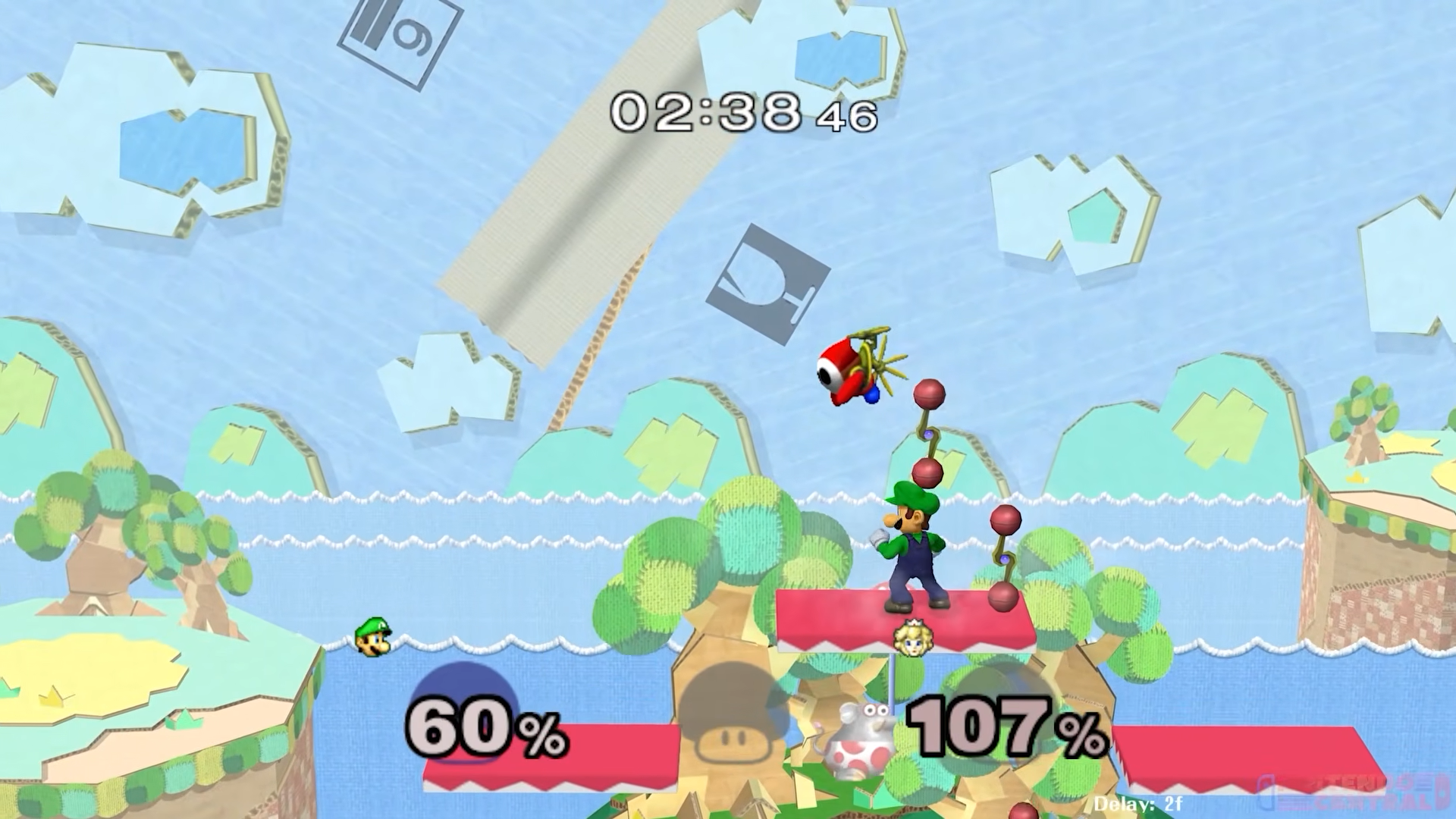
Screenshot from Super Smash Bros. Melee – NintendoCentral, YouTube
READ: Coral Reef Restaurant Will Reopen in EPCOT November 2026
That is where Browne’s experiment becomes particularly interesting.
Shortly after the decompilation was completed, Browne put Astra to work on adapting Melee for Mac OS. Approximately six hours later, he reported that the game was running at 120 FPS with higher resolutions and upscalable textures.
Astra did not create Super Smash Bros. Melee from scratch in six hours. It was building upon the enormous amount of work already completed by the human developers who spent more than six years reconstructing the game’s code.
Nevertheless, the speed at which it apparently turned that foundation into something capable of running natively on dramatically different hardware is remarkable.
A Glimpse at the Future of Retro Games
A native version of Melee capable of running at higher resolutions and 120 FPS would have obvious appeal for the game’s remarkably durable competitive community.
More broadly, the experiment demonstrates what completed decompilation projects could make possible when paired with increasingly capable artificial intelligence.
Games previously tied to decades-old hardware could potentially be ported, enhanced, studied, and modified much more rapidly once developers have reconstructed their underlying code.
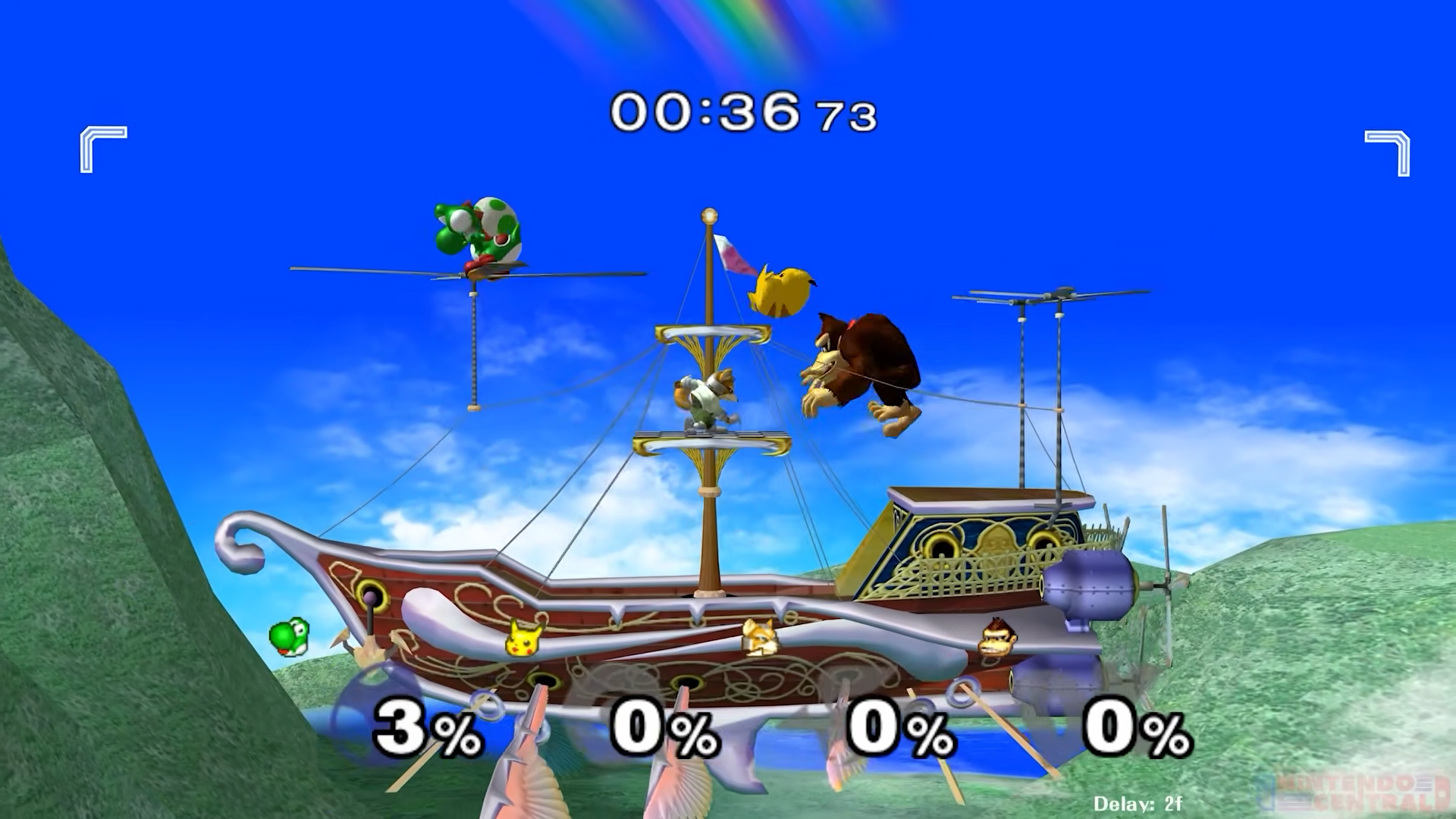
Screenshot from Super Smash Bros. Melee – NintendoCentral, YouTube
READ: HBO Max Claims John Stewart’s Mother Should Have Been Green Lantern
There are still important caveats. The decompilation project does not distribute Nintendo’s copyrighted game assets, meaning users still need those assets from an original copy. Browne’s six-hour experiment also should not be confused with a polished, publicly released Mac port ready for everyday players.
However, the contrast is difficult to ignore.
It took human developers more than six years to painstakingly reconstruct Super Smash Bros. Melee into source code they could work with. With that foundation finally available, Astra needed only hours to demonstrate how quickly the next chapter of the game’s 25-year life could begin.
How do you think tools like Astra will change the future of retro gaming? Sound off and let us know!
