


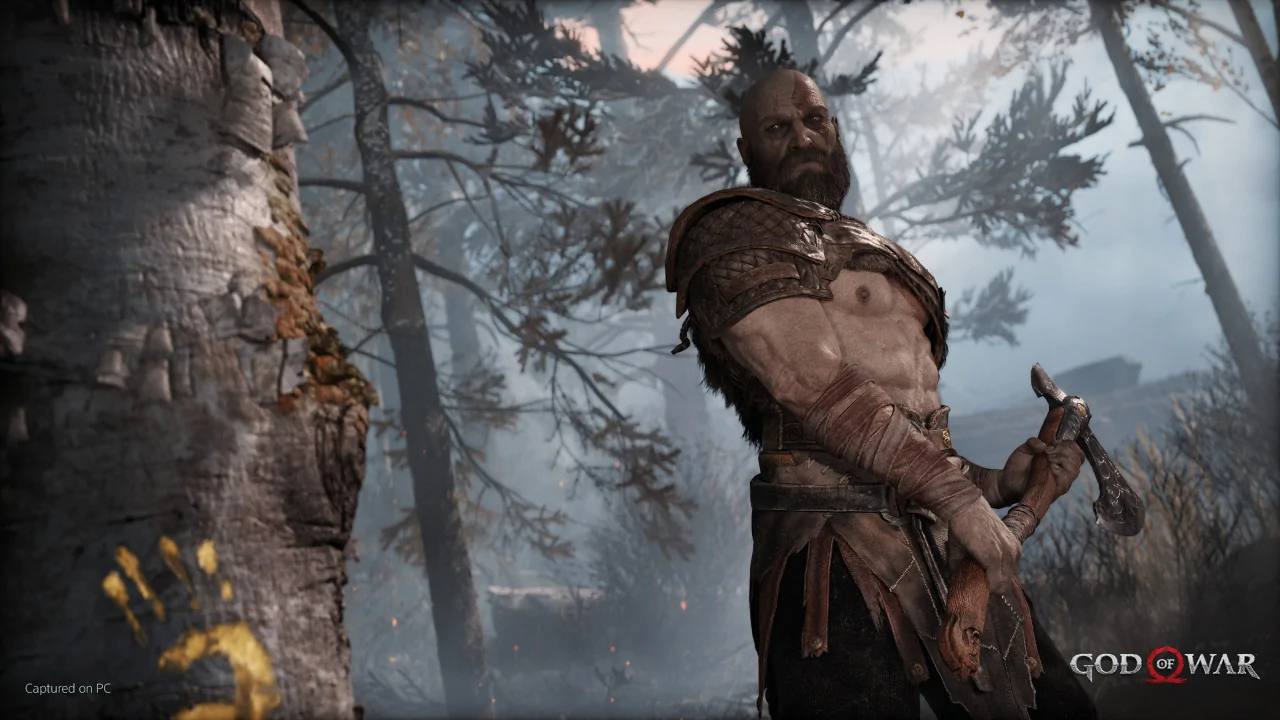
The ongoing Sony internal battle has become a massive issue in which eastern and western developers clash over the divisive issue of agenda in gaming.
Meditating in his office, overlooking the vast Tokyo skyline—symbol of Japan’s commercial might—Sony’s CEO inhales the crisp Eastern air, honoring both his heritage and the nation’s storied legacy. Then, a faint Western scent slips into his nostrils, jolting him from his calm. In that moment, the samurai spirit within stirs, realizing that his formidable ship—the Sony gaming empire—has been rattled.

The Last of Us Part I (2022), Naughty Dog
This is how I imagine Sony Japan felt upon examining the Western division’s balance sheets, which showed a steep, undeniable decline. Sequels that once guaranteed blockbuster sales were plummeting, and their burning question was: What in the name of Shinzo Abe is happening in our Western branch? Why are sales down, costs up, and where has our money gone?
Western Market Troubles
Consider The Last of Us Part 2. Naughty Dog’s highly anticipated sequel moved just 10 million copies—down a staggering 40% from the original’s 17 million—while Ghost of Tsushima, a sleeper hit, reached 13 million.
Spider-Man 2 from Insomniac hit only 10 million, a colossal 69% drop from its predecessor’s 33 million. “God of War Ragnarök” sold 15 million versus 23 million for the 2018 reboot, and Horizon Forbidden West mustered just 8 million against Zero Dawn’s 20 million.

Angrboda in “God of War: Ragnarok” (2022), Sony Santa Monica
Even Days Gone—a title that had minimal backing—exceeded 7 million by 2022, potentially outpacing The Last of Us Part 2 in the long run, yet its sequel was canceled.
Meanwhile, costs ballooned (Firewalk’s Concord alone burned hundreds of millions before failing), and Sony Japan saw a landscape of bleeding revenue and dwindling fan trust. This was no minor glitch; it signaled a brewing Sony internal battle across oceans, ready to tear the Sony gaming empire in two.
The Concord Debacle
Concord proved to be the final straw in the Sony internal battle. Estimates place its losses well into nine figures—a massive blow for a project championed by Sony West CEO Jim Ryan.

A screenshot from Concord (2024), Firewalk Studios
Released in August 2024, this live-service shooter from Firewalk Studios flopped dramatically, selling a fraction of what was expected despite eight years of development, and was shut down just two weeks post-launch. Faced with the financial fallout, Sony Japan likely realized a stark truth here: ideology, not market demand, was driving Sony West’s decision-making.
Certain games were being greenlit (or sidelined) based on narrative alignment rather than consumer appetite. This revelation may have fueled the escalating tensions between Sony’s Eastern and Western branches.
Helldivers 2: A Tale of Success and Missteps
In contrast, Helldivers 2 debuted to soaring success, moving millions of copies in a matter of weeks after its February 2024 release.
Arrowhead Game Studios delivered a riotous, co-op-focused shooter that resonated with gamers who wanted pure fun over heavy-handed messaging. Yet Sony West’s moderators nearly ruined it by enforcing rigid ideological guidelines—banning dissenting opinions on “woke” content and alienating players who just wanted to enjoy the chaos.

A screenshot from Helldivers 2 (2024), Arrowhead Game Studios
Posts from that period show fans complaining about excessive censorship on official forums, and player counts on Steam took a sharp dive. Matters worsened when Arrowhead’s CEO, Johan Pilestedt—a staunch champion of gamer-focused design—stepped down in May 2024, replaced by Shams Jorjani.
Insiders claimed Jorjani pushed for grindy mechanics and microtransactions, removing popular features like overpowered stratagems. Combined with the forced PlayStation Network account linking for Steam users—a move partially reversed after mass refund requests—Helldivers 2 hemorrhaged much of its early momentum.
Reassessing Days Gone
Sony Japan’s scrutiny in this internal battle then returned to Days Gone.
Despite lukewarm reviews—IGN famously gave it a middling score, dismissing its open world as “generic”—this 2019 Bend Studio release still built a large following, proving it could have long-term staying power.
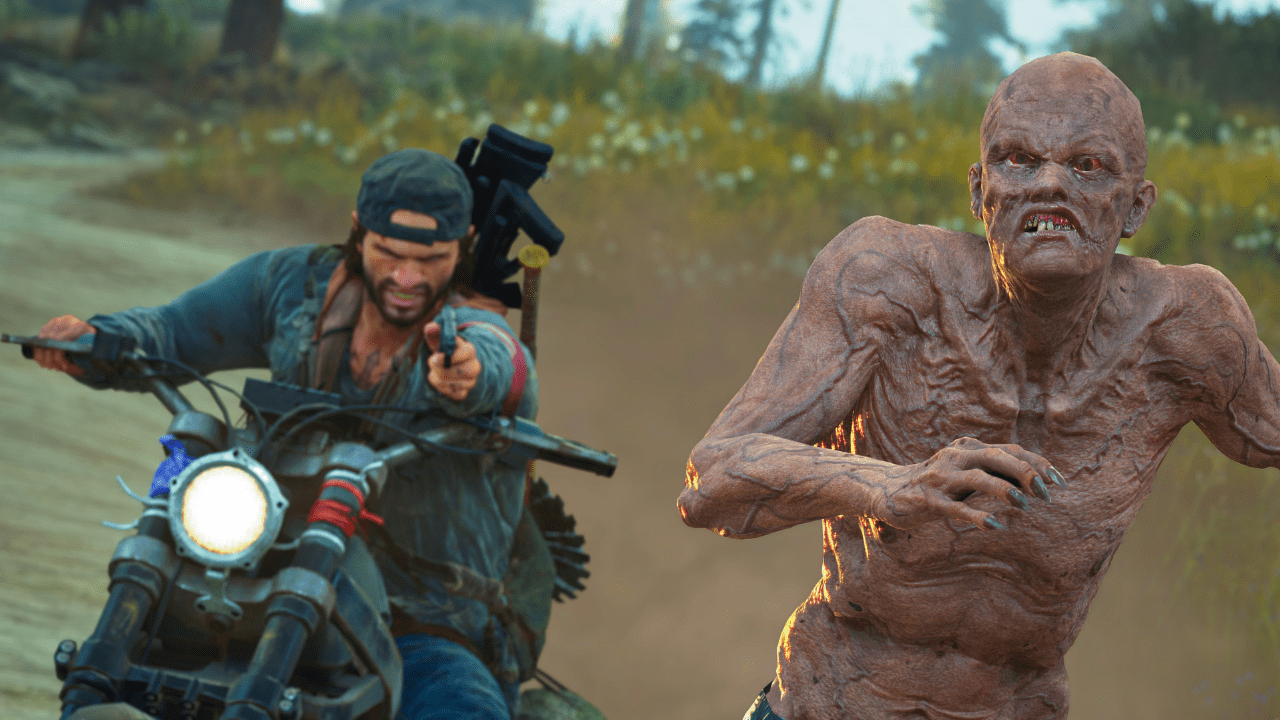
A screenshot from Days Gone (2021), Bend Studio
Yet Sony shelved a sequel because Naughty Dog, with Sony West’s backing, feared it would saturate the zombie genre and overshadow their own projects, including an ambitious multiplayer spin on The Last of Us that ultimately went nowhere.
Bend was sidelined to assist Naughty Dog, only to see that collaboration implode. From Sony Japan’s perspective, Days Gone was a missed opportunity: it continued to rack up sales while The Last of Us Part 2 lost some of its sheen.
The Ghost of Yotei Reveal
Ghost of Yotei was Sony Japan’s swift counterpunch to Ubisoft’s ill-fated Assassin’s Creed Shadows.
Revealed in mid-2024, Shadows sparked controversy over its portrayal of Yasuke (a Black samurai) and a culturally insensitive Torii Gate scene. Sensing a chance to assert authenticity, Sony Japan urged Sucker Punch to unveil Ghost of Yotei in September 2024, pitching it as the true successor to the massively successful Ghost of Tsushima.

A screenshot from Ghost of Yōtei (2025), Sucker Punch
But the reveal backfired. Unknown to Sony Japan, Yotei had replaced Jin Sakai—central hero of Tsushima—with a new female lead, Yasuko. The fan backlash on social media was immediate, with cries that Sony was fixated on “DEI” mandates at the expense of beloved male icons. Further digging showed that major creative figures from Tsushima, including director Nate Fox and many original team members, had departed by 2023, frustrated by Sony West’s intrusive guidance.
Sony’s Corporate Restructuring
This fiasco triggered a massive upheaval within Sony. Leadership in Tokyo—nicknamed the “samurai elite”—launched a sweeping corporate reset similar to a ritual purge, determined to excise what they saw as systemic failures.
Sony West’s top executives were replaced by Hiroki Totoki and Hideaki Nishino, two veterans from Tokyo appointed by Sony’s global CEO, Kenichiro Yoshida, late in 2024. Their mandate: return Sony to its foundational principle of delivering fun, innovative, player-driven experiences, free of ideology-driven missteps.
Days Gone Remaster and The End of TLOU3
Eager to rebuild trust, Sony tested the waters by announcing a remaster of Days Gone for early 2025. Its performance may well decide whether a long-awaited sequel gets greenlit—Bend Studio’s future hinges on that outcome.
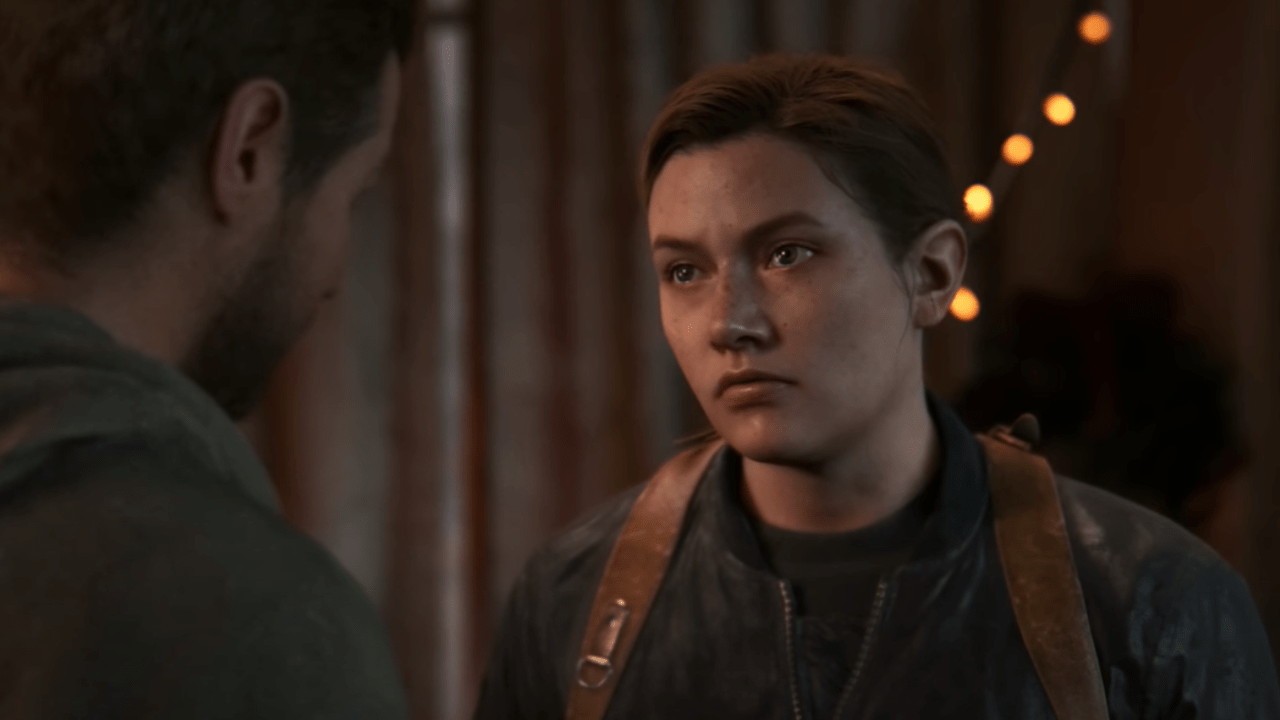
Abby in The Last of Us Part II (2020), Naughty Dog
Meanwhile, Naughty Dog’s Neil Druckmann confirmed that The Last of Us Part 3 isn’t moving forward, corroborating rumors that the studio’s flagship has lost momentum. With TLOU2 no longer the juggernaut it once was, Sony appears poised to double down on Days Gone, an enduring cult favorite with proven legs.
Naughty Dog’s Intergalactic: The Heretic Prophet
Tensions rose further when Naughty Dog unveiled its new IP, Intergalactic: The Heretic Prophet, at The Game Awards in December 2024 to a subdued response.
Fan reaction online was muted, and a storyline leak soon followed, revealing a space-bound outcast battling robot overlords—concepts Sony Japan dismissed as unoriginal, reminiscent of 2010’s Enslaved: Odyssey to the West. Unlike the graphic intensity of TLOU2, Intergalactic appeared sanitized and less daring.
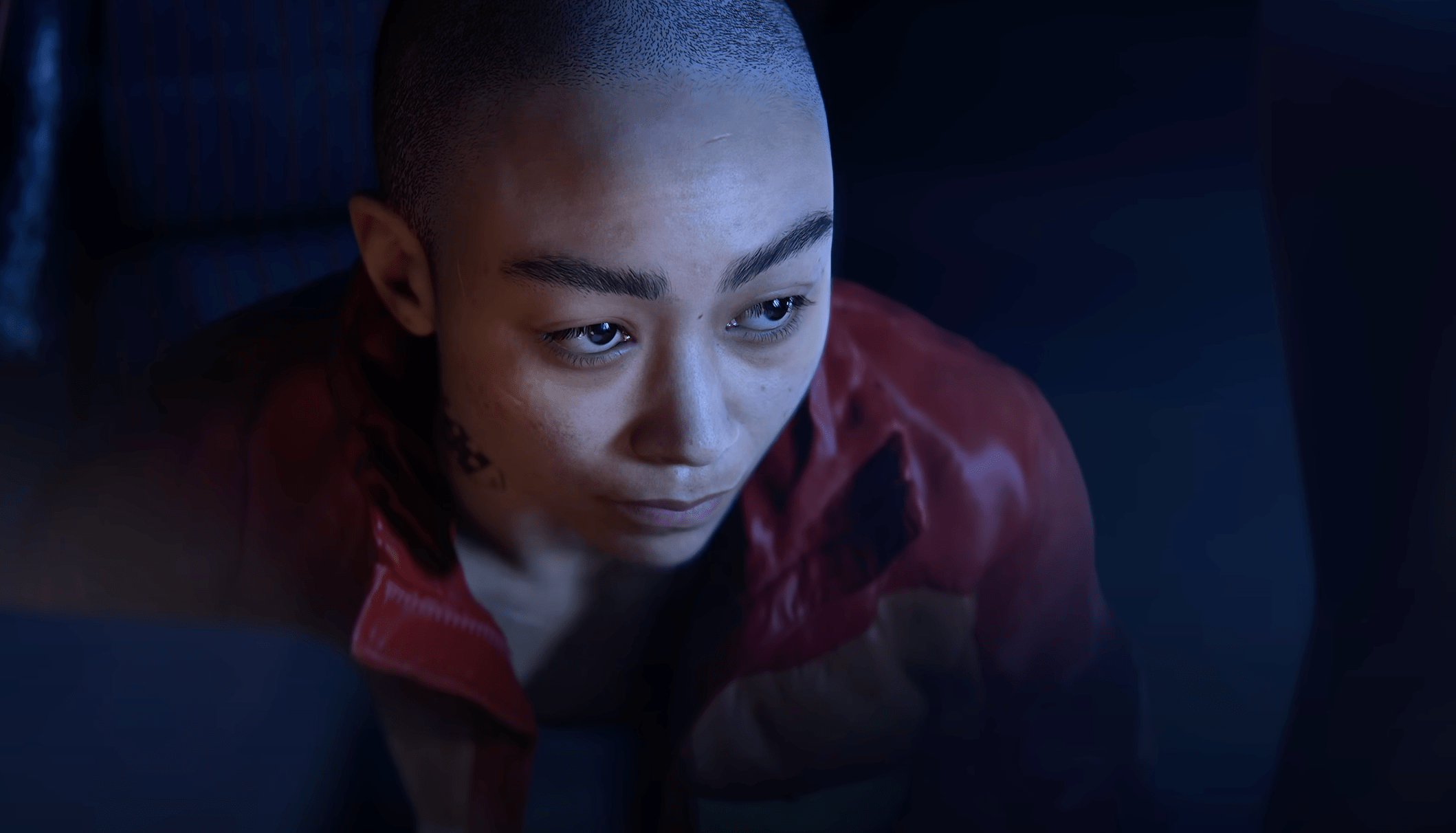
The main character for Intergalactic: The Heretic Prophet – YouTube, PlayStation
Though Naughty Dog stayed quiet on the leaks, insiders claim Sony Japan saw the project as a “tired retread” rather than a truly bold reinvention.
Looking Ahead: The Return to Japanese Roots
While Days Gone rallies for a comeback—its remaster already capturing solid preorder numbers—Sony is reevaluating its entire portfolio, wary of another internal battle misfire like Ghost of Yotei.
Some projects, such as Intergalactic, are reportedly too far along to scrap without incurring massive losses, leaving Sony to weigh its options carefully. Speculation also grows over a potential partnership with Take-Two and Rockstar for PS5-exclusive features in GTA 6.

A screenshot from Marvel’s Spider-Man 2 (2023), Insomniac Games
One truth stands firm: the once-meditative samurai giant has awakened. With swords drawn and eyes open, Sony Japan is determined to reclaim its status as a cornerstone of gaming excellence, restoring the fun and innovation that once made PlayStation legendary.
What’s your opinion on the Sony Civil War? Sound off in the comments and let us know!
