



Hollywood entered 2025 with modest hopes for theatrical box office recovery — and still came up short.
According to year-end domestic ticket sales data reported by Variety, the 2025 box office closed at $8.87 billion, narrowly missing the already-reduced $9 billion projection that analysts had framed as a realistic benchmark. While the industry has attempted to spin the result as progress, the numbers tell a far less flattering story.

A screenshot from the trailer to Avatar: Fire and Ash – YouTube, Avatar
A 1.5% increase over 2024 is being heralded as a win, but context matters. Before the 2020 lockdowns, domestic box office totals routinely pushed $11 billion or more. Against that backdrop, 2025 does not represent recovery — it represents stagnation.
A Bar Lowered — Then Missed
Hollywood’s expectations for theatrical attendance have been steadily revised downward over the past several years. Streaming dominance, shortened theatrical windows, rising ticket prices, and audience fatigue have all taken their toll. By 2025, the $9 billion domestic target was no longer ambitious — it was cautious.
Missing even that mark demonstrates how fragile the theatrical business remains.
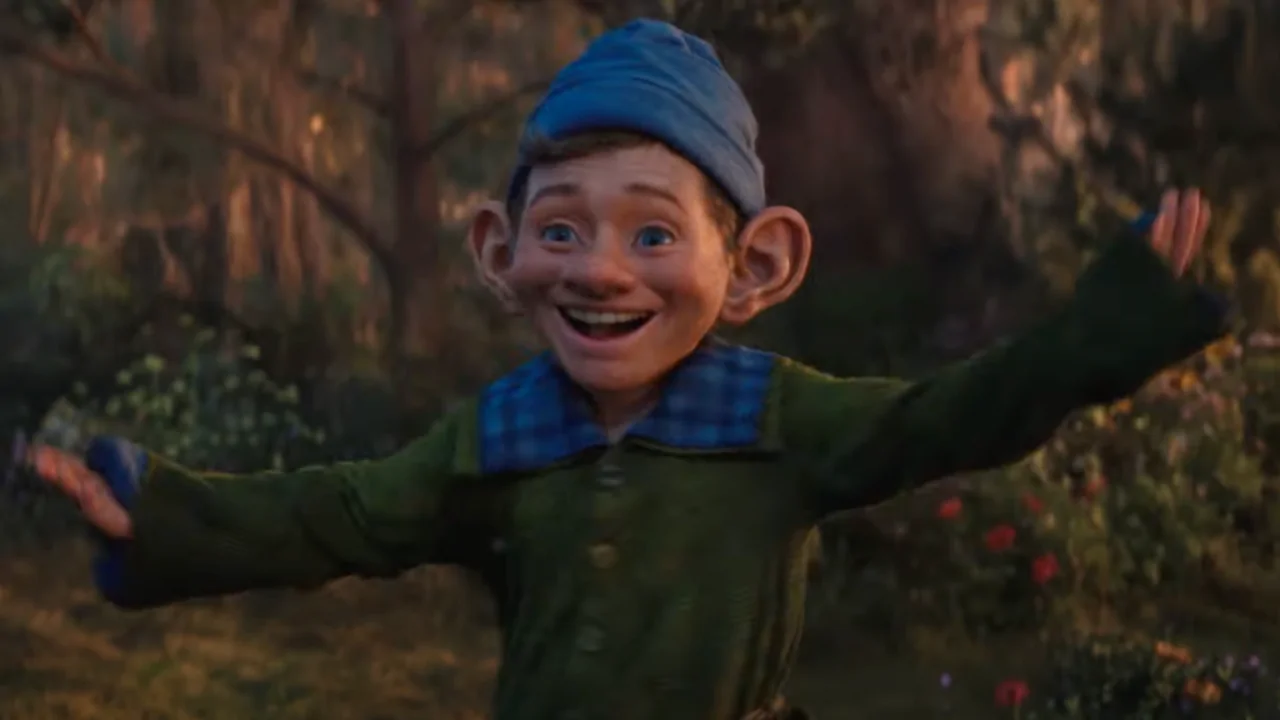
Dopey in the Live Action Snow White movie – YouTube, Disney
What’s particularly telling is how studios managed to approach $8.9 billion at all. The increase in revenue was not driven by a meaningful return of moviegoers, but by higher ticket prices and premium formats such as IMAX and PLF screens. Fewer people are going to the movies — they’re just paying more when they do.
That distinction matters, because price inflation is not a growth strategy. It’s a stopgap.
Tentpoles are Few and Far Between
The year did benefit from a handful of major tentpoles, led by Avatar: Fire and Ash, which topped New Year’s Eve with $8.1 million domestically and has already earned over $900 million worldwide. Overseas markets have once again proven far more receptive, with the film expected to cross the $1 billion global milestone in the near term.

A screenshot from the trailer to Avatar: Fire and Ash – YouTube, Avatar
However, even with that performance, Fire and Ash is tracking well below its immediate predecessor, Avatar: The Way of Water, which reached similar milestones faster and ultimately finished as a far more dominant global event. In other words, even Hollywood’s most reliable franchise is showing signs of diminished returns.
Disney’s Zootopia 2 provides another example of this dynamic. While the sequel has posted solid domestic numbers and remains one of the year’s stronger performers, its success does little to offset the broader weakness of the theatrical slate (particularly for Disney which saw huge flops from Snow White, Captain America: Brave New World, Elio, Thunderbolts, and more).
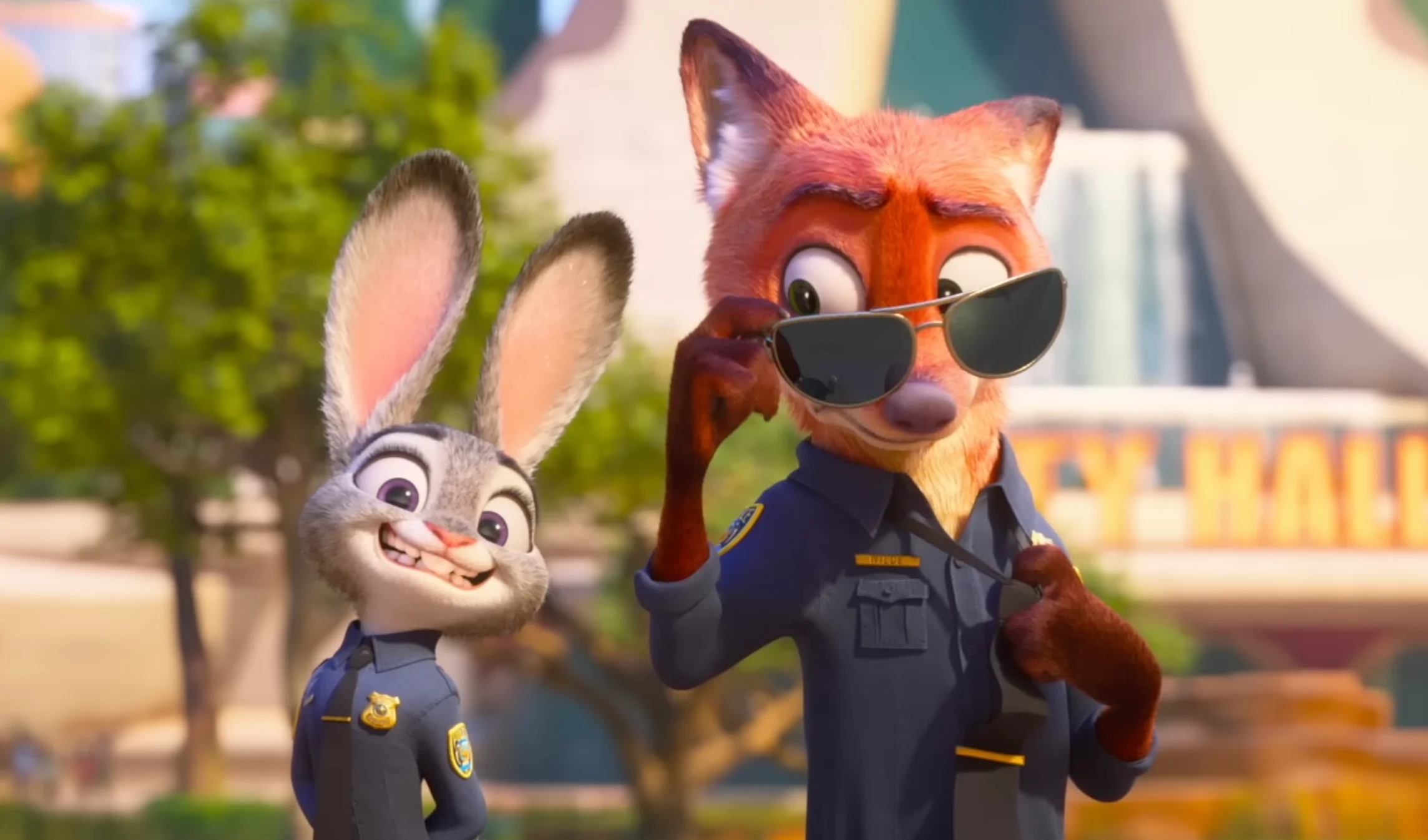
Nick Wilde and Jusy Hopps in police uniforms in Zootopia 2 – YouTube, Disney
A small number of family-friendly and legacy IP releases propping up annual totals is not a sign of recovery — it’s evidence of consolidation.
Taken together, these results highlight the industry’s growing imbalance. A few mega-franchises performing well, particularly overseas, do not fix systemic problems at home. Domestic attendance remains suppressed, and relying on a shrinking pool of proven brands to carry the box office year after year is not a sustainable model.
The Middle Keeps Getting Hollowed Out
Beyond tentpoles, the rest of the box office paints a sobering picture.
Disney’s Zootopia 2 continues to perform solidly, but few films outside of major franchises are breaking through. A24’s Marty Supreme reached roughly $39 million domestically despite carrying a $70 million production budget, not including marketing costs. That math does not work — and it reflects a broader issue facing mid-budget films.
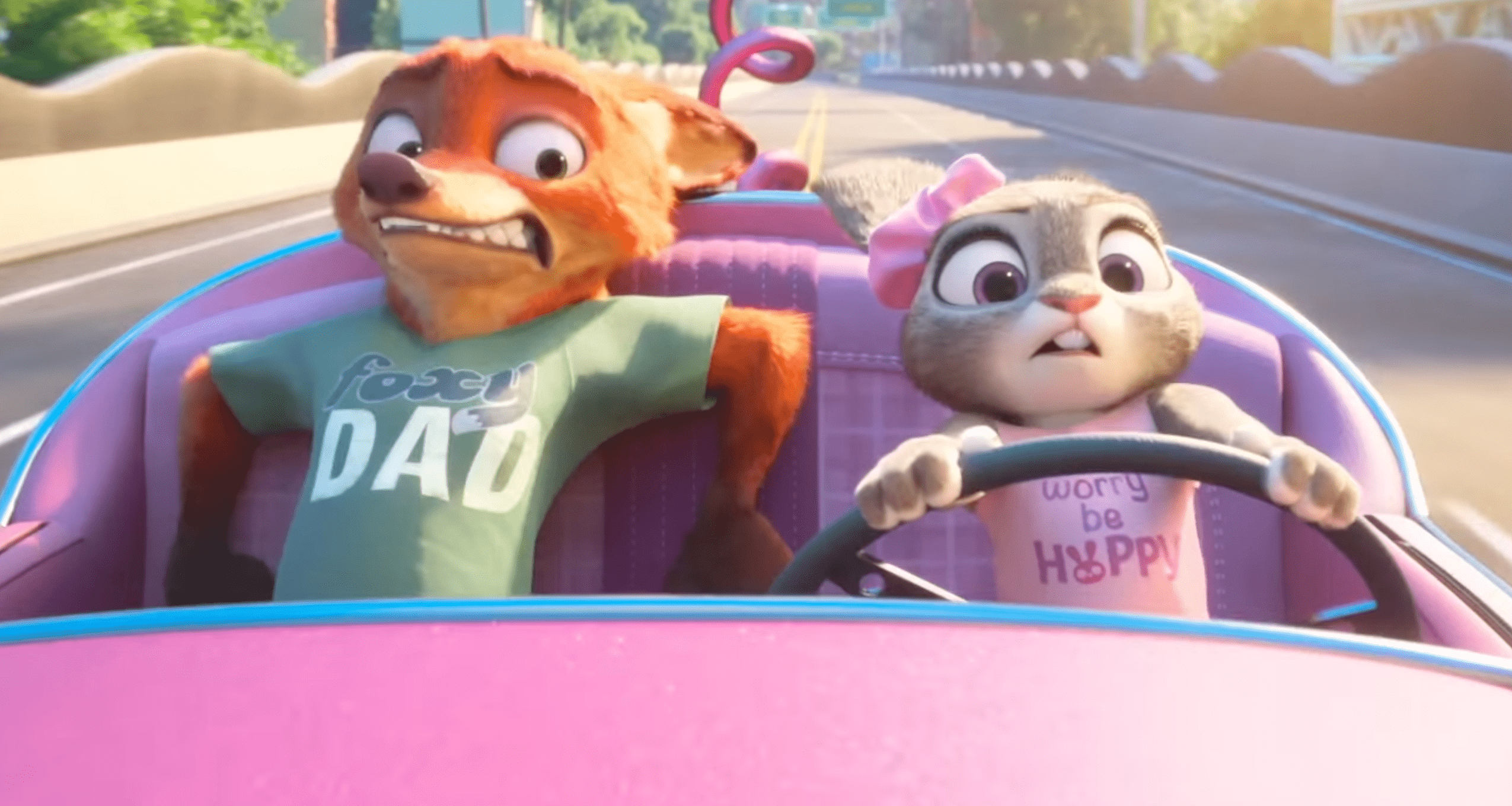
Nick Wilde and Judy Hopps in Zootopia 2 – YouTube, Disney
Studios are increasingly squeezed between ultra-expensive blockbusters and smaller projects that struggle to justify theatrical runs. The result is fewer compelling reasons for audiences to leave their homes.
Alternative Content Isn’t a Solution
Theaters experimented with alternative programming during the holidays, including Netflix-hosted Stranger Things finale screenings. While 1.1 million seats were reportedly sold, Netflix declined to release revenue figures (shocking…) — a notable omission when transparency would help validate the model.

Vecna confronts Will in Stranger Things 5 – Netflix
Alternative content can supplement theatrical schedules, but it cannot replace a healthy film slate. Event screenings may generate short-term buzz, but they do not rebuild habitual moviegoing.
Ideology Isn’t a Substitute for Entertainment
One of the clearest lessons from the 2025 box office is that ideologically driven films continue to fail at scale, even when backed by major studios, familiar IP, and massive marketing campaigns.
Disney’s live-action race-swapped Snow White collapsed under the weight of controversy and audience disinterest, becoming one of the studio’s most visible theatrical disappointments in years. What was once considered a guaranteed family hit instead turned into a case study in how quickly goodwill evaporates when messaging overtakes storytelling.

Rachel Zegler as Snow White in Snow White (2025), Walt Disney Studios
READ: Netflix Buckles Under Demand as Stranger Things Finale Triggers Another Platform Crash
Marvel Studios fared little better with ideologically driven content. Captain America: Brave New World failed to ignite enthusiasm despite the strength of the brand, while Fantastic Four: First Steps struggled to generate momentum even before release. In prior eras, the Marvel logo alone was enough to ensure a strong opening weekend. In 2025, that assumption no longer holds.
What these films share is not just underperformance, but a growing perception among audiences that Hollywood is more interested in lecturing than entertaining. Moviegoers are signaling—clearly—that they are no longer willing to spend $15 to $25 per ticket on films that feel like corporate messaging exercises rather than escapist entertainment.

Anthony Mackie as Sam Wilson/Captain America in Marvel Studios’ CAPTAIN AMERICA: BRAVE NEW WORLD. Photo by Eli Adé. © 2024 MARVEL.
Perhaps most damaging for studios is what didn’t happen. There was no “default attendance.” No sense that audiences would show up out of habit, loyalty, or fear of missing out. Instead, many consumers simply opted out altogether, choosing streaming, gaming, or other leisure options over theatrical releases they perceived as agenda-driven.
This represents a fundamental shift. For years, Hollywood relied on brand inertia—especially within Marvel and Disney—to carry projects regardless of quality or tone. That era appears to be over. In 2025, audiences demonstrated they are perfectly comfortable skipping major franchise entries entirely if the product no longer aligns with their interests.

Pedro Pascal at Star Wars Celebration – YouTube, Star Wars
The message from moviegoers is blunt: entertain us, or we’ll stay home. And no amount of marketing spin can reverse that trend.
It’s All Economics
Another uncomfortable truth buried beneath headline box office totals is profitability.
Disney reportedly generated roughly $6 billion at the global box office in 2025, but that figure is far less impressive once costs are accounted for.

Rachel Zegler singing the original song “Waiting on a Wish” from Disney’s Snow White live action remake – YouTube, Disney
Big-budget releases like Snow White and Captain America: Brave New World reportedly carried production budgets exceeding $300 million each before marketing thanks to costly reshoots, meaning break-even points were astronomically high.
Massive grosses don’t automatically translate into healthy margins, especially when marketing spend can rival production costs.

A screenshot from Sinners – YouTube, Warner Bros.
By contrast, Warner Bros. quietly posted a string of low-budget horror successes that may not have matched Marvel or Disney tentpoles in raw revenue, but generated meaningful profits due to disciplined spending. This is the distinction Hollywood increasingly ignores: gross totals make headlines, but profit keeps companies alive.
Money in versus money out is not a political statement — it’s basic economics.
Survival Is Not Success
Hollywood’s biggest mistake may be redefining “not collapsing” as success.
A year that misses reduced expectations and relies on ticket inflation isn’t a comeback story. It’s a warning sign. Until studios prioritize audience trust, compelling storytelling, and genuine theatrical value — rather than branding exercises and pricing tricks — box office totals will remain artificially propped up.
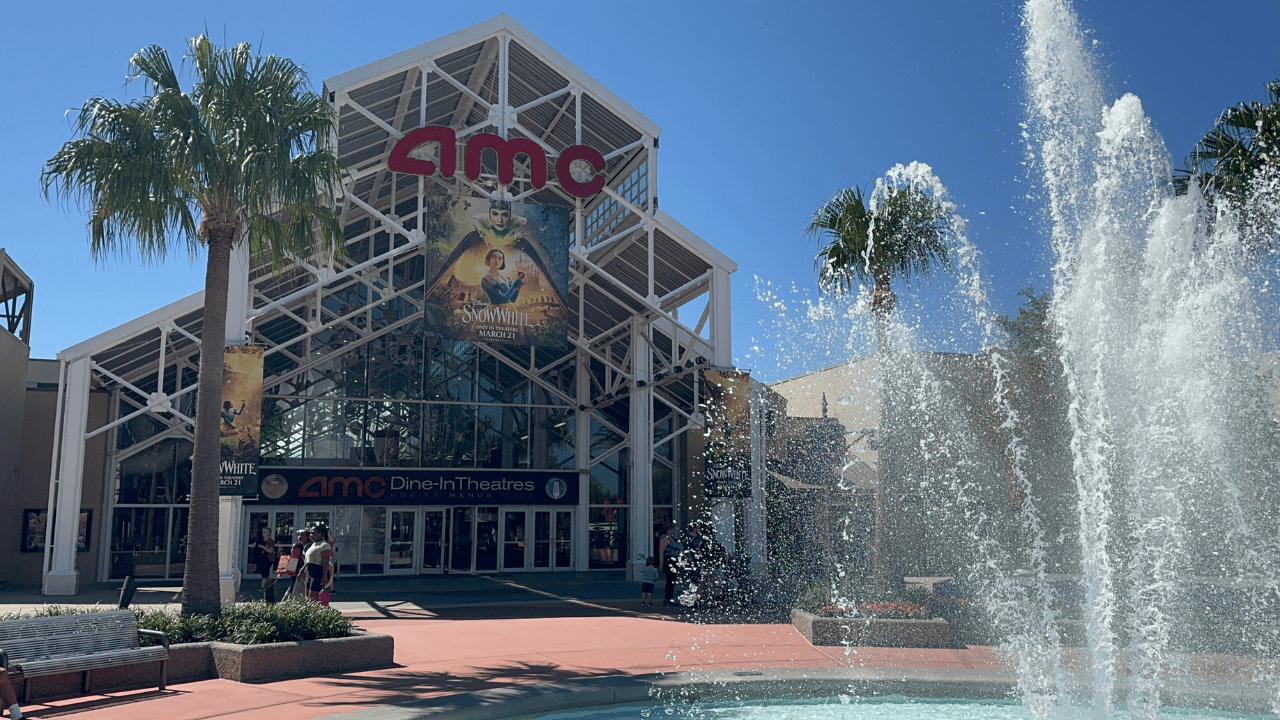
A movie theater at Disney Springs – Photo Credit: M. Montanaro
The 2025 box office didn’t crash. But it didn’t recover either. And pretending otherwise only delays the reckoning.
How do you feel about the 2025 Hollywood domestic box office? Sound off in the comments and let us know!
UP NEXT: LGBTQ Content Appears in Nearly Half of Netflix Kids’ Shows, New Study Finds
