

On Friday, the Academy of Motion Picture Arts and Sciences announced that AI writers and actors will not be eligible for Oscars. While any use of AI will not result in a film being banned from the Oscars, there are now clear restrictions in place. As new technology develops rapidly, especially with more lifelike human animation, the clarification hardly comes as a surprise to many industry insiders.

A clip from the Brad Pitt Tom Cruise AI fight – X, @RuairiRobinson
READ: Disneyland Cracking Down on Guest Behavior With New Policy
The decision marks one of the strongest official responses so far to generative AI in Hollywood. The Academy framed the new rules for 99th Academy Awards as a “commitment to honoring human authorship and artistry.” It likely comes as welcome news to many actors and writers who have voiced concerns about AI’s role going forward.
AI “Actors” Face New Limits
As outlined by the Academy, only roles “demonstrably performed by humans with their consent” can be nominated. While such a thing would have seemed impossible just a few years ago, the landscape has changed.
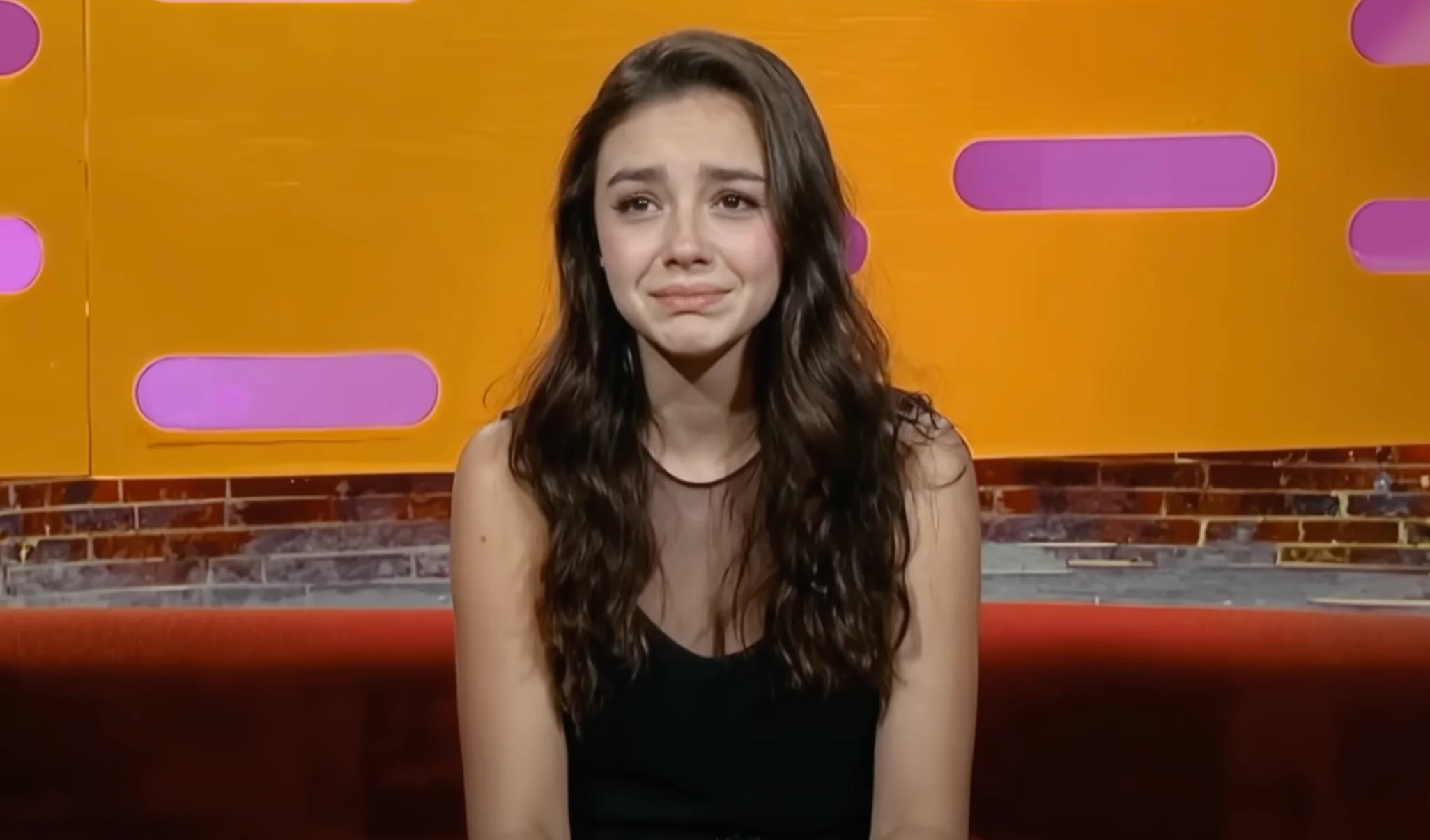
Last fall, Particle6, a London-based production studio, announced that AI “actress” Tilly Norwood would receive representation through a talent agency. While the claims seem to have been overblown, the idea generated a strong reaction within the industry.
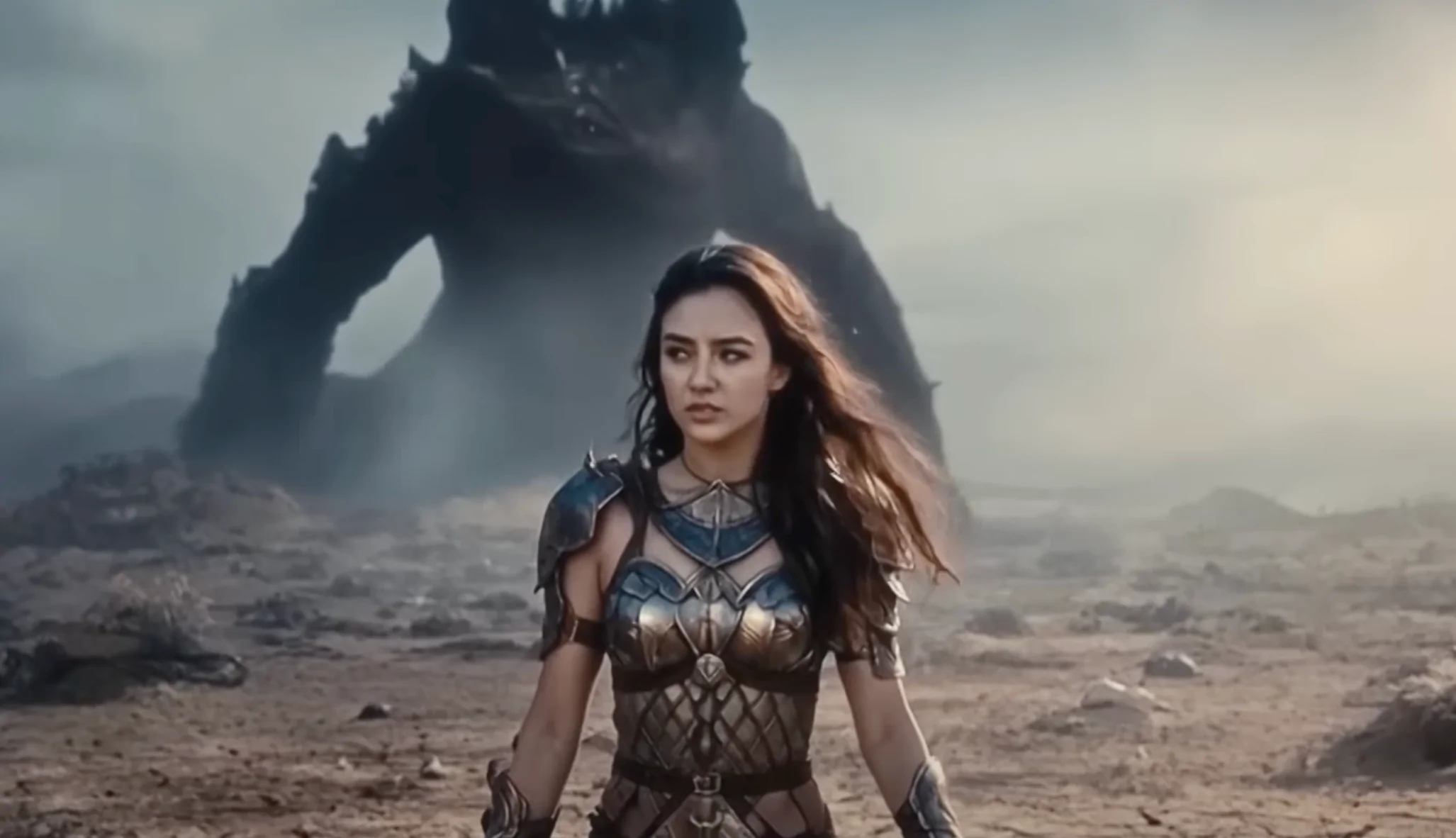
AI Actress Tilly Norwood in an epic fantasy film – YouTube, Entertainment Tonight
READ: No Disney Parks Included in Top 10 U.S. Theme Parks List
The situation may have added a layer of complexity earlier this year. Canyon of the Dead, a feature film recently marketed at the European Film Market, will have a posthumous performance from Val Kilmer completed through AI. While Tilly Norwood is entirely a product of generative AI, Kilmer’s performance is based on an actual human being. The line between an organic performance and one crafted by AI will likely only become increasingly unclear.
With these new rules in place, Tilly Norwood and other AI actors—real or imagined—are banned from Oscar nominations.
The Limits of AI at the Oscars
Additionally, the Academy wrote that “to be eligible in either Writing category, an explicit screenwriting credit must be present in the film’s legal billing and the screenplay must be human-authored.” AI-assisted writing is becoming more common. This ruling signals an attempt to get ahead of entire screenplays being completely generated from prompts.
Again, AI is not completely banned from the Oscars—just from winning them. Many tech experts agree that, at this point, such a thing would be impossible. The new rules only serve to address the broader issues of its use. The Academy wrote that using AI and other digital tools will “neither help nor harm the chances of achieving a nomination. The Academy and each branch will judge the achievement, taking into account the degree to which a human was at the heart of the creative authorship when choosing which movie to award.”
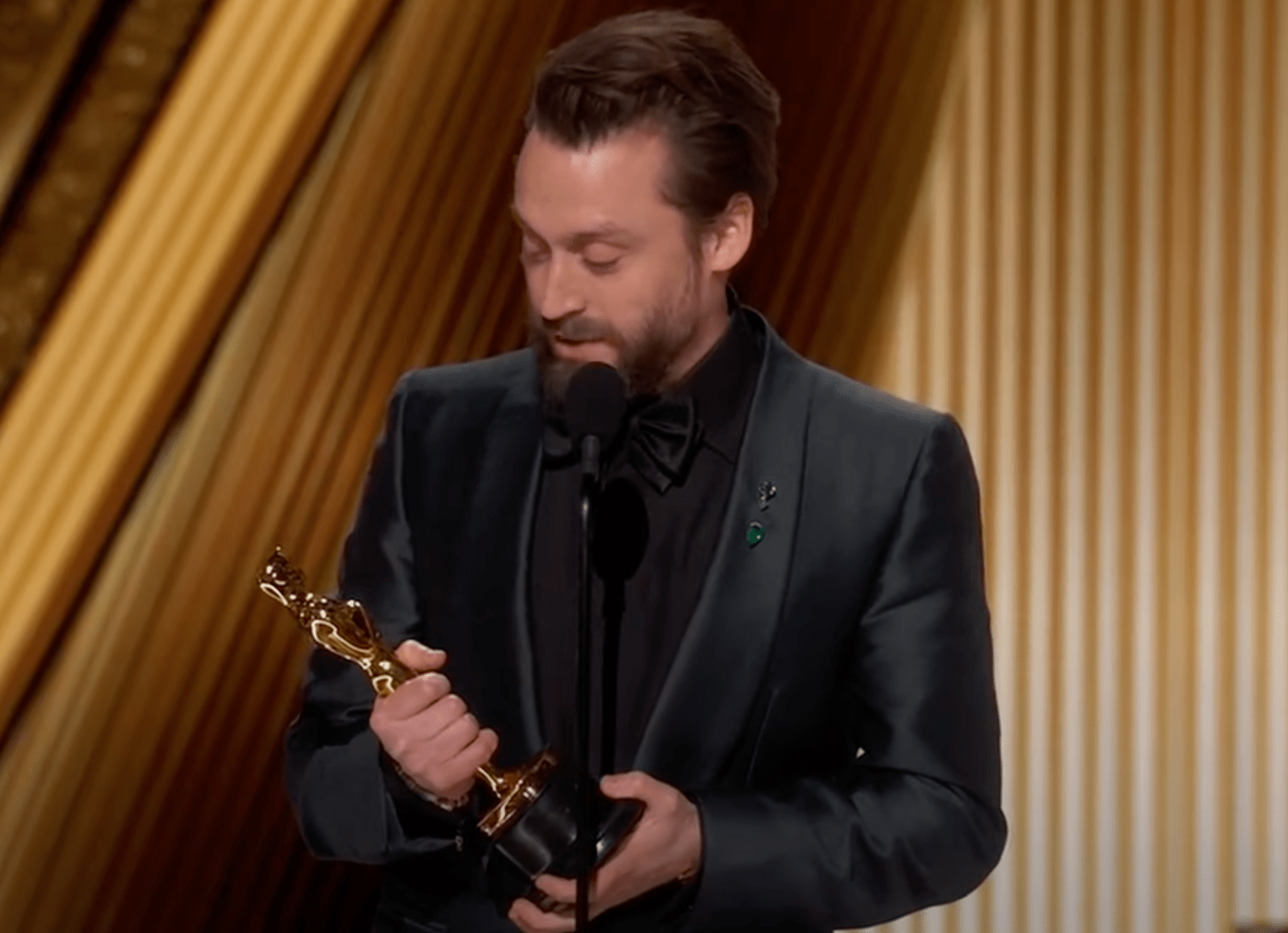
Kieran Culkin in his Oscars acceptance speech – YouTube, ABC News
READ: John Wick 5 Gains Momentum as Lionsgate Teases New Idea From Keanu Reeves and Chad Stahelski
However, it also added that, “If questions arise regarding the aforementioned use of Generative Artificial Intelligence, the Academy reserves the right to request more information about the nature of the use and human authorship.”
A Boundary for the AI Era
Ultimately, the Academy is trying to draw a boundary before technology erases one entirely. AI may continue to reshape filmmaking behind the scenes, but the Oscars are signaling that authorship, performance, and creative intent must still belong to people. As the tools improve and the lines blur further, preserving that distinction may become far more difficult than announcing it.
How do you feel about these new rules for the Oscars? Sound off in the comments and let us know!
UP NEXT: ‘The Mandalorian and Grogu’ Tracking For Worst Opening Weekend in ‘Star Wars’ History
