


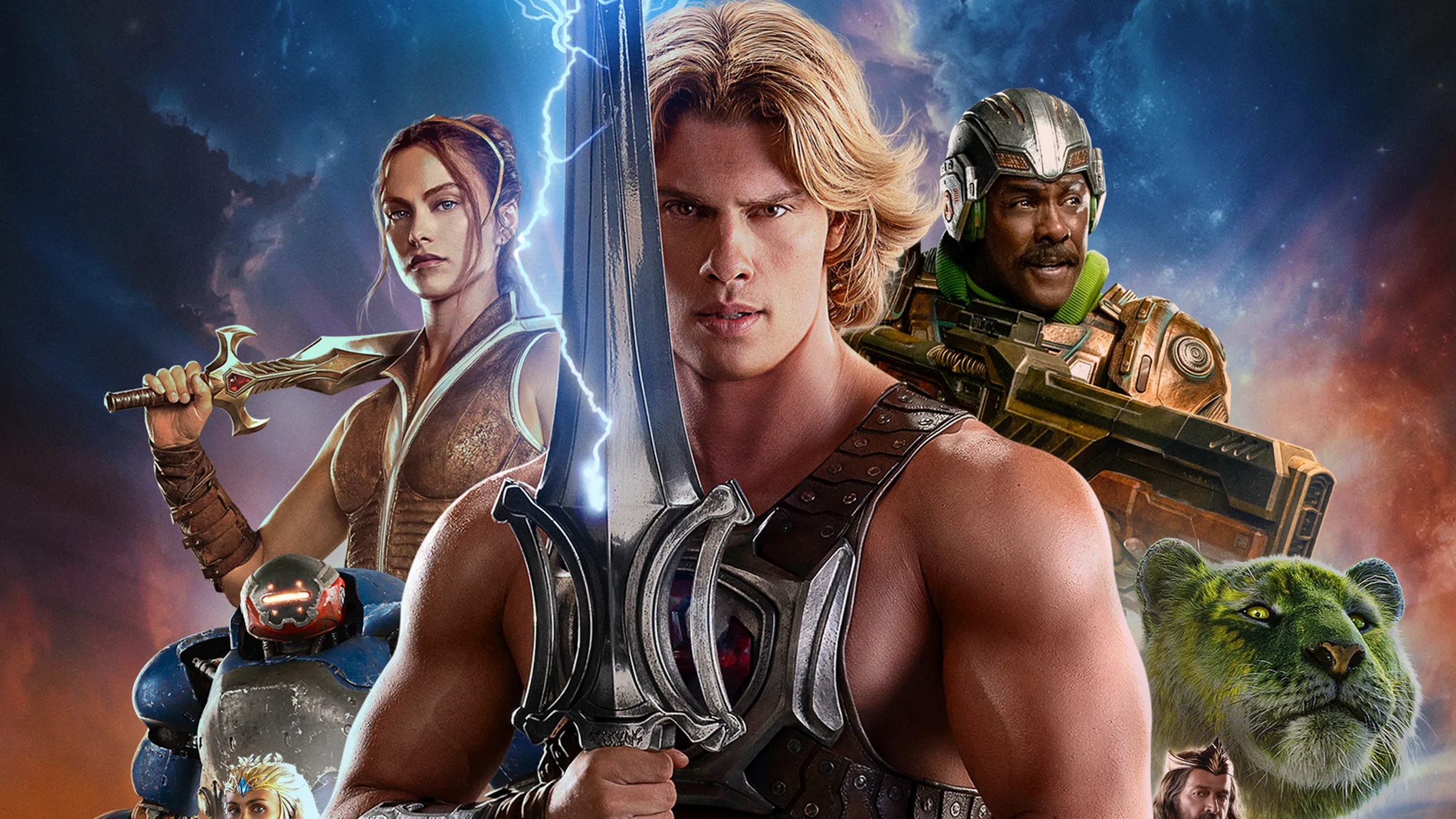
I recently took the time to watch and review Masters of the Universe, and as someone who would probably be considered a casual fan rather than a hardcore He-Man enthusiast, I left the theater with a lot of conflicting thoughts.
I grew up in the 1980s watching the original cartoon and reading the accompanying books. While I never owned the toys due to living overseas with my father during his military service, I was familiar with the characters and the world. One of my strongest memories is the reveal that She-Ra was Adam’s sister and seeing the relationship between those characters unfold. That story left an impression on me as a child.
I want to be clear about something: I am not a He-Man lore expert. I am not deeply invested in decades of continuity, and I don’t approach this film as someone looking to nitpick every deviation from canon. My criticism comes primarily from the perspective of story construction, character writing, and adaptation.
Why He-Man Mattered To An Entire Generation
One of the things that always stood out to me about He-Man was the role he played for young boys.
When I was growing up, the boys around me didn’t just watch He-Man—they admired him. He was the kind of hero they wanted to become. Much like Batman or Superman, He-Man represented an ideal: strength paired with responsibility, courage in the face of impossible odds, and the willingness to stand up for others even when it came at a personal cost.
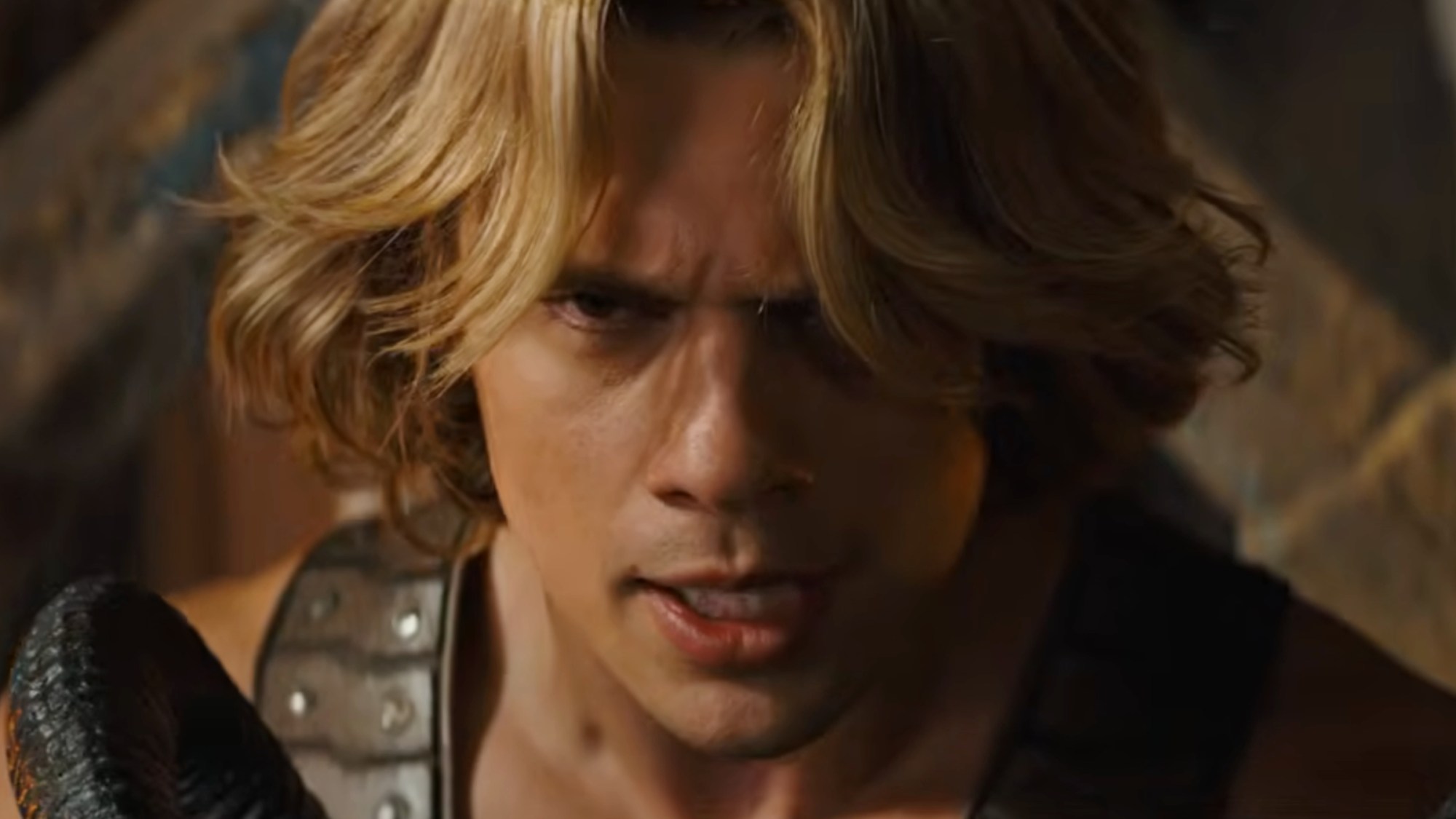
He Man in Masters of The Universe – Amazon MGM Studios
READ: ‘The Mandalorian and Grogu’ Beaten by YouTube Series Fathom Event in Third Weekend Box Office
For many children, especially boys, characters like that serve as benchmarks. They provide an image of what virtue, heroism, and maturity can look like. The goal isn’t that anyone literally becomes He-Man; it’s that they strive toward the qualities he embodies. These larger-than-life heroes give young audiences something to aspire to.
That is ultimately where this film lost me. I never saw that version of He-Man on screen. I never saw a character who inspired admiration or who felt worthy of emulation. Instead, I saw a watered-down version of the character that seemed hesitant to embrace the very traits that made him iconic in the first place.
Rather than presenting a hero who could inspire the next generation, the film often treated its own protagonist as a punchline.
The result feels less like an evolution of He-Man and more like a reinterpretation by creators who don’t fully understand why the character resonated for decades. They appear to understand the visual iconography—the sword, the muscles, the transformation—but not the aspirational qualities that made audiences care about him in the first place.
Boys need heroes and today’s media output is focused on tearing down heroes rather than providing them.
The Film’s Biggest Problem: How It Treats Male Characters
The biggest issue I had with the film was how it treated its male characters.
As someone who believes stories should be willing to celebrate positive masculine traits just as readily as they celebrate positive feminine ones, I found the portrayal frustrating. Too often, the film seemed unwilling to let its male characters be competent, admirable, or heroic without immediately undercutting them with a joke, insult, or moment of ridicule.
Whether it was Adam, Duncan, or several of the supporting characters, heroic moments rarely seemed allowed to stand on their own. The film appeared uncomfortable letting its male characters be competent or admirable without immediately diminishing them.
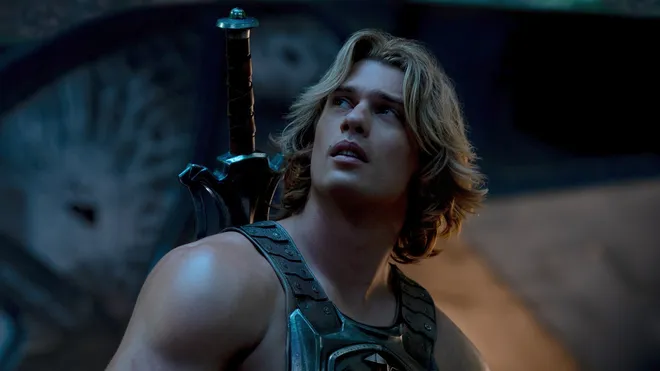
He Man in Masters of The Universe – Amazon MGM Studios
What stood out to me was that I didn’t see the same treatment applied to the female characters. When female characters succeeded, their accomplishments were generally allowed to remain accomplishments. Their competence was celebrated rather than mocked.
That imbalance became increasingly distracting as the film progressed. It wasn’t a single scene that bothered me; it was the repetition. Female characters seem increasingly protected from looking foolish in modern media, which is ironic considering many of us still treat parking between the lines at the grocery store like a side quest with optional objectives (aka, we still can’t park within the lines).
Flaws, mistakes, and moments of incompetence are part of being human. Good characters should be allowed to have them. When male characters are consistently mocked while female characters are consistently insulated from the same treatment, the result feels less like balanced storytelling and more like favoritism from the writers.
Storytelling Rule #1: Show Me, Don’t Tell Me
To be clear, I do not have major complaints about the cast, visual effects, production design, costumes, or world-building.
Most of the technical departments seemed to do solid work. My frustrations are almost entirely rooted in the writing and character interactions. In fact, if there is one thing this film does exceptionally well, it is telling rather than showing—and I do not mean that as a compliment.
The audience is repeatedly informed that Adam is talented, capable, intelligent, and uniquely qualified in various ways, but the film rarely demonstrates any of those qualities through his actions.

He-Man and Battle Cat in the Masters of the Universe Trailer – Amazon MGM Studios, YouTube
READ: Andrew Stanton Admits Toy Story 5 is All About Jessie – Is This Another Disney Bait and Switch?
We’re told he’s an exceptional human resources professional. We’re told he has skills that make him stand out. We’re told people respect his abilities. Yet when the story presents opportunities to prove those claims, the evidence simply isn’t there.
One scene in particular involves Adam attempting to mediate a conflict, delivering a line about there being “a lot of truth saying, but not enough truth listening.” The film seems to present this as wisdom, but anyone who has spent meaningful time dealing with workplace disputes, management, or human resources knows it comes across more like a corporate slogan than genuine conflict resolution.
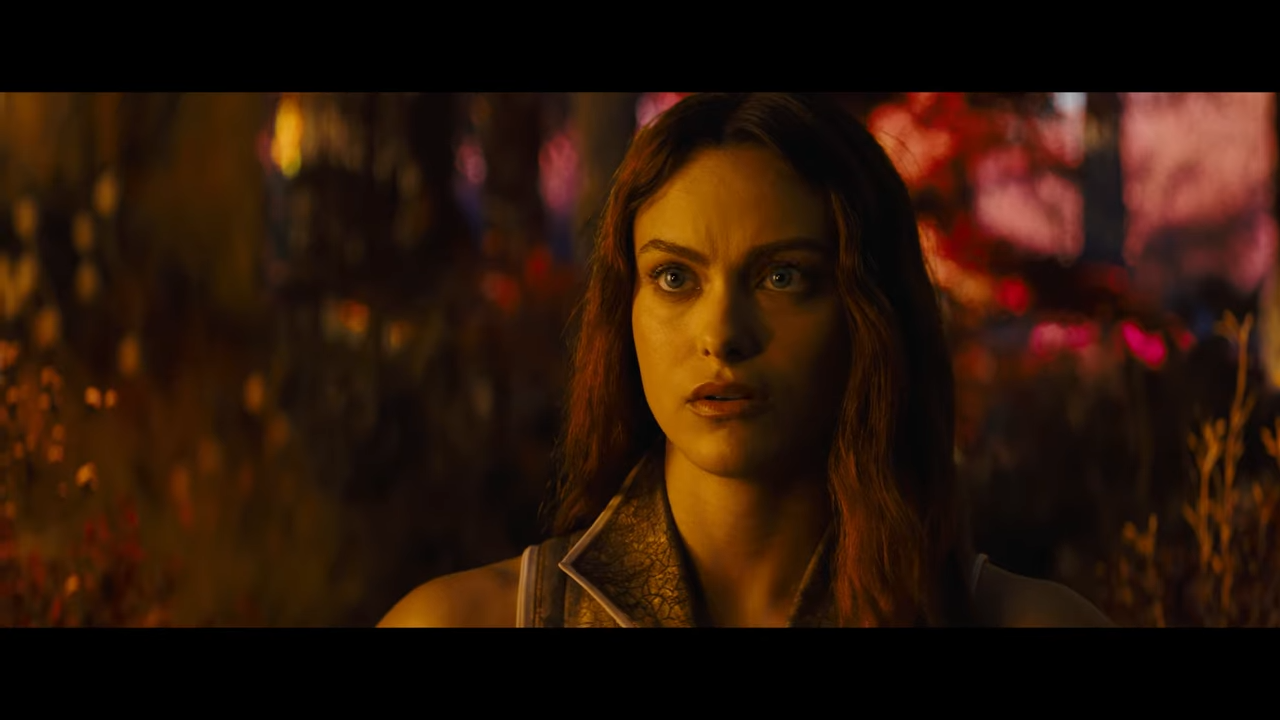
Teela in the Masters of the Universe trailer – Amazon MGM Studios, YouTube
That pattern repeats throughout the film. Whenever Adam is given the opportunity to showcase the qualities the audience has been told he possesses, the scene either turns into a joke or ends with him failing in some fashion.
This is one of the oldest principles of storytelling: if you want me to believe a character is exceptional, then show me.
Why Adam Never Feels Like The Main Character
Another issue is that Adam often feels secondary within his own story.
Teela serves as the primary driver of the plot for much of the film. In fact, if you remove her interventions, much of the narrative simply stops functioning. She moves the story forward, solves major problems, and provides momentum when other characters stall.

He Man in Masters of The Universe – YouTube, Amazon MGM Studios
There’s nothing inherently wrong with a strong supporting character, but when the title character consistently loses agency, it becomes difficult to view him as the true protagonist.
By the end of the film, Adam felt less like the hero of Masters of the Universe and more like the target of an ongoing joke.
Is Masters of the Universe A Good Adaptation?
I also found many of the adaptation choices questionable. Some changes to characters, relationships, and identities appeared less concerned with serving the story and more concerned with modern industry trends. Adaptations naturally require changes, but those changes should strengthen the narrative rather than distract from it.
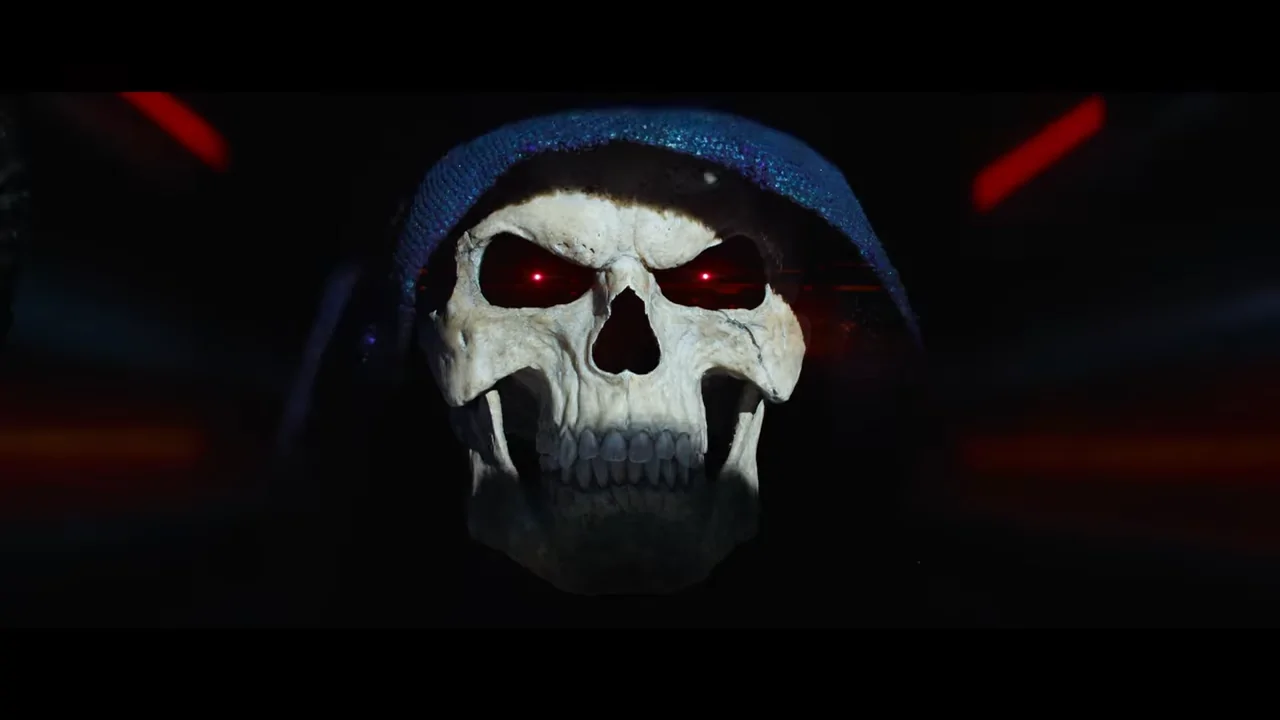
Jared Leto as Skeletor in Masters of the Universe – Amazon MGM Studios, YouTube
Ultimately, my disappointment comes from feeling that the film misunderstands what made Masters of the Universe appealing in the first place.
The original stories celebrated heroism, courage, responsibility, and larger-than-life adventure. This adaptation often seems more interested in deconstructing those ideas than embracing them.
Is Masters of the Universe Appropriate For Children?
Perhaps my final criticism is that I cannot comfortably recommend this movie to children. The original He-Man series was created with younger audiences in mind. This film, however, contains a surprising amount of sexual innuendo and adult humor.
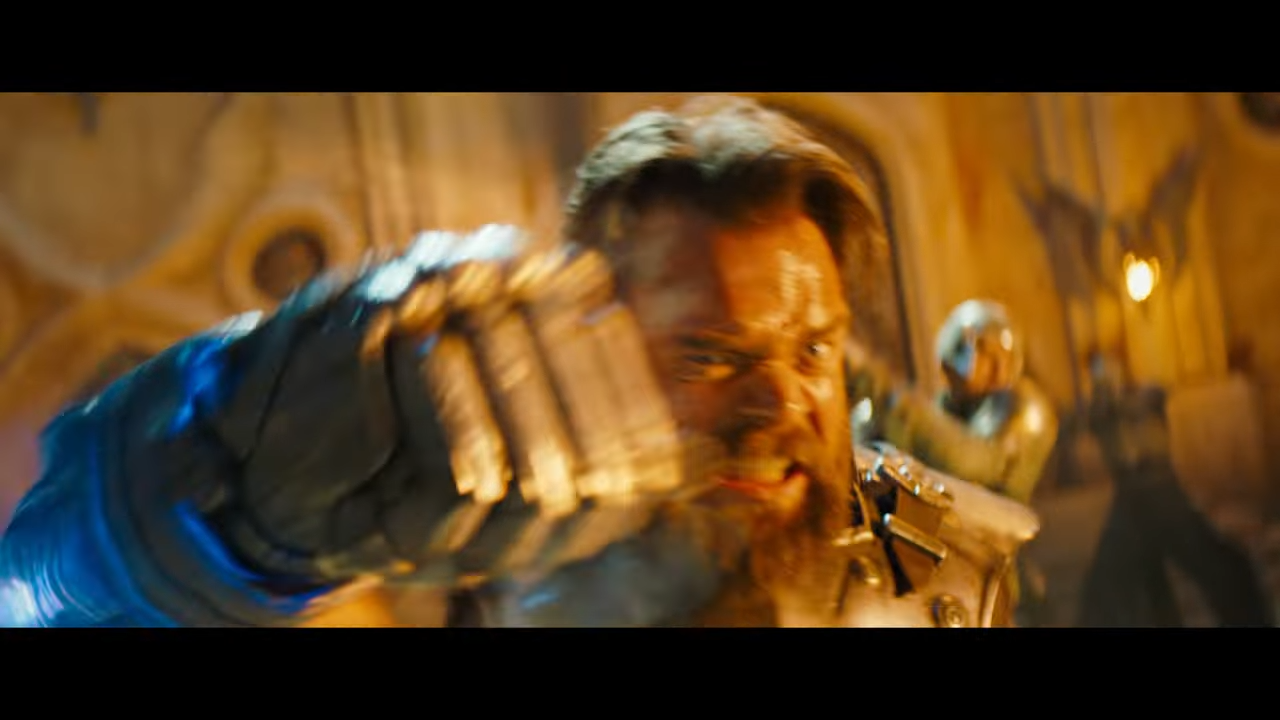
Fisto in Masters of the Universe – Amazon MGM Studios, YouTube
Everyone always talking about Adam’s muscles got awkward after a while. References and jokes involving topics that would have been completely absent from the original cartoon appear throughout the movie.
Whether those moments are considered funny is subjective, but they certainly move the film away from the family-friendly spirit many people associate with the franchise.
Final Verdict: Masters of the Universe Review Score
If you enjoyed the film, that’s perfectly fine. Entertainment is subjective, and I have no issue with people finding value in it where I did not.
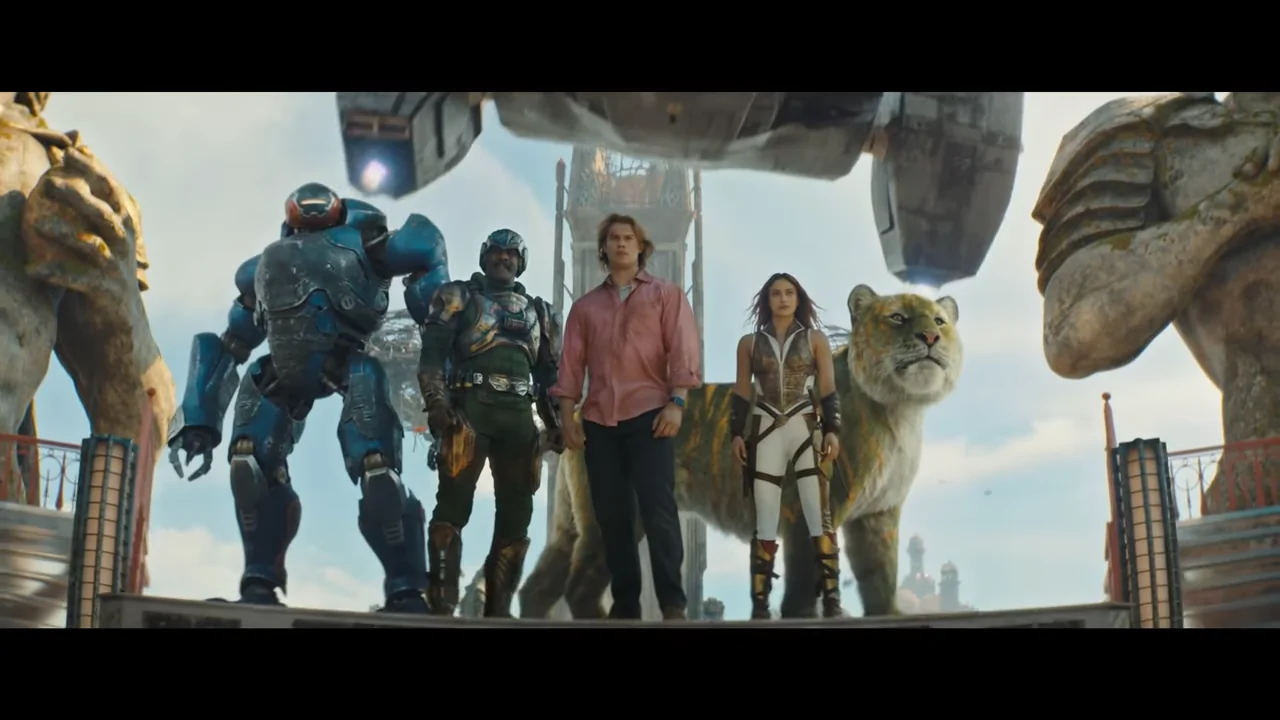
The main cast of Masters of the Universe – Amazon MGM Studios, YouTube
For me, however, the combination of weak character agency, uneven pacing, repetitive humor, unearned character moments, and a persistent tendency to diminish its male heroes made the experience frustrating from beginning to end.
I would not recommend it and I have no interest in watching it again.
Final Score: 1/10.
What’s your Masters of The Universe review? Sound off in the comments and let us know!
UP NEXT: Amazon Tries to Spin Masters of the Universe Box Office Disaster as a Success
