


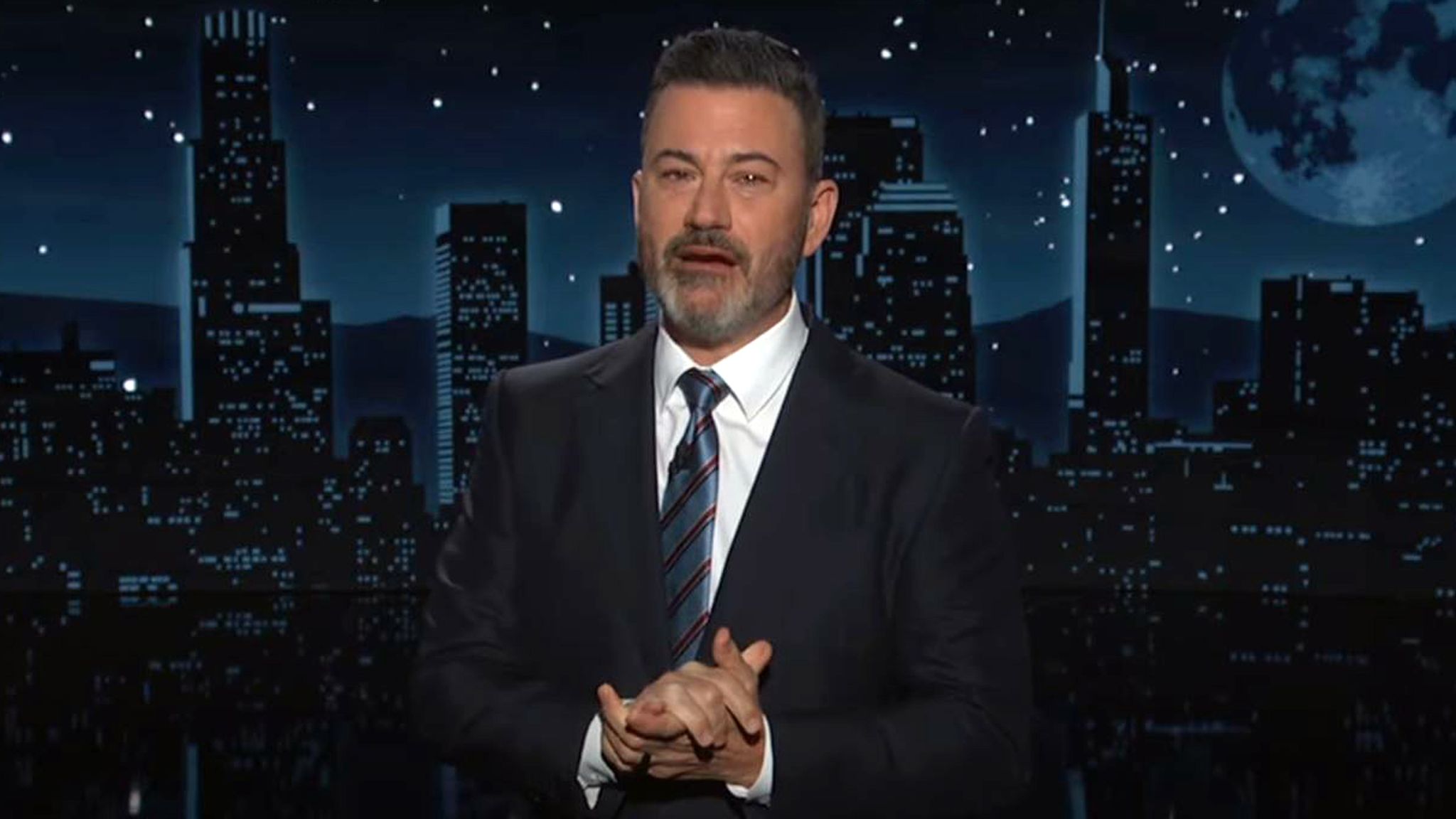
Jimmy Kimmel says the Federal Communications Commission (FCC) is effectively keeping his interview with Democratic Texas Senate candidate James Talarico off ABC, portraying the situation as political interference by President Donald Trump’s administration.
But that characterization leaves out a crucial part of what’s actually happening.
The FCC has not prohibited Kimmel from interviewing Talarico. Nor has it issued an order prohibiting ABC from broadcasting the interview.
Instead, ABC faces a longstanding federal requirement governing appearances by legally qualified political candidates on broadcast television. If Talarico appears and the interview doesn’t qualify for one of the law’s exemptions, other legally qualified candidates for the same office could request comparable broadcast opportunities.
READ: Mario Kart World Free Update Announced at Nintendo Direct
ABC could broadcast the interview and deal with any resulting equal-opportunities requests. Instead, Kimmel is putting the interview on YouTube, where the broadcast rule doesn’t apply.
That’s considerably different from the story Kimmel presented to his audience Wednesday night.
Kimmel Blames President Trump And The FCC
Kimmel announced Wednesday that Talarico will still sit down with him Thursday, but the interview will not appear during the ABC broadcast of Jimmy Kimmel Live!
Instead, viewers will have to watch it on the show’s YouTube channel.
“For the whole 20-plus years of our show, in fact, I’ve been interviewing Americans who are running for office with no problem at all,” Kimmel said.
The late-night host pointed to David Letterman, Jay Leno, and Arsenio Hall before listing candidates he has personally interviewed, including Hillary Clinton, Ted Cruz, and President Trump.
BREAKING: Jimmy Kimmel announces his interview with Texas Democratic Senate candidate James Talarico will NOT air on ABC tomorrow, saying Trump’s FCC has threatened him, his show, ABC, its affiliates, and local stations over “simple traditional editorial decisions” and guest… pic.twitter.com/VitDtSjHet
— MeidasTouch (@MeidasTouch) September 10, 2026
“I interviewed Donald Trump when he was running for president in 2015,” Kimmel said. “Now that he is president, his FCC has threatened me, threatened our show, threatened our network, ABC, our affiliates, our local stations based on simple traditional editorial decisions, guest bookings it would seem they don’t like.”
Kimmel said the decision to move the interview online was made out of consideration for ABC’s local stations, particularly its Texas affiliates.
“So if you want to learn about a candidate for the Senate tomorrow, you will have to go to the Jimmy Kimmel Live! YouTube channel where you will see it in its entirety,” he said.
Danielle Deadwyler with Jimmy Kimmel – YouTube, Jimmy Kimmel Live
READ: South Park Mocks Trump With Emmy Win
Kimmel added that “in the America we live in right now, that is the best that we can do until November.”
Except nothing in the FCC’s published guidance says Kimmel is prohibited from interviewing Talarico or that ABC is prohibited from airing it.
The issue is what could happen if ABC does.
What The Equal-Opportunities Rule Actually Says
The controversy centers on Section 315 of the Communications Act and what is commonly called the FCC’s “equal time” rule.
More accurately, it’s an equal-opportunities requirement.
Under Section 315, when a broadcast station allows a legally qualified candidate for public office to “use” its facilities, the station must afford equal opportunities to other legally qualified candidates seeking the same office.
Jimmy Kimmel and Joe Biden – YouTube, Jimmy Kimmel Live!
Importantly, that doesn’t necessarily mean an opposing candidate receives the identical program, interviewer, questions, or format.
The FCC describes the requirement as providing comparable time and placement.
There are also significant exemptions.
Appearances during bona fide newscasts, bona fide news interviews, certain news documentaries, and on-the-spot coverage of bona fide news events do not constitute candidate “uses” that trigger the equal-opportunities requirement.
And that’s where the actual dispute begins.
Jimmy Kimmel crying in his return monologue on ABC – YouTube, Jimmy Kimmel Live
Kimmel’s argument rests largely on the fact that late-night hosts have interviewed candidates for decades without routinely providing comparable appearances to every opponent.
The FCC’s position is that this history doesn’t automatically exempt every modern late-night talk show from Section 315.
FCC Says Late-Night Shows Don’t Automatically Get A Pass
The FCC’s Media Bureau addressed the issue directly in guidance released on January 21.
The agency specifically discussed late-night and daytime talk shows and warned broadcasters against assuming that every political interview conducted on those programs automatically qualifies for the bona fide news-interview exemption.
According to the FCC, determining whether a program qualifies requires looking at several factors.
The program must be regularly scheduled, the broadcaster or producer must maintain control over it, and decisions involving the show’s format, content, and participants must be based on legitimate news judgment rather than an intention to advance or disadvantage a particular candidate.
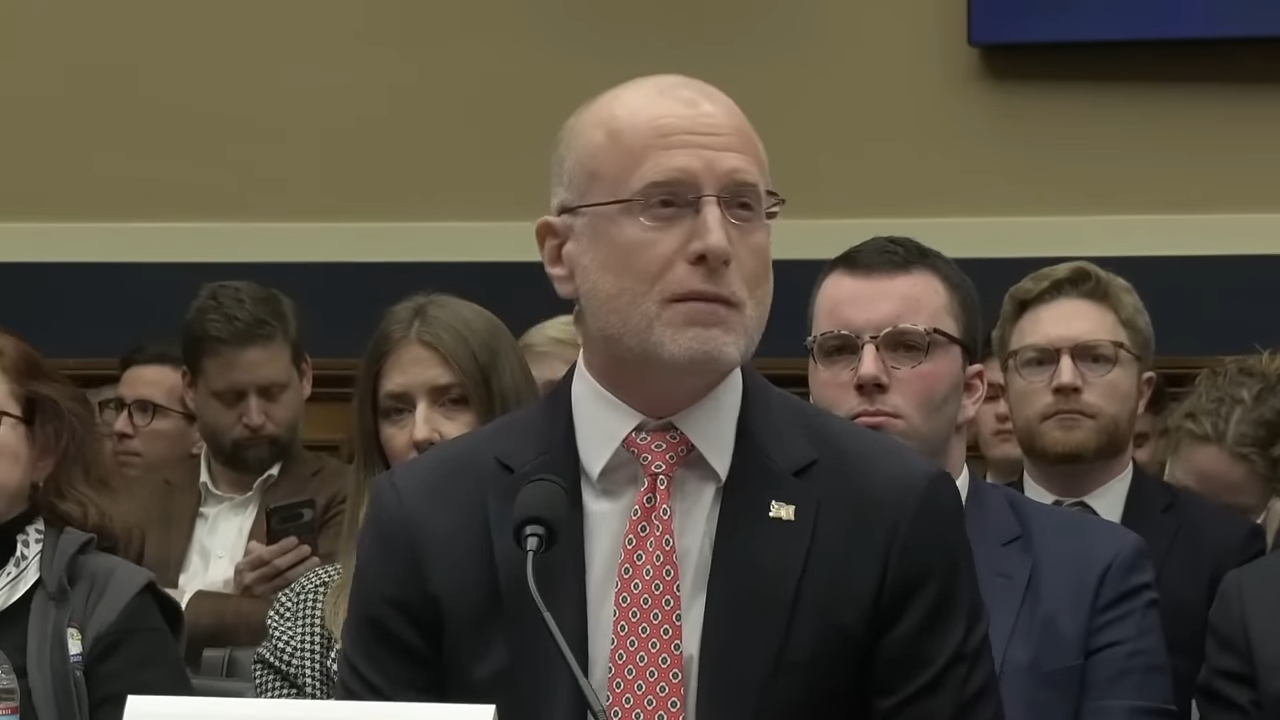
FCC Chair Brendan Carr testifies before House subcommittee – CBS News, YouTube
READ: Disney Reveals Narrators for EPCOT Candlelight Processional at Festival of The Holidays 2026
That last requirement becomes particularly relevant when entertainment programs increasingly engage in overt political advocacy.
The FCC also addressed a 2006 decision involving The Tonight Show with Jay Leno, which found that the interview portion of that particular program qualified for the bona fide news-interview exemption.
According to the agency, broadcasters subsequently treated that ruling as something much broader.
“Concerns have been raised that the industry has taken the Media Bureau’s 2006 staff-level decision to mean that the interview portion of all arguably similar entertainment programs — whether late night or daytime — are exempted from the section 315 equal opportunities requirement under a bona fide news exemption,” the FCC wrote. “This is not the case.”
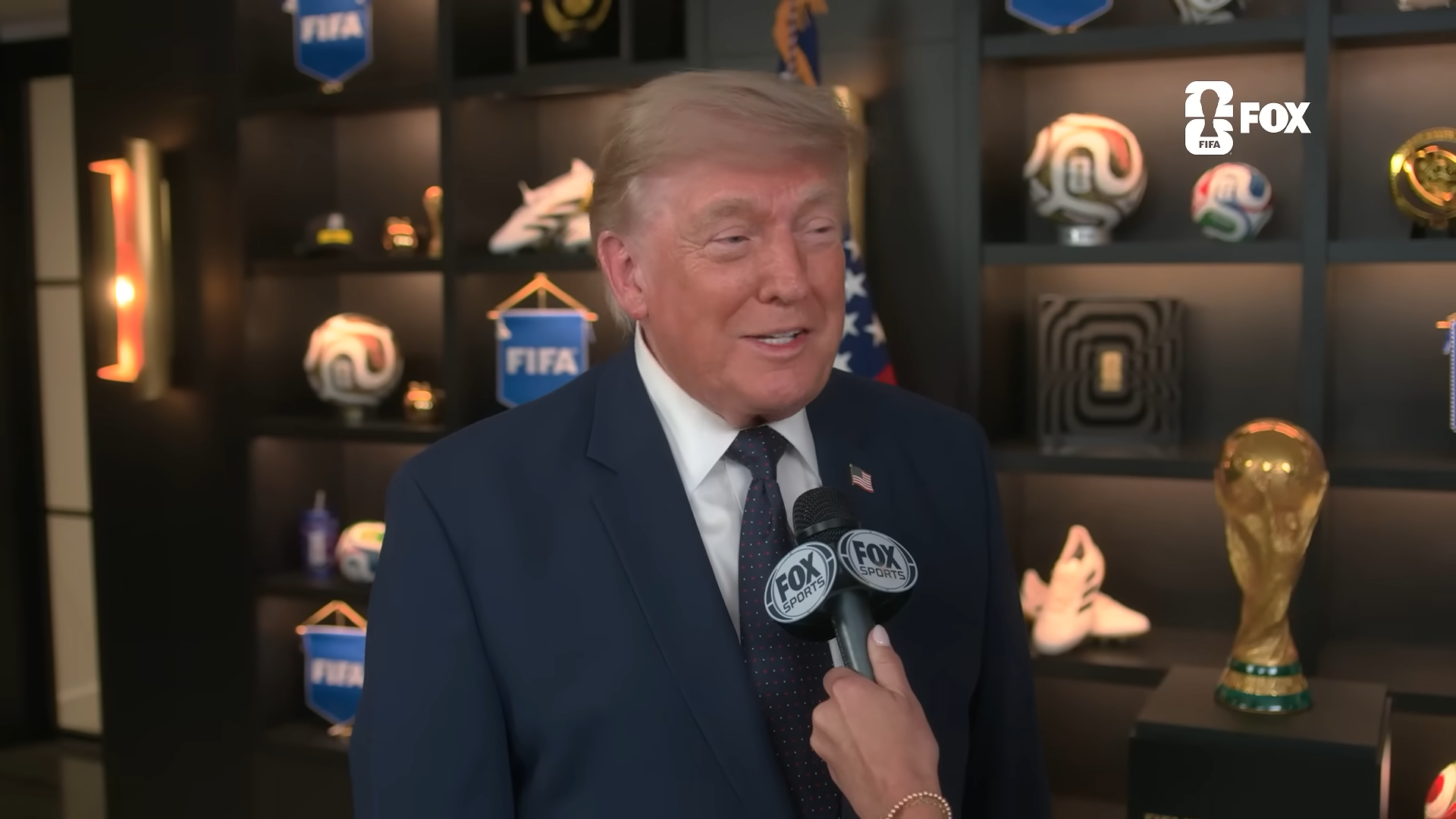
President Trump before the 2026 World Cup final – Fox Sports, YouTube
The agency emphasized that such determinations are fact-specific.
Programs that want certainty about whether they qualify can ask the FCC for a declaratory ruling.
That’s a much more complicated situation than the FCC simply deciding it doesn’t like James Talarico and preventing Jimmy Kimmel from interviewing him.
Brendan Carr Has Already Addressed Almost This Exact Controversy
Perhaps the biggest problem with Kimmel’s framing is that this isn’t even the first time the issue has arisen with Talarico.
Earlier this year, Talarico sat down for an interview with Stephen Colbert. That interview ultimately appeared online rather than during CBS’s broadcast of The Late Show.
The situation immediately produced accusations that the FCC had censored Talarico.

James Talarico and Stephen Colbert – YouTube, The Late Show With Stephen Colbert
FCC Chairman Brendan Carr pushed back. More importantly, CBS itself said The Late Show had not been prohibited from broadcasting the interview. According to a CBS statement subsequently quoted by Carr, the network provided the program with legal guidance explaining that broadcasting Talarico’s appearance could trigger the FCC’s equal-time rule for other candidates.
The show was given options for dealing with those requirements. It chose to put the interview online instead.
Carr subsequently wrote that “Broadcast TV stations aren’t prohibited from conducting any interview.”
The question isn’t whether Talarico is allowed to speak. It’s whether a federally regulated broadcast station can give one legally qualified candidate airtime without potentially creating corresponding obligations toward other legally qualified candidates.
Those are two very different things.
The FCC’s Interpretation Is Being Challenged
Critics of FCC Chairman Brendan Carr argue that the agency is narrowing a news-interview exemption that broadcasters have relied upon for years and that the resulting uncertainty is chilling political coverage.
Democratic FCC Commissioner Anna Gomez has been among those criticizing the agency’s approach, while ABC and the FCC are already engaged in a broader legal fight involving the network’s broadcast licenses.
Kimmel clearly believes the FCC’s current posture represents political pressure from the Trump administration.
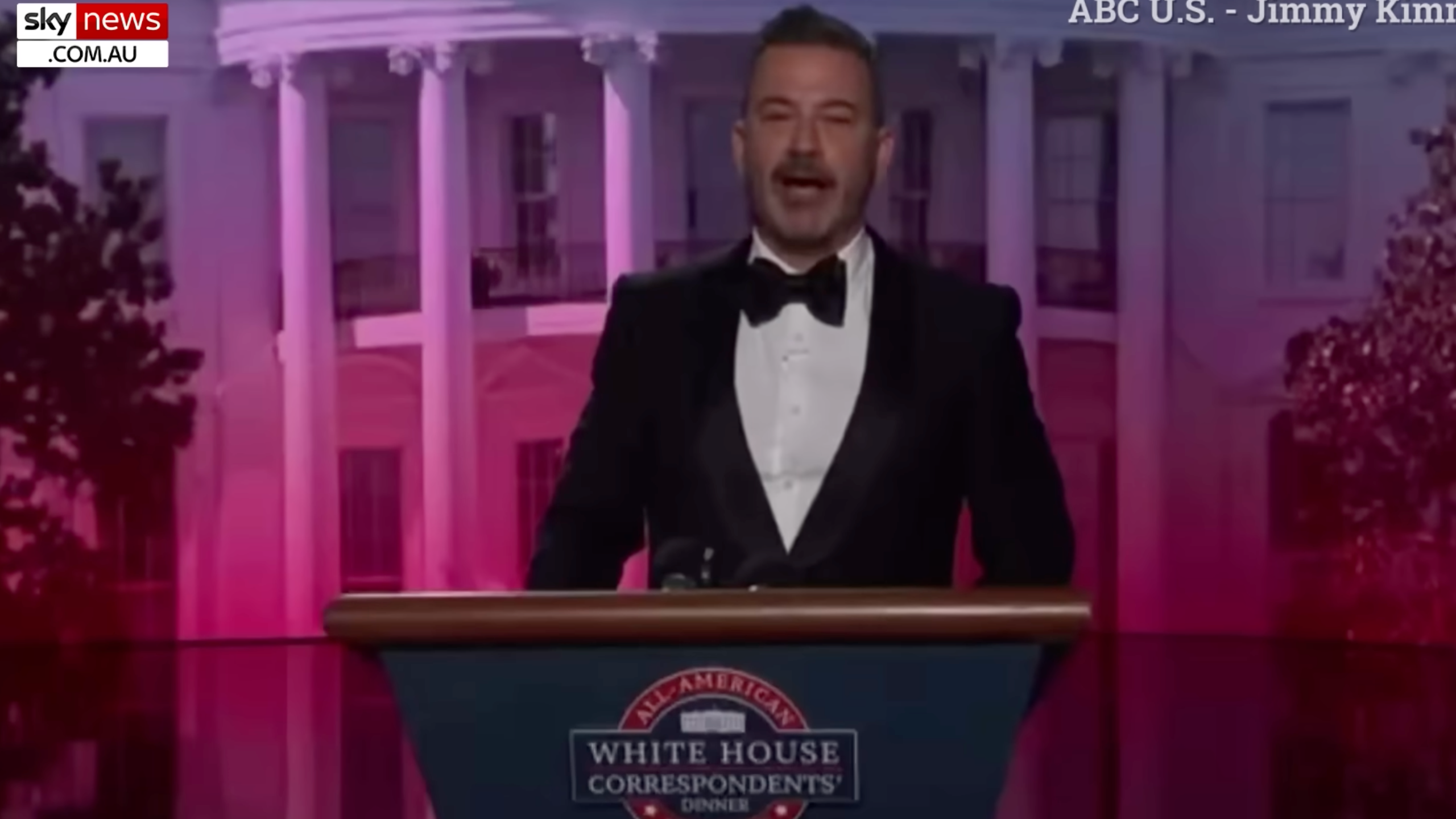
Jimmy Kimmel jokes that Melania Trump has a “glow like an expected widow” on his show days before an attempt was made on President Trump’s life – YouTube, SkyNews Australia
That disagreement deserves to be reported.
But disagreement over whether the FCC is interpreting the exemption too narrowly isn’t the same thing as claiming the FCC is prohibiting Kimmel from interviewing a Democratic candidate.
And Kimmel’s suggestion that the controversy is simply about “guest bookings it would seem they don’t like” skips over the federal law at the center of the dispute.
The Law Has Been Around For Decades
Section 315 isn’t something President Trump or Carr invented to deal with Jimmy Kimmel.
The equal-opportunities requirement dates back decades. Congress created exceptions for bona fide newscasts, bona fide news interviews, documentaries under certain circumstances, and coverage of bona fide news events.
The present fight is over whether programs like Jimmy Kimmel Live! automatically fall within those exceptions and how broadly previous FCC decisions should be interpreted.
Kimmel believes the FCC’s position is improperly interfering with ABC’s editorial judgment.
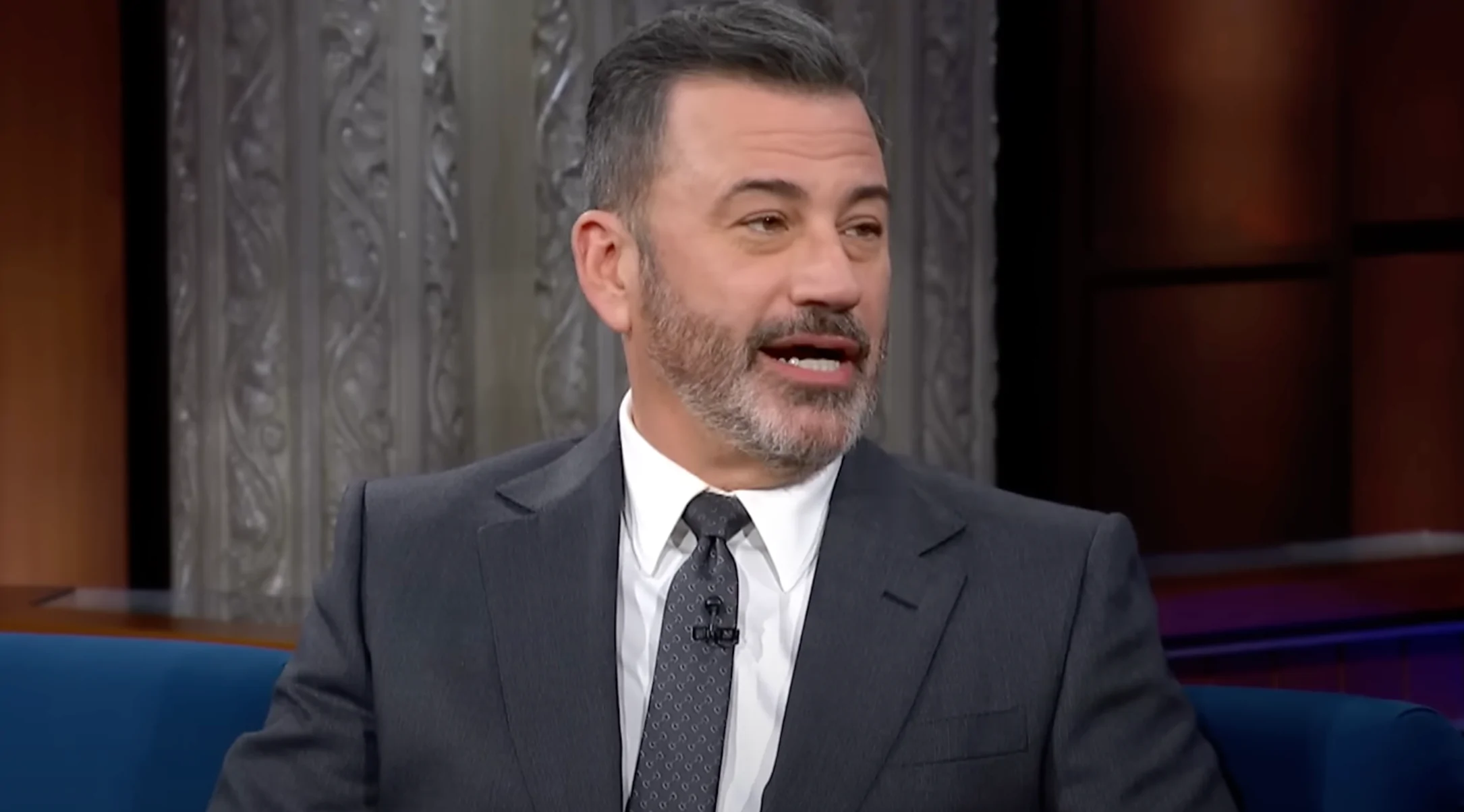
Jimmy Kimmel on Colbert – YouTube, The Late Show With Stephen Colbert
The FCC argues broadcasters can’t simply assume that every late-night entertainment program qualifies for an exemption because the agency granted one to Jay Leno’s Tonight Show two decades ago.
ABC, meanwhile, appears unwilling to risk the consequences of testing the issue with Talarico, so the interview is going to YouTube.
Kimmel can conduct it, Talarico can participate, the public can watch it, and ABC could broadcast it, subject to the federal equal-opportunities requirements that may follow.
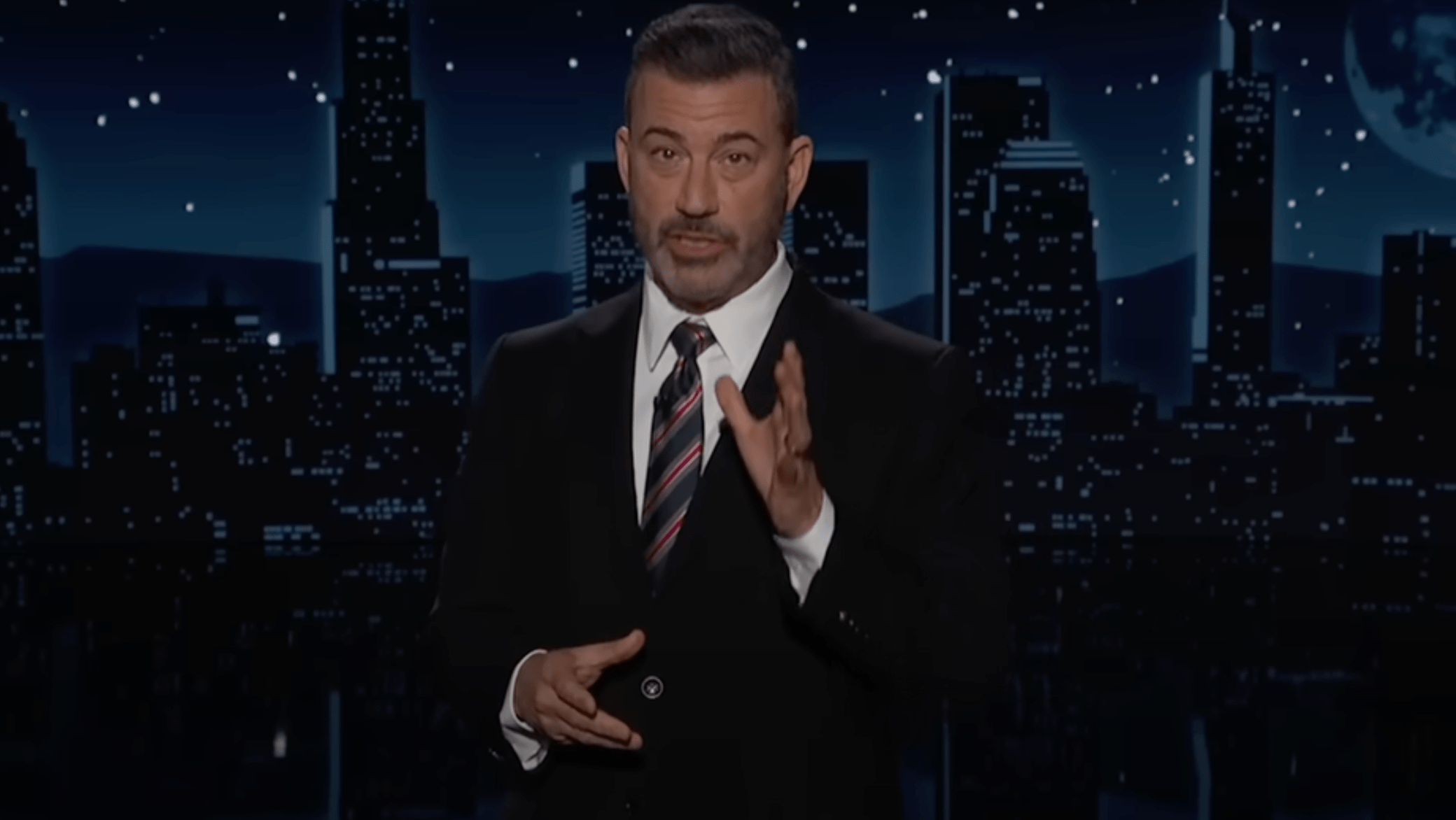
Jimmy Kimmel crying again in his return monologue on ABC – YouTube, Jimmy Kimmel Live
Whatever Kimmel thinks of those requirements or the FCC’s current interpretation of them, that’s not the same thing as the government telling him he isn’t allowed to interview James Talarico.
What do you think about this issue with Jimmy Kimmel and his James Talarico interview? Sound off and let us know!
UP NEXT: Andrew Garfield’s Attacks on the Rich Are Ludicrous and Hypocritical
