


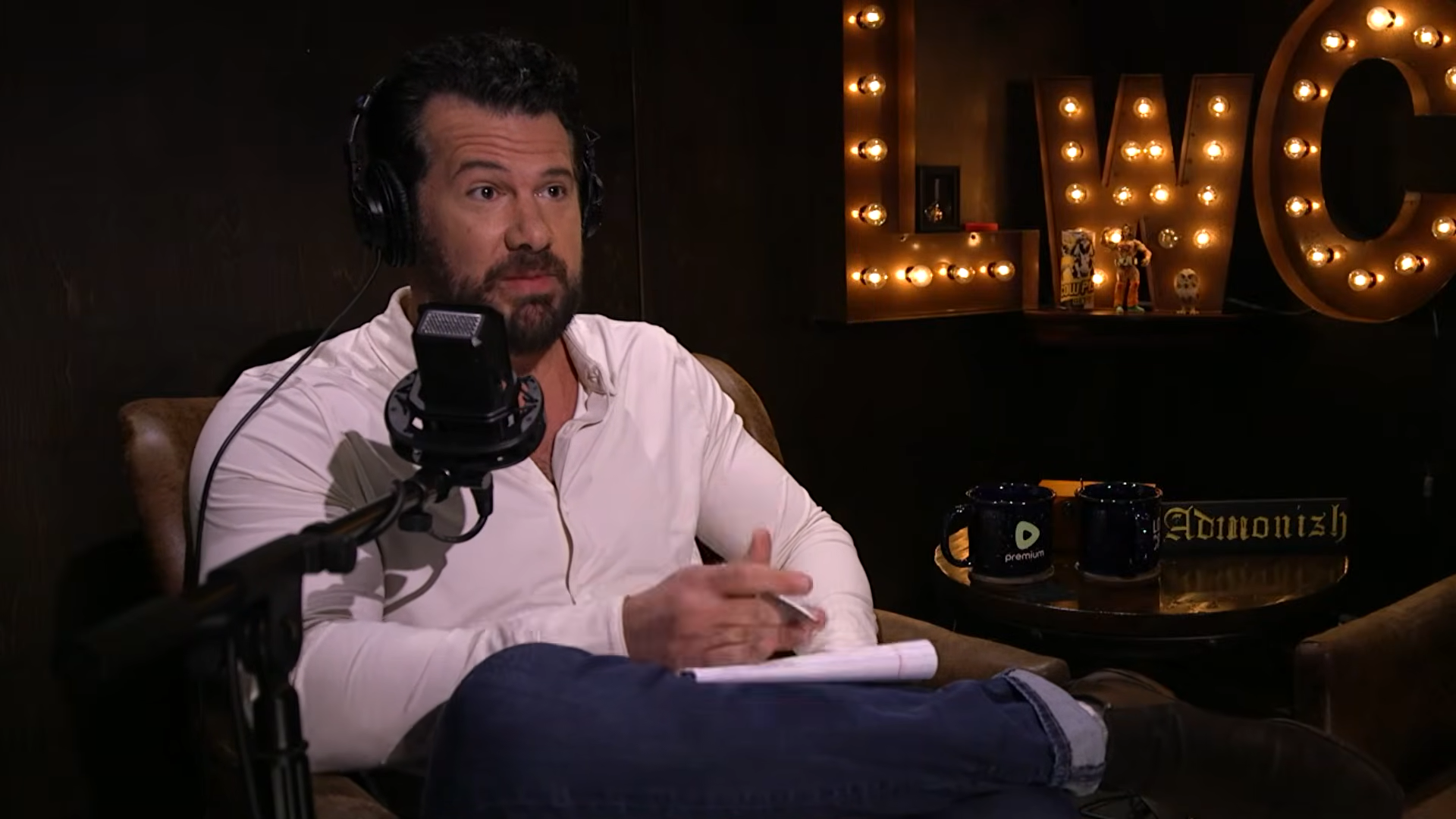
Steven Crowder says he is suing CNN after the network used “Change My Mind” for a segment featuring Democratic Senate candidate James Talarico.
The conservative commentator also named Jubilee Media and Talarico as targets of the announced legal action. He argues that the town hall borrowed branding he spent years building through his signature public debates.
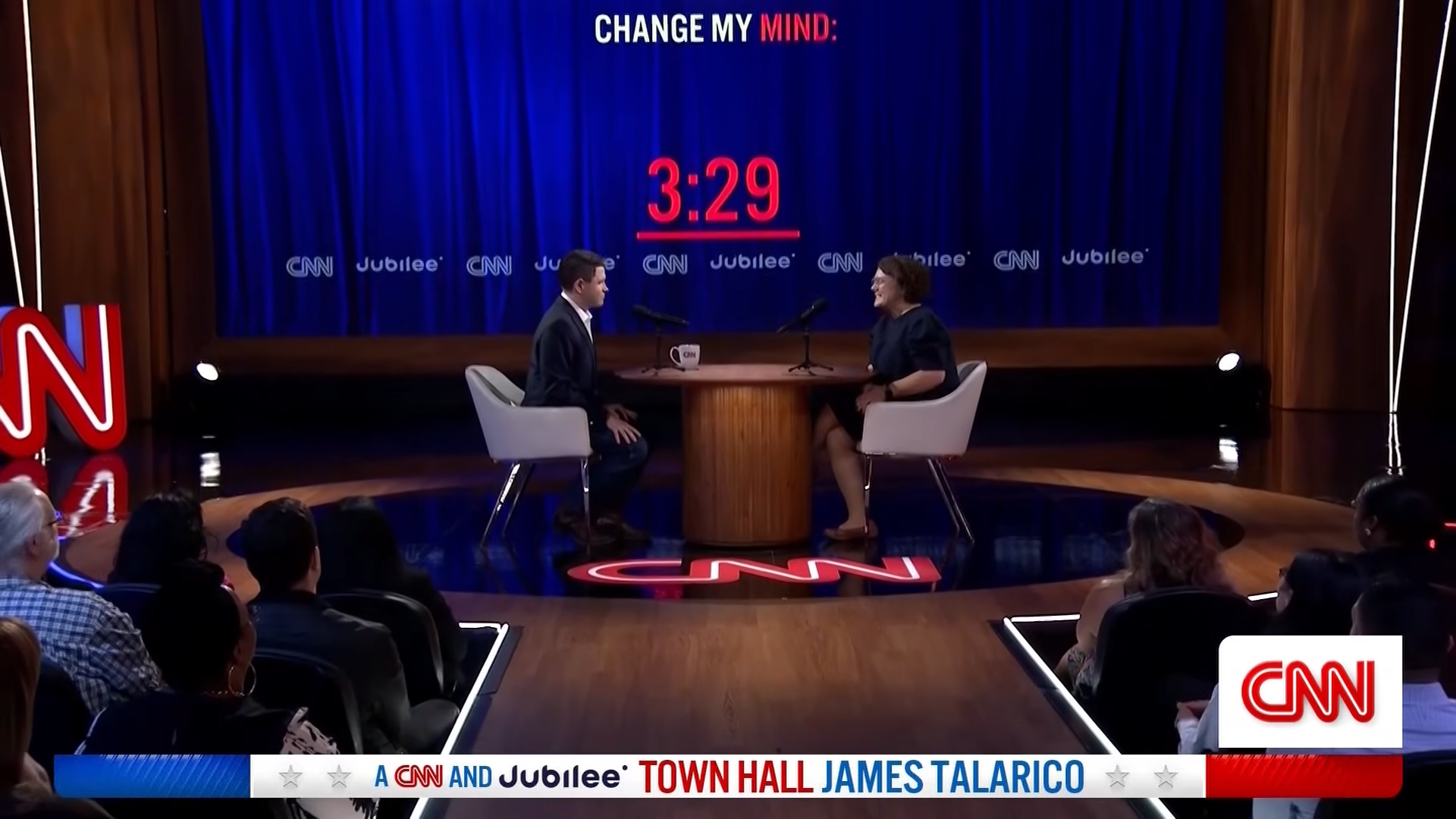
James Talarico at CNN’s town hall event – CNN, YouTube
READ: Rise of the Resistance Joins Extended Evening Hours at Hollywood Studios
“Last night, they just ripped it off on purpose,” Crowder said on his show. “I do not want Change My Mind to help James Talarico ruin Texas.”
What began as a street-debate series in 2017 evolved into a widely recognizable meme template. Now, “Change My Mind” is at the center of a dispute over the boundaries between independent creators and legacy media.
Crowder’s allegations remain unproven. However, the controversy raises a broader question: how should established networks treat the creative work of the online personalities competing with them?
Crowder Announces Legal Action Against CNN
CNN partnered with Jubilee for an October 14 town hall featuring Talarico, the Democratic candidate in Texas’ Senate race. Moderated by Erin Burnett in Fort Worth, the event included direct exchanges between the candidate and voters.
CNN’s coverage repeatedly identified part of the event as “Change My Mind.” One network transcript described an opportunity for a voter to sit near Talarico and have a conversation.
Crowder responded the following day, accusing the organizers of appropriating his work.
We’re suing. Not just CNN. Jubilee and James Talarico, as well.
Change My Mind is a registered trademark.
I was rejected by cable news for this exact concept. We took the risk. We paid the cost. Now everyone else swoops in with investors and donors, steals it, and profits. https://t.co/InsUfpPE6d
— Steven Crowder (@scrowder) October 15, 2026
“We’re suing. Not just CNN. Jubilee and James Talarico, as well,” he said.
He asserted that “Change My Mind” is a registered trademark and said cable news had previously rejected the concept. His complaint centers on the time, money, and risk involved in developing a brand that he now accuses others of exploiting.
From Street Debates to an Internet Meme
The format predates the viral photograph many people associate with Crowder.
By December 2017, he was publishing “Change My Mind” videos, taking controversial positions and inviting members of the public to challenge him. A table, a sign, and face-to-face disagreement became the series’ defining features.
Its cultural reach expanded dramatically in February 2018.
According to Know Your Meme, Crowder posted a photograph outside Texas Christian University on February 16. The sign read, “Male privilege is a myth / Change my mind.”
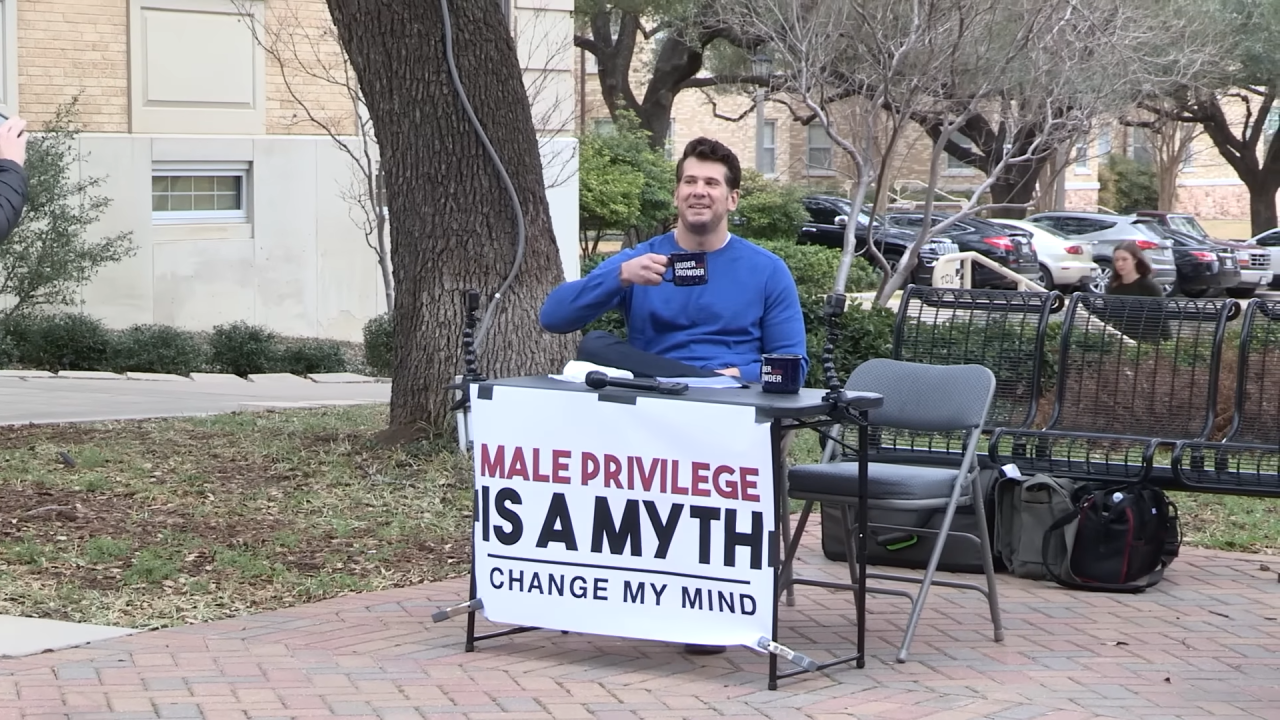
Steven Cowder outside Texas Christian University – StevenCrowder, YouTube
Internet users began replacing the statement with their own opinions and jokes. The photograph spread across social platforms, becoming a reusable template with an audience extending well beyond Crowder’s viewers.
People no longer needed to recognize the commentator or follow his politics to understand the joke. His debate setup had become part of the internet’s visual vocabulary.
That reach helps explain why the phrase and presentation remain associated with his program, even among people who never watch it.
New Media Pushes Back Against Legacy Media
The dispute also illustrates how closely traditional and digital media now overlap. Jubilee is itself a digital media company, and its partnership with CNN brought an online debate approach to a television town hall.
Axios reported that the arrangement gave CNN access to Jubilee’s younger, digitally native audience. The partnership reflects the value established networks see in online formats and the viewers they attract.
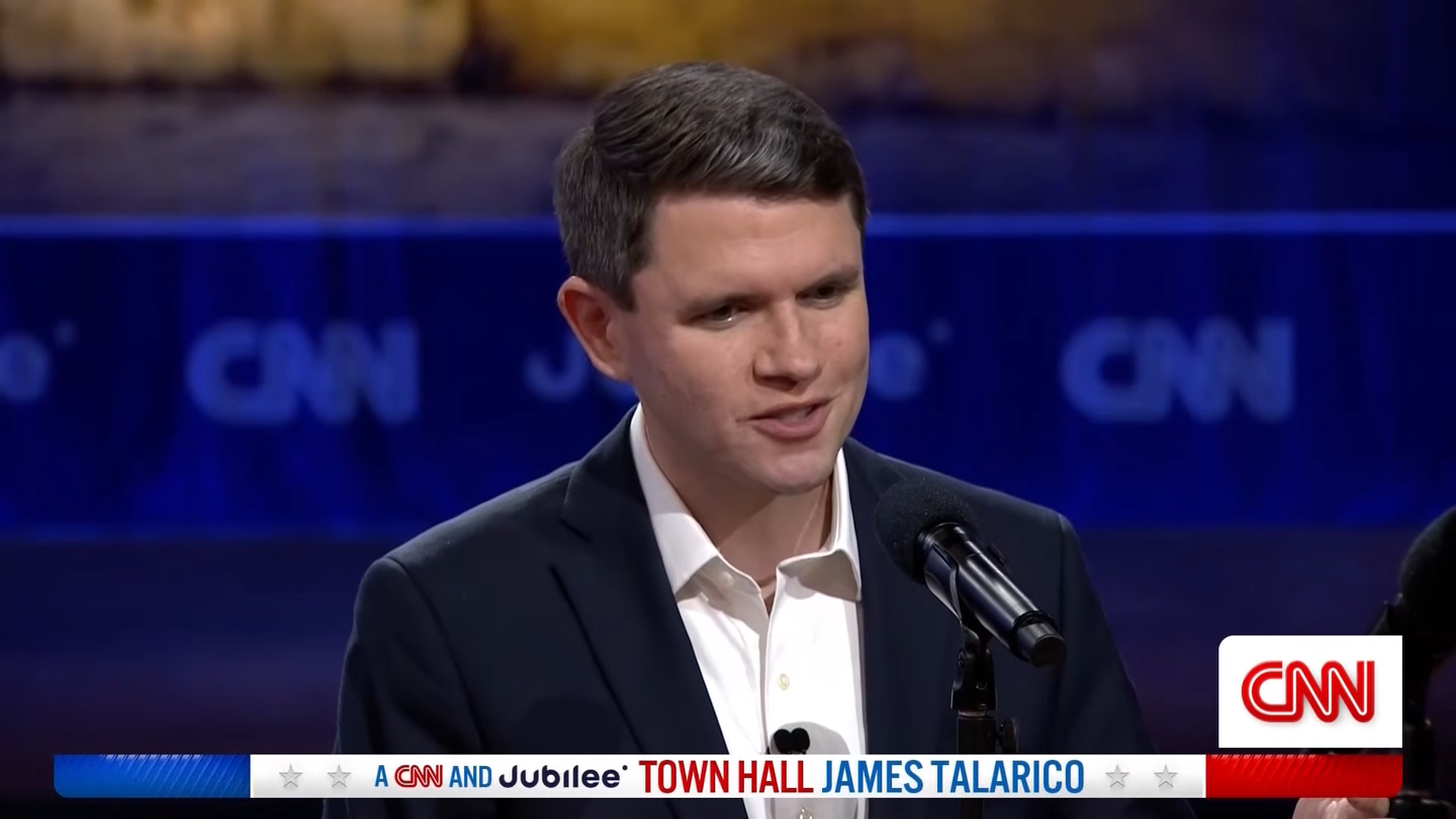
Democratic Senate candidate James Talarico at a CNN town hall – CNN, YouTube
READ: REVIEW: ‘Digger’ is Pretentious Oscar Bait That Strikes Out
Independent creators pushing back against powerful broadcasters can be a healthy development. Networks should expect scrutiny when adopting branding and presentation closely associated with competitors who built their audiences outside traditional television.
Whether Crowder has a successful legal claim is a separate question. His accusations deserve examination, and a recognizable resemblance does not, by itself, resolve the dispute.
Still, the progression is striking: a street-debate series became a popular meme, then a brand its creator considers worth defending through legal action. Whatever comes of Crowder’s announcement, the dispute underscores how online creators have become competitors whose work established broadcasters cannot simply take for granted.
What do you think about Steven Crowder suing CNN? Sound off and let us know!
