



Andrew Garfield has once again thrown his support behind the idea of a gay Peter Parker, more than a decade after the former Amazing Spider-Man star first publicly floated the possibility.
But this time, Garfield went a little further.
Speaking with Entertainment Weekly while promoting his new film The Uprising, Garfield revisited comments he made during his tenure as Spider-Man in which he questioned why Peter Parker couldn’t be gay or bisexual.
Garfield told the outlet that his comments at the time were “an exercise in rebellion that I felt passionate about.”
READ: Lanterns Cast and Crew Defend and Praise John Stewart’s Mother as a “Super Hero Without The Cape”
“I just still believe that anyone can be in that suit,” Garfield said.
The actor argued that part of Spider-Man’s appeal is that once the mask goes on, virtually anyone can imagine themselves underneath it.
“You can’t see the color of someone’s skin. You can’t see someone’s gender. You can’t see someone’s sexual orientation,” Garfield said.
Spider-Man has arguably demonstrated that concept better than almost any superhero in modern popular culture. But Garfield then offered a considerably more provocative assessment of anyone who might disagree with where he takes that argument.
“You’ll be telling on yourself if you have a strong opinion either way,” he said.
Garfield Isn’t Just Talking About Anyone Wearing the Mask
There is an important distinction here that can easily get lost in the broader conversation.
The question isn’t whether a gay character can become Spider-Man.
That has already happened.
Marvel introduced Web-Weaver, Cooper Coen, in 2022’s Edge of Spider-Verse #5. Marvel’s official description of the issue describes Web-Weaver as a fashion designer who gains spider powers, while the character was widely promoted at the time as Marvel’s first gay Spider-Man.
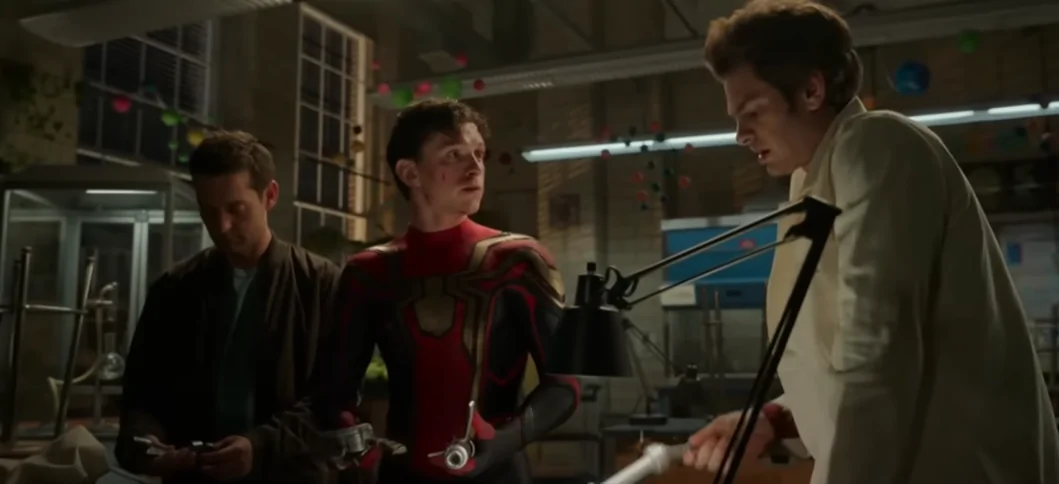
Tobey Maguire as Peter Parker, Tom Holland as Peter Parker, and Andrew Garfield as Peter Park in Spider-Man: No Way Home (2021), Marvel Studios
The Spider-Verse has long operated on the premise that practically anyone can become a Spider hero.
Miles Morales, Gwen Stacy, Miguel O’Hara, and Cooper Coen all aren’t Peter Parker. Garfield’s original proposal, however, was specifically about changing Peter Parker.
Back in 2013, Garfield openly questioned why Peter couldn’t explore his sexuality and even suggested replacing Mary Jane Watson with a male romantic interest.
“What if MJ is a dude?” Garfield recalled asking.
Garfield went so far as to suggest Michael B. Jordan for the role, floating the possibility of exploring what he described at the time as “interracial bisexuality.”
That’s a substantially different proposition from saying anyone can wear Spider-Man’s mask.
Peter Parker Is a Character, Not a Blank Canvas
This is where Garfield’s argument becomes strange.
Yes, anyone can theoretically wear the Spider-Man costume. That doesn’t mean Peter Parker can therefore be anyone.
Peter Parker is an established fictional character with more than six decades of history. He has a personality, family, relationships, motivations, successes, failures, and recognizable characteristics that collectively make him Peter Parker.
The fact that Spider-Man’s costume hides the identity underneath it is precisely what allowed Marvel to create Miles Morales without compromising or otherwise changing Peter Parker.
That’s the beauty of the mantle.
Marvel didn’t need to change Peter’s race to create a Black Spider-Man. It created another character who could carry the mantle while maintaining a distinct identity.
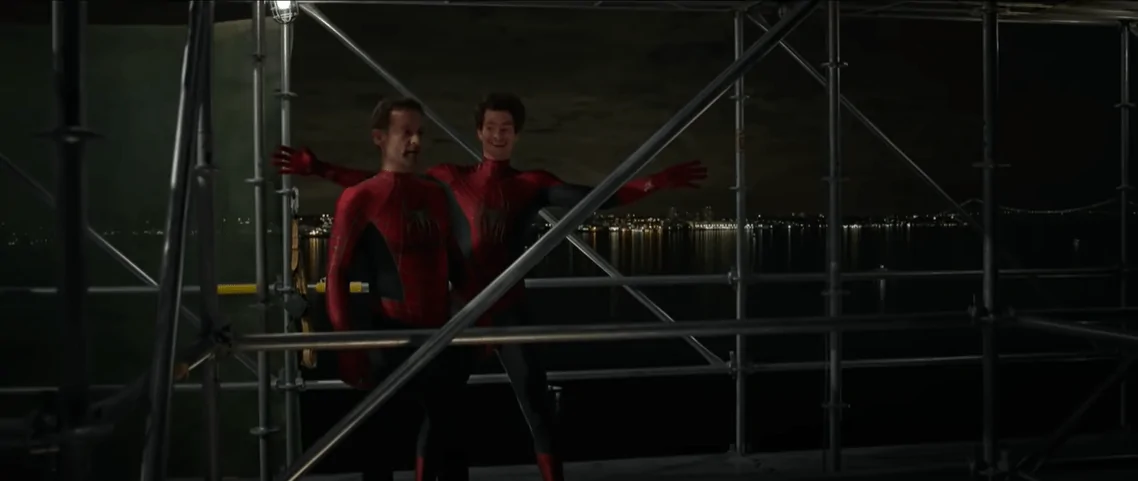
Tobey Maguire as Spider-Man and Andrew Garfield as Spider-Man in Spider-Man: No Way Home (2021), Sony Pictures
READ: George Clooney Defends Mark Ruffalo and Takes Aim at Paramount-Warner Bros. Merger
The same logic applies here.
If Marvel wants gay Spider heroes, the Spider-Verse provides virtually unlimited opportunities to create them. In fact, Marvel has already done exactly that with Web-Weaver.
So why does Peter Parker himself need to change?
And why should fans having a “strong opinion” about changing a defining characteristic of a character they’ve followed for decades amount to them “telling on” themselves?
Fans object to radical changes to fictional characters for all sorts of reasons, including an attachment to continuity and source material.
Someone wanting Clark Kent to remain Clark Kent doesn’t inherently indicate hostility toward somebody who isn’t Clark Kent. Neither should wanting Peter Parker to remain Peter Parker.
Marvel Once Had Very Specific Rules About Peter Parker
There is another fascinating piece of history surrounding this discussion.
During the infamous Sony email leak in 2015, documents detailing Marvel’s reported “character integrity obligations” for Spider-Man became public.
Those provisions reportedly included requirements concerning what Peter Parker could and couldn’t be depicted doing, including a stipulation that Peter Parker was heterosexual.

Peter Parker/Spider-Man in the trailer for Spider-Man: Brand New Day – Sony, YouTube
There was reportedly a distinction between Spider-Man as a superhero identity and Peter Parker specifically: another version of Spider-Man could potentially be portrayed differently if Marvel had already established that character that way in the comics.
In other words, even the contractual framework surrounding the character reportedly recognized the same distinction Garfield’s argument now blurs.
Spider-Man can be many people. Peter Parker is one particular person.
Stan Lee Wanted Peter Parker to Remain White and Straight
Spider-Man co-creator Stan Lee actually addressed this issue more than a decade ago — and came to a very different conclusion than Garfield.
Following the 2015 Sony email leak, Lee argued that established characters shouldn’t be fundamentally changed.
“I think the world has a place for gay superheroes, certainly,” Lee said at the time. “But again, I don’t see any reason to change the sexual proclivities of a character once they’ve already been established.”
Lee made the same argument regarding Peter’s race, saying, “We originally made him White. I don’t see any reason to change that.”
Crucially, Lee wasn’t opposed to gay or non-White superheroes. His solution was to create new characters rather than rewrite existing ones.
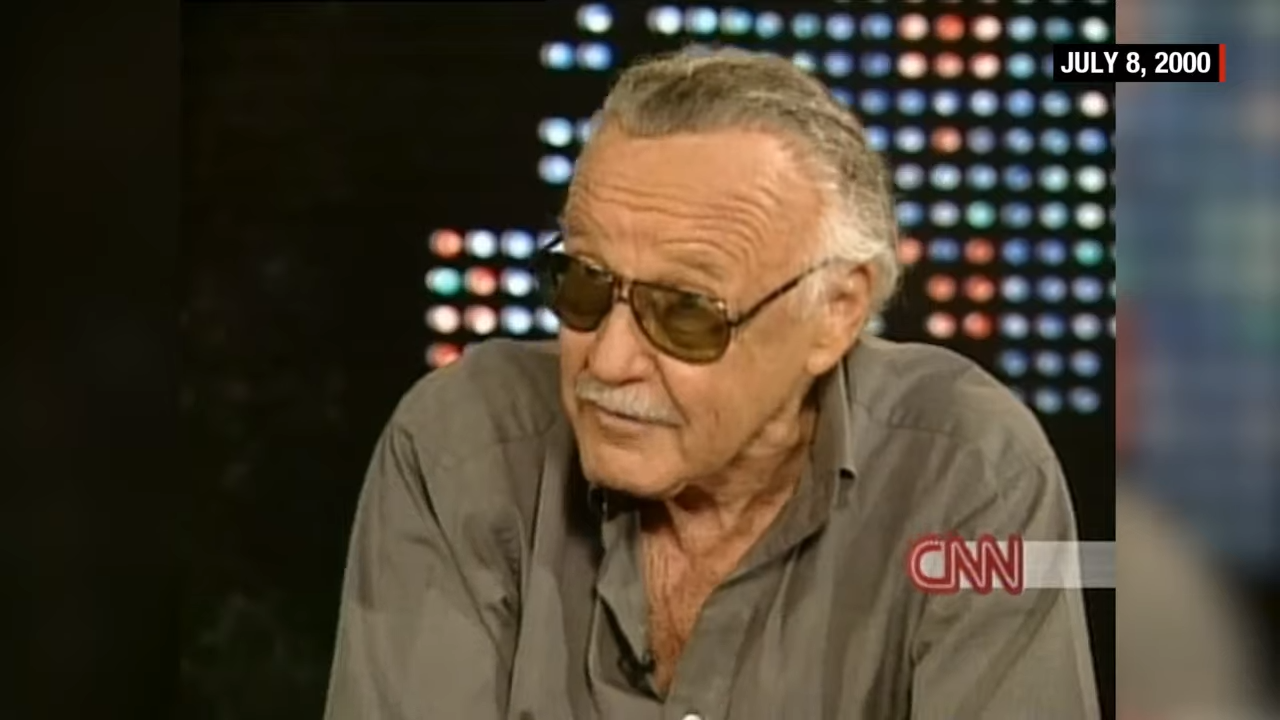
Stan Lee on Larry King – CNN, YouTube
READ: New HBO Harry Potter Trailer Reveals Sorting Hat, Hogwarts, and More Snape
“I just see no reason to change that which has already been established when it’s so easy to add new characters,” Lee said.
And Lee actually agreed with Garfield about one thing: Spider-Man’s mask allows anyone to imagine themselves underneath it.
“What I like about the costume is that anybody reading Spider-Man in any part of the world can imagine that they themselves are under the costume,” Lee explained.
The difference is that Lee didn’t believe making Spider-Man universal required rewriting Peter Parker.
So when Garfield says those with strong opinions on changing Peter’s sexuality are “telling on yourself,” there’s an obvious question: Would he say the same thing about Stan Lee?
Spider-Man Doesn’t Need Peter Parker Rewritten to Include Everyone
The irony is that Spider-Man may be one of the worst possible franchises for the argument that an established character needs to be fundamentally changed in the name of representation.
The entire Spider-Verse concept provides an elegant alternative.
Want a Black Spider-Man? Miles Morales exists and has become enormously popular.
Want a female Spider hero? Gwen Stacy’s Spider-Gwen became popular enough to headline comics and play a major role in Sony’s animated films.
Want a gay Spider-Man? Marvel already created Web-Weaver.
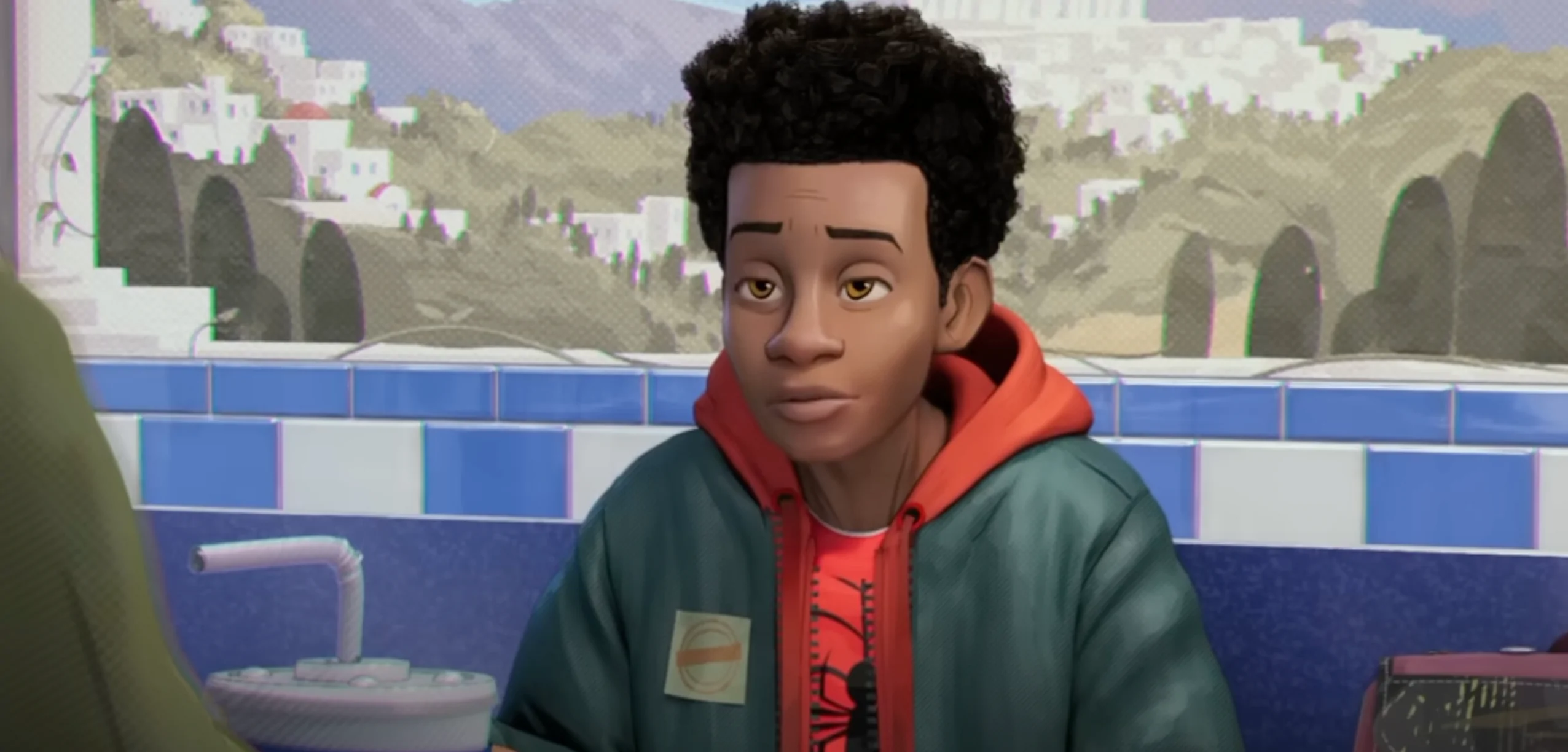
Miles Morales in Spider-Man: Into The Spider-Verse – YouTube, Sony Pictures Entertainment
Want something completely different? Marvel has produced everything from Spider-Man Noir to Spider-Ham.
There is practically limitless room beneath the Spider-Man umbrella for new characters and interpretations without requiring Peter Parker to become something he has never been.
That’s why Garfield’s “telling on yourself” remark deserves scrutiny.
Fans aren’t necessarily objecting to who gets to wear the mask. They may simply be saying that the person underneath Peter Parker’s mask should still be Peter Parker.
Do you want to see a gay Spider-Man? Sound off and let us know!
UP NEXT: Is Washington About to Make Taxpayers Bail Out Hollywood?
