


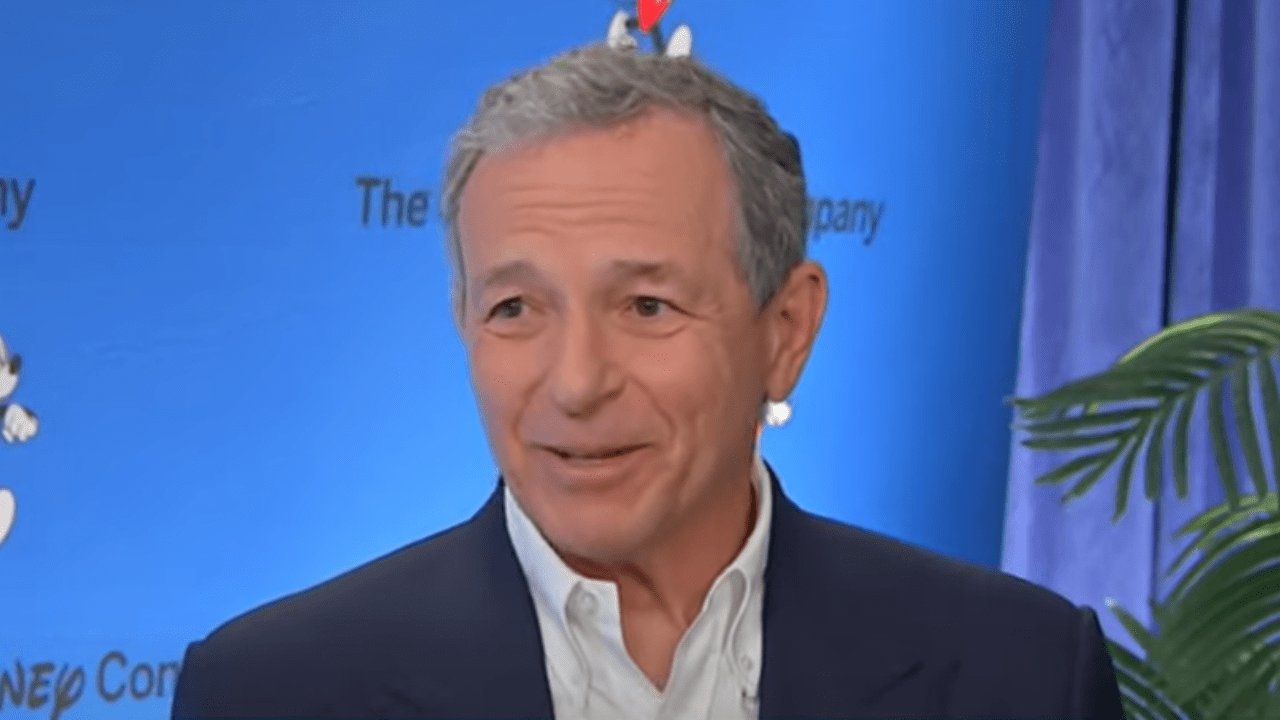
Walt Disney Company CEO Bob Iger is sounding the alarm about the potential consequences of newly implemented tariffs from President Donald Trump’s administration. During a surprise appearance at ABC News’ daily editorial meeting, Iger offered candid and unfiltered remarks about the likely fallout from what the White House is calling “Liberation Day” tariffs—a sweeping policy that imposes a 10% blanket tariff on all imports, with even steeper levies on major trading partners.
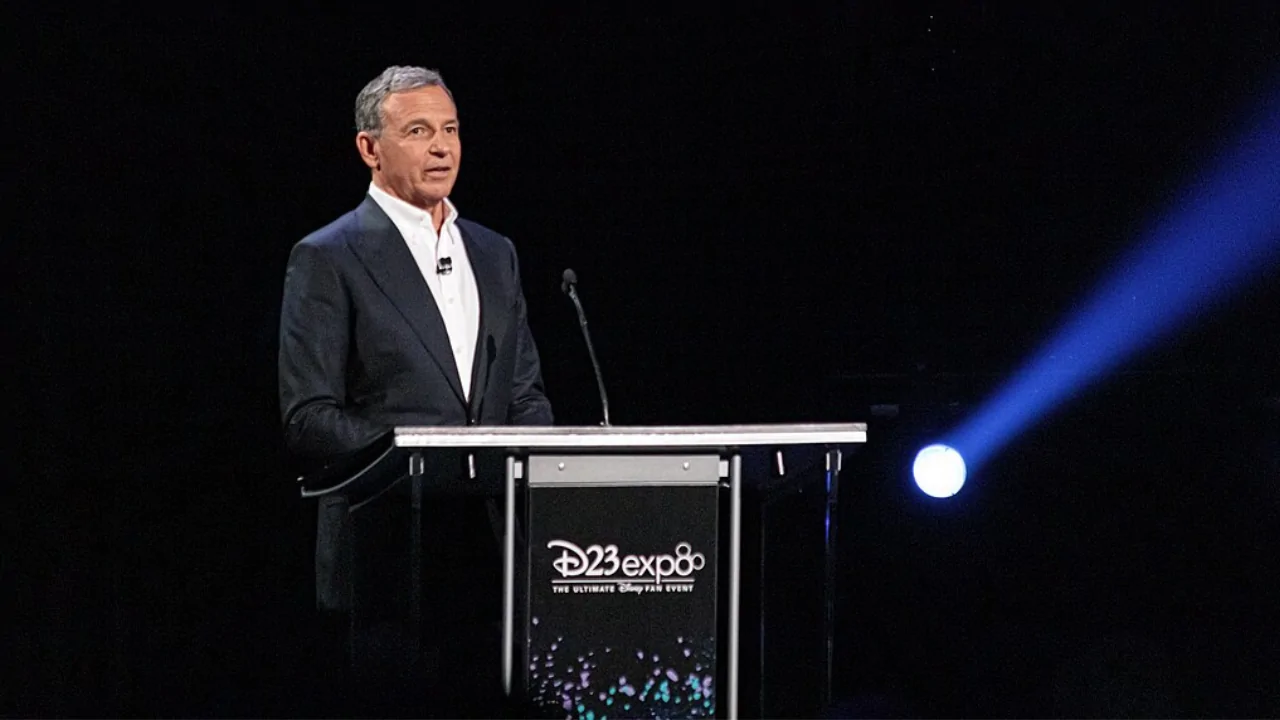
Bob Iger | 2019 Disney Legends Awards Ceremony | D23 EXPO 2019. Photo Credit: nagi usano from Tokyo, Japan, CC BY-SA 2.0 <https://creativecommons.org/licenses/by-sa/2.0>, via Wikimedia Commons
READ: Nintendo Boss Responds to $80 Mario Kart Price Tag with “Variable Pricing” Philosophy
The United States began collecting the 10% tariff on April 5, 2025. A second round of steeper “reciprocal” tariffs, including an additional 34% on Chinese imports (bringing the total to 44%), is set to begin on April 9, 2025. President Trump has also threatened an additional 50% tariff on Chinese goods if retaliatory actions from Beijing are not withdrawn, which could bring the total up to a staggering 94%.
Iger expressed deep concern about what this could mean for Disney and the U.S. economy. According to attendees, he emphasized that the idea of swiftly relocating overseas manufacturing to the United States was “unrealistic” given the specialized labor involved. Pointing to examples like Apple’s Foxconn factories in China, he argued that it would be nearly impossible to replicate those conditions domestically in the short term.
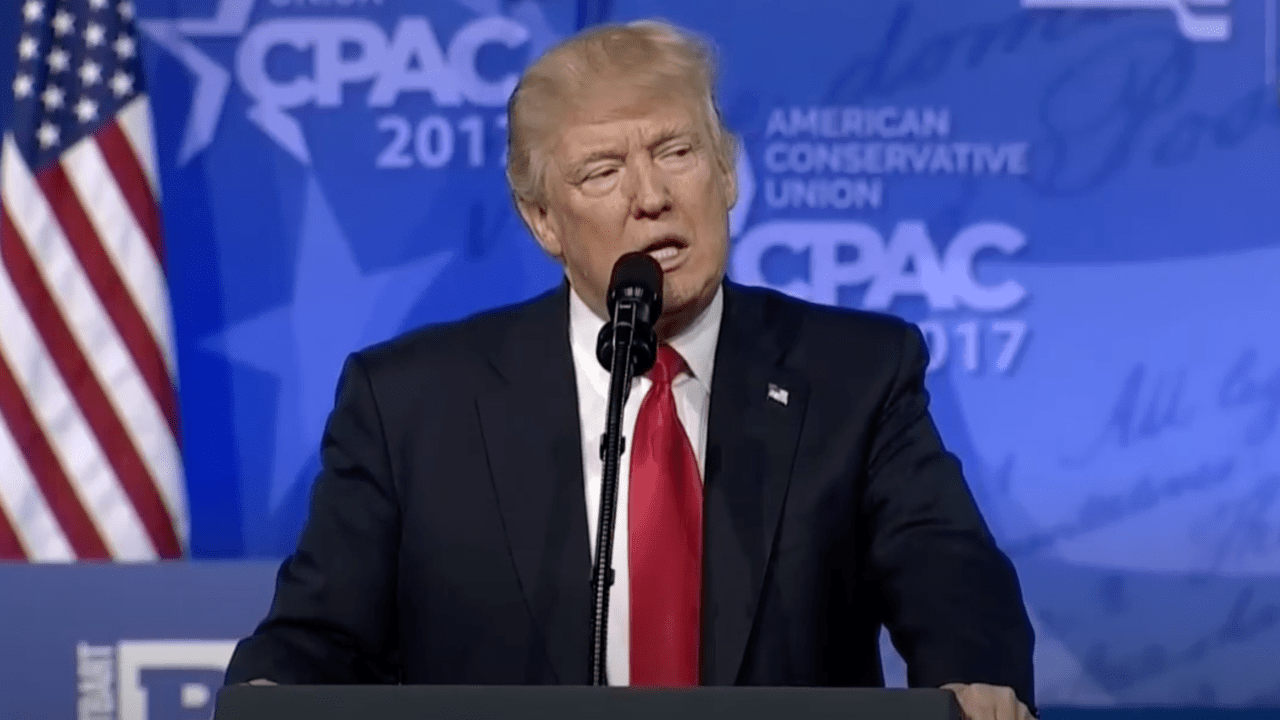
President Donald Trump speaks at CPAC in 2017 – YouTube, The New York Times
Staffers present at the meeting told CNN’s Oliver Darcy that Iger appeared to be urging ABC News to connect the dots for the public, noting that most Americans “don’t really understand how tariffs work.” He warned of ripple effects across Disney’s many business units, singling out Disney Cruise Line as particularly vulnerable due to its reliance on imported steel for ship construction. Iger even suggested that rising costs could force the company to scale back its investment plans.
While Iger’s concerns might be legitimate, his comments also raise questions. For one, Disney Cruise Line—the example he chose to highlight—may actually be one of the company’s least vulnerable divisions. Most Disney ships are built in Europe and registered in the Bahamas, meaning they aren’t directly subject to U.S. import tariffs. If anything, DCL could become a more appealing investment because of its global mobility and supply chain.

HOLLYWOOD, CALIFORNIA – APRIL 27: (L-R) The Walt Disney Company Chief Executive Officer Bob Iger and Chris Pratt attend the Guardians of the Galaxy Vol. 3 World Premiere at the Dolby Theatre in Hollywood, California on April 27, 2023. (Photo by Charley Gallay/Getty Images for Disney)
By contrast, Disney’s domestic theme parks, particularly Walt Disney World and Disneyland, are far more exposed. Theme park construction relies heavily on imported ride systems and raw materials, much of which come from European manufacturers. These costs are likely to rise sharply under the new tariffs, putting pressure on projects already under scrutiny.
It’s worth noting that Disney had already scaled back its capital investment pipeline in recent years. Canceled or delayed initiatives include the Play Pavilion, Reflections resort, Spaceship Earth overhaul, and the Cherry Tree Lane expansion in EPCOT. Some of these were shelved during the global health crisis, but others have quietly disappeared without formal acknowledgment. There is a pattern of Disney leaning on external crises to justify cuts, and now tariffs may become the latest justification.
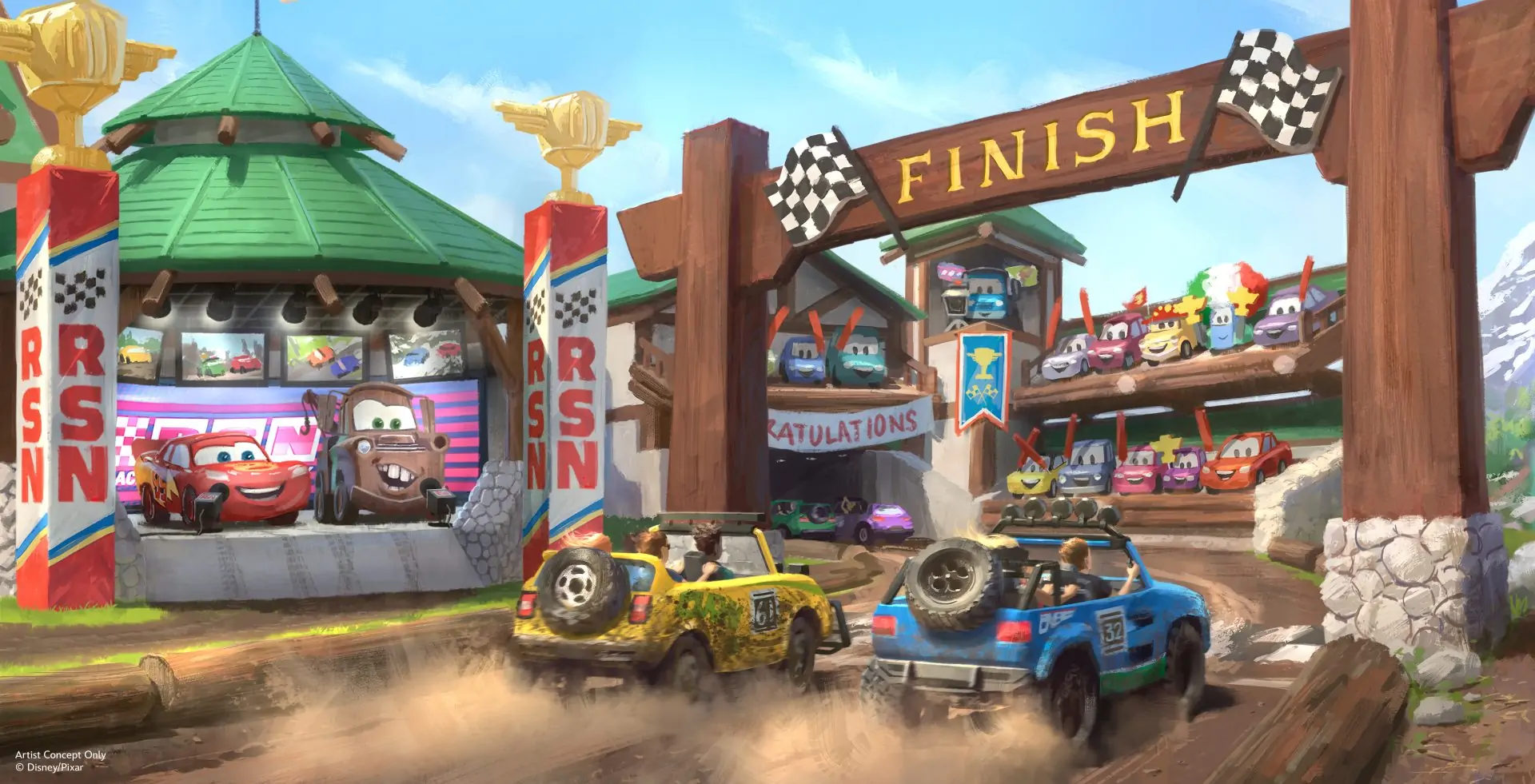
Concept art for Disney’s unnamed Cars attraction for smaller racers at Magic Kingdom
The reality is that much of Disney’s highly touted $60 billion, 10-year investment plan has yet to materialize. Massive projects like Villains Land, Cars Land, and Monstropolis remain in the early conceptual phases. With the cost of imported components rising, Disney could opt to quietly delay or de-scope these ventures while blaming economic uncertainty. That would allow them to preserve capital without making it appear as though the company is backing away from its public promises.
It should be noted that the expansions in both the Magic Kingdom and Disney’s Hollywood studios have been contentious projects that have stirred a lot of dissent among the Disney fanbase. They would require the destruction of beloved attractions and locations like MuppetVision 3D and the Rivers of America. So, it could be that the tariffs are providing Disney with an easy escape hatch to ditch unpopular decisions without actually admitting fault.
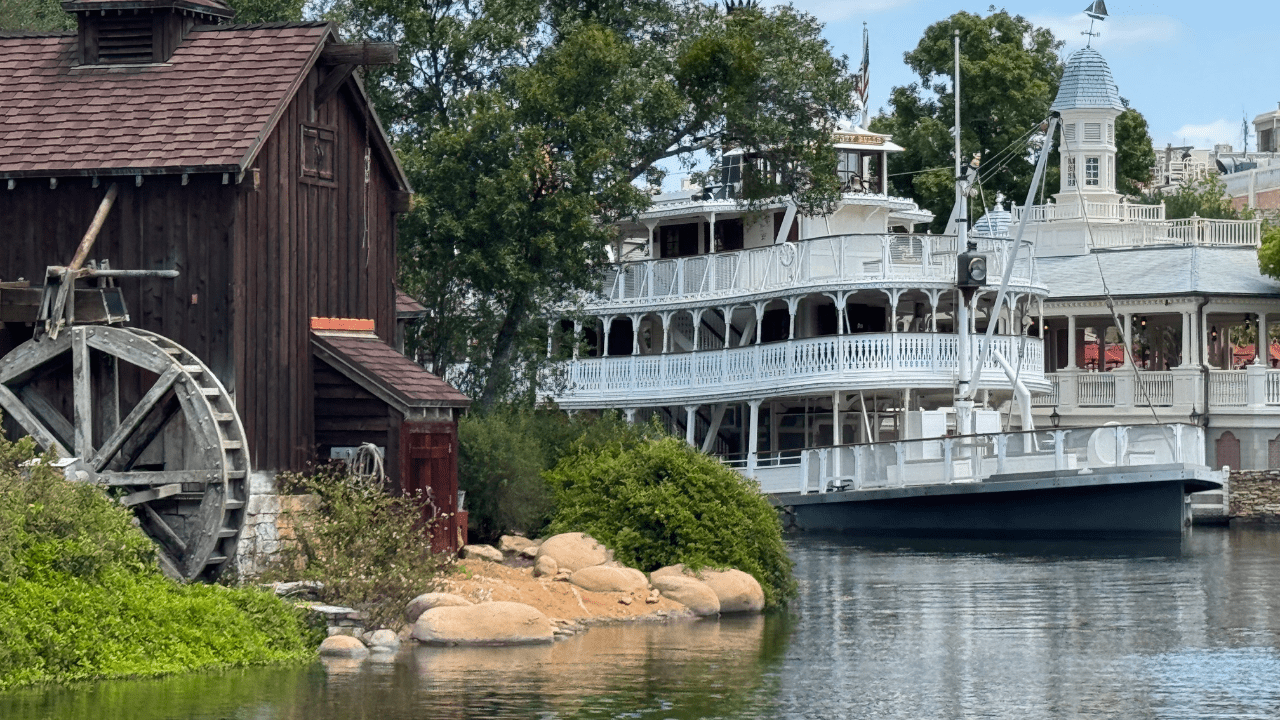
The Rivers of America and Tom Sawyer Island in Walt Disney World – Photo Credit M. Montanaro
The strategy wouldn’t be without precedent. During the global health crisis of 2020, Disney cut details and scale from several projects that moved forward, such as EPCOT’s World Celebration. In other cases, they simply left venues “under construction” indefinitely, effectively mothballing spaces to save on operational expenses.
For now, Disney says it is assessing the situation with the tariffs, and Iger’s comments make clear that internal concerns are growing. The bigger question is whether the tariffs are a short-term disruption or a convenient cover for decisions Disney was already prepared to make.
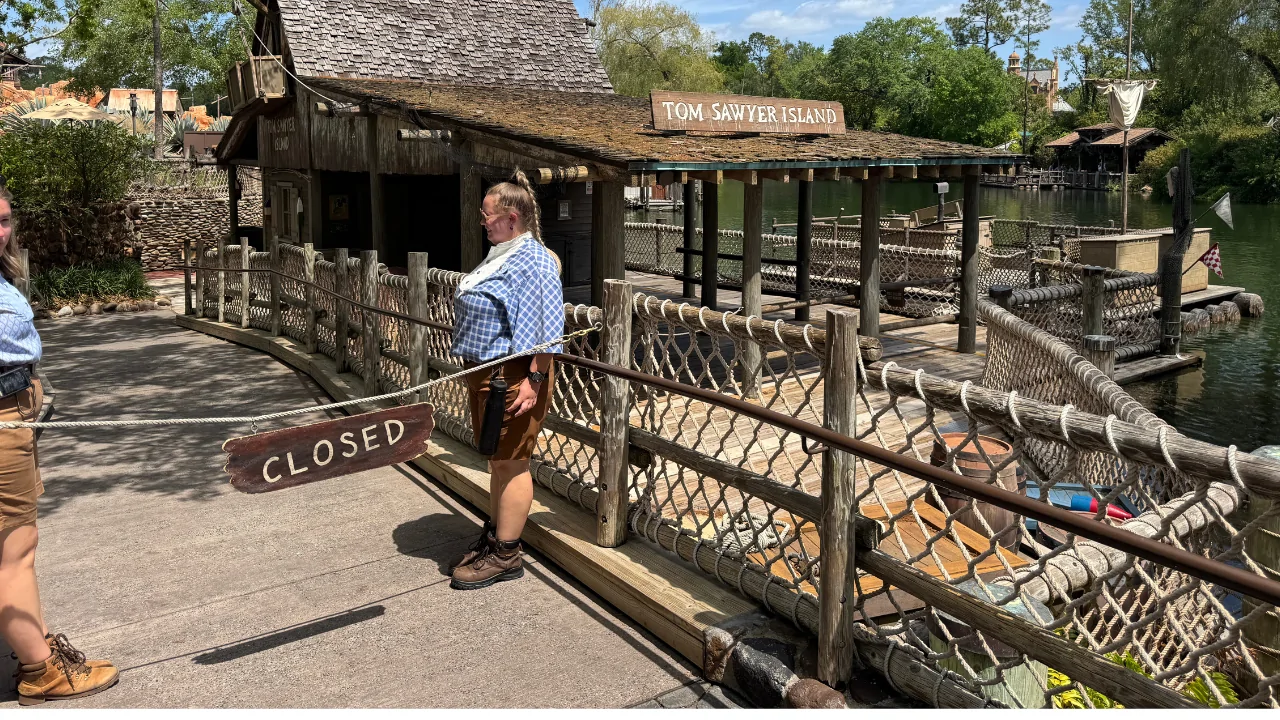
A Closed Sign on the Entrance to Tom Sawyer’s Island – Photo Credit: M. Montanaro
One thing is certain: fans, investors, and analysts alike will be watching closely. If Disney uses tariffs as a reason to shelve or shrink its domestic ambitions, the narrative could shift from external economic headwinds to internal strategic retreat. The coming months will tell the real story.
Do you think these tariffs will have a major effect on Disney? Sound off in the comments and let us know your thoughts!
UP NEXT: Sony Temporarily Shields PS5 from Trump Tariffs
