


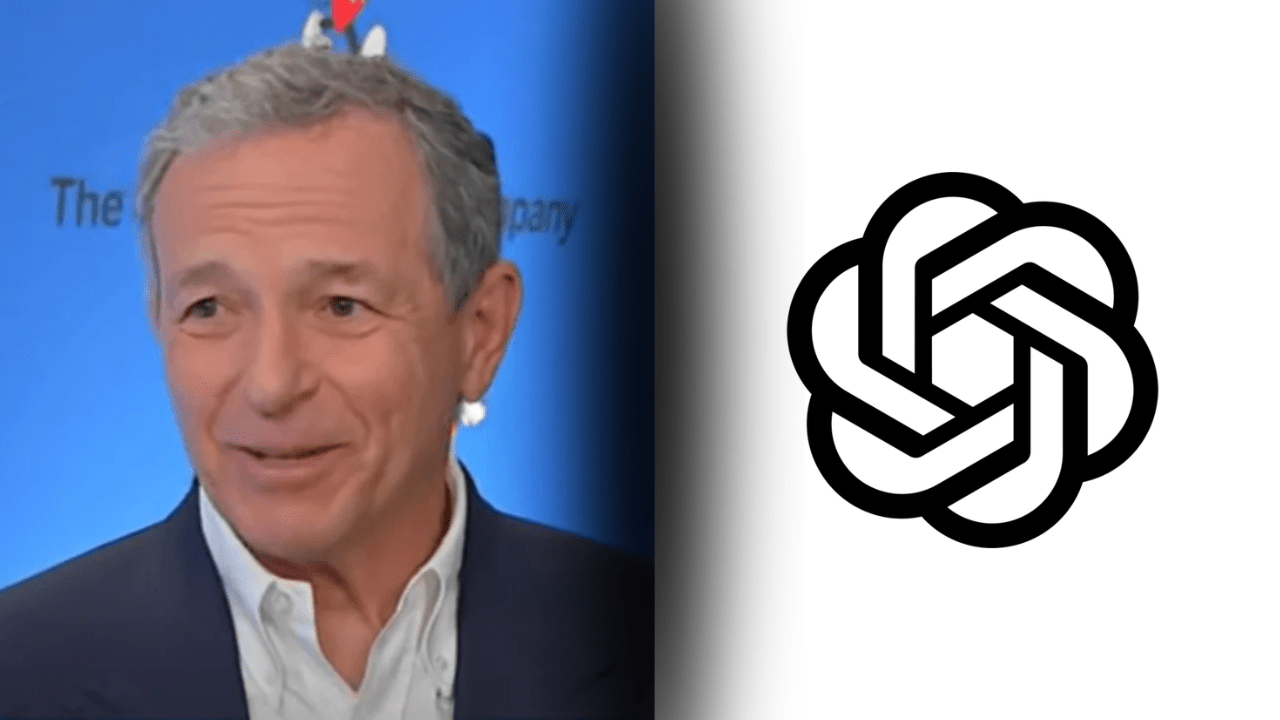
The Walt Disney Company and OpenAI have entered into a licensing partnership for generative artificial intelligence with Disney characters. The legalities of such a deal are likely to impact the future of entertainment forever.
U.S. copyright and trademark law were written long before generative AI, but they already supply most of the legal framework now being stress-tested by text-to-image and text-to-video systems. Copyright protects original expression fixed in a tangible medium (films, scripts, character art, music, etc.) and gives the rightsholder exclusive rights to reproduce, distribute, publicly perform/display, and critically for AI, prepare derivative works based on the original.

Anna, Elsa, and Olaf in A Frozen Holiday Wish – Disney+
READ: EDITORIAL: Holiday Memories Are About The WHO, NOT the Where, When, or Whats
When generative systems ingest large volumes of copyrighted works during training, the central unresolved question is whether that copying is excused by defenses such as fair use, and whether particular outputs are “substantially similar” or otherwise function as unlicensed derivative works.
A parallel question arises on the output side: even if a model’s training is found lawful, outputs that recreate protectable expression can still trigger infringement claims under traditional “copying + substantial similarity” theories. Layered on top is the issue of whether AI outputs themselves can be copyrighted.
The U.S. Copyright Office has been explicit that copyright requires human authorship, and that purely AI-generated material is not registrable; protection may exist only for the human-authored contributions— such as selection, arrangement, or meaningful modification—while the AI-generated portions must be disclaimed.
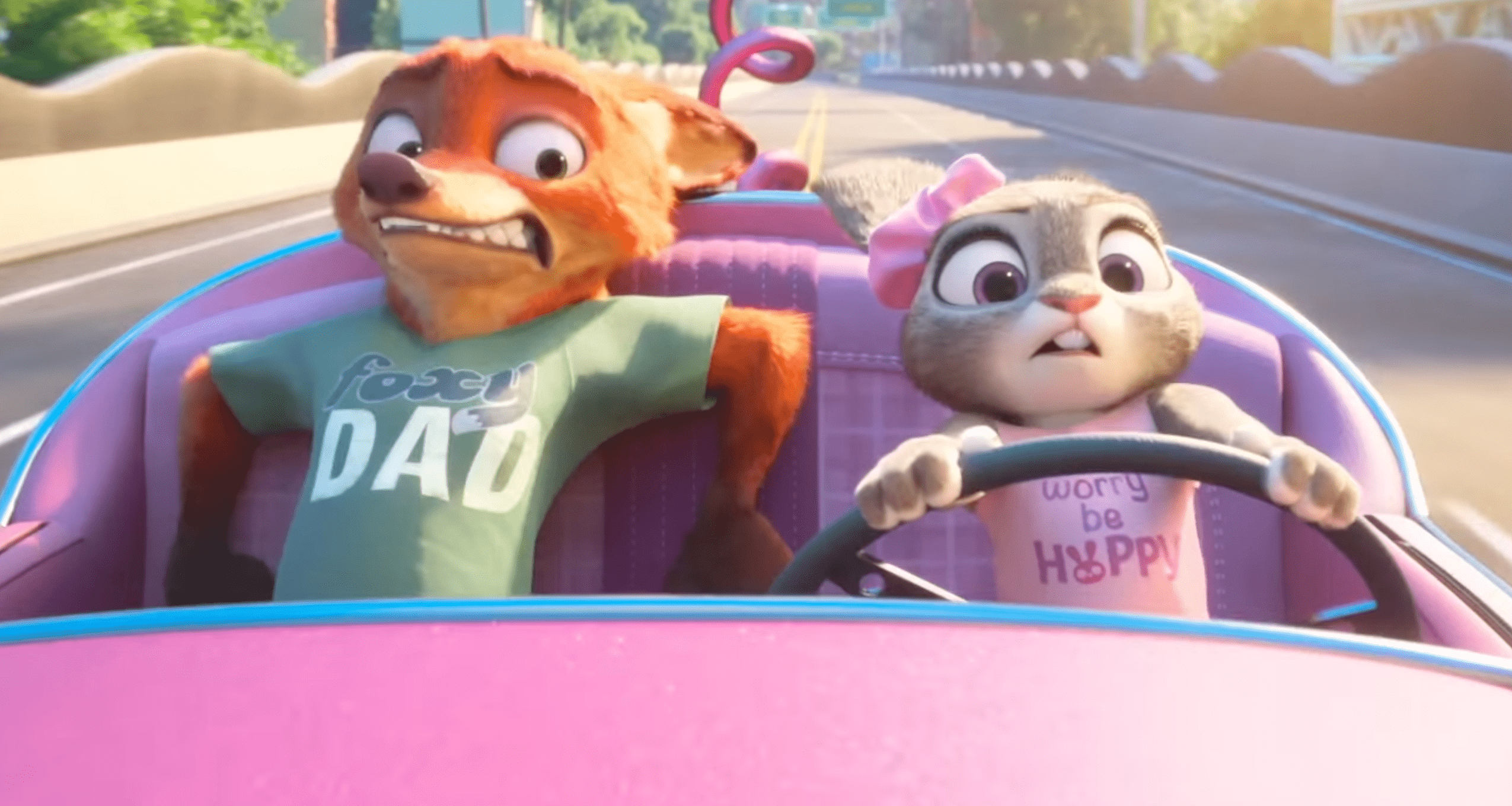
Nick Wilde and Judy Hopps in Zootopia 2 – YouTube, Disney
Trademark law, governed principally by the Lanham Act, addresses a different harm: consumer confusion about source, sponsorship, or affiliation. To prove infringement, a plaintiff generally must show it owns a valid mark and that the defendant’s use of a similar mark in commerce is likely to cause confusion. In generative AI, trademarks get implicated when outputs place famous brands or characters into commercial contexts (ads, product packaging, “official-looking” promos), or when platforms market prompts, templates, or model features in ways that suggest endorsement.
Even where confusion is hard to prove, famous marks can invoke dilution theories (blurring/tarnishment) and false endorsement claims, especially when content appears to trade on brand goodwill. As a practical matter, trademark exposure tends to grow when AI outputs are distributed at scale, monetized, or presented in a way that looks “official”… and Disney’s marks are among the strongest and most aggressively policed in the world.
Against that legal backdrop, the newly announced Disney–OpenAI partnership is best understood as a licensing and control strategy rather than a change in the law itself. Disney and OpenAI disclosed a three-year arrangement tied to a $1 billion Disney investment that allows Sora to generate short, user-prompted videos using a defined set of more than 200 Disney-related characters and associated elements (costumes, props, vehicles, environments), and the deal expressly excludes the use of real talent likenesses or voices.

Darth Vader outside Star Tours – YouTube, Global Current
READ: The Rock Scores First Golden Globes Nomination for The Smashing Machine
Reporting also indicates the agreement is structured to permit character use while restricting the use of Disney IP for training: an important distinction because it draws a bright line between (a) licensing for outputs within controlled creative rails and (b) licensing or permission for training ingestion, which is at the center of many lawsuits.
In effect, Disney appears to be betting that the cleanest way to participate in generative content is to authorize a bounded, brand-safe “sandbox” for fans while preserving the ability to sue—or credibly threaten to sue—when its works are used to train models without permission or when outputs cross into confusion, dilution, or infringement.
That dual-track approach is underscored by Disney’s reported cease-and-desist letter to Google delivered the same day as the OpenAI announcement. Reuters, citing CNBC, reported that Disney sent Google a cease-and-desist letter, and additional coverage has described Disney’s allegation that Google used Disney content without authorization in connection with AI systems.

The robot H.E.R.B.I.E. at Disneyland – Disney Parks Blog
While the full letter is not publicly reproduced in the most authoritative reporting, the posture is consistent with Disney’s broader strategy: partner where it can set terms and guardrails, and confront parties it believes are training or deploying generative tools using Disney works without permission.
The legal significance is less about creating new rights and more about positioning—Disney can argue that lawful generative use is feasible through licensing and safeguards, which may matter rhetorically (and sometimes evidentially) in litigation where AI companies lean heavily on “industry inevitability” arguments.
Midjourney’s litigation problems illustrate why this matters.
In June 2025, Disney, NBCUniversal, and DreamWorks filed a major copyright infringement lawsuit against Midjourney in federal court, alleging that Midjourney’s systems enable the creation of images incorporating the plaintiffs’ protected characters and that the company has engaged in direct and secondary infringement tied to both training and output generation.
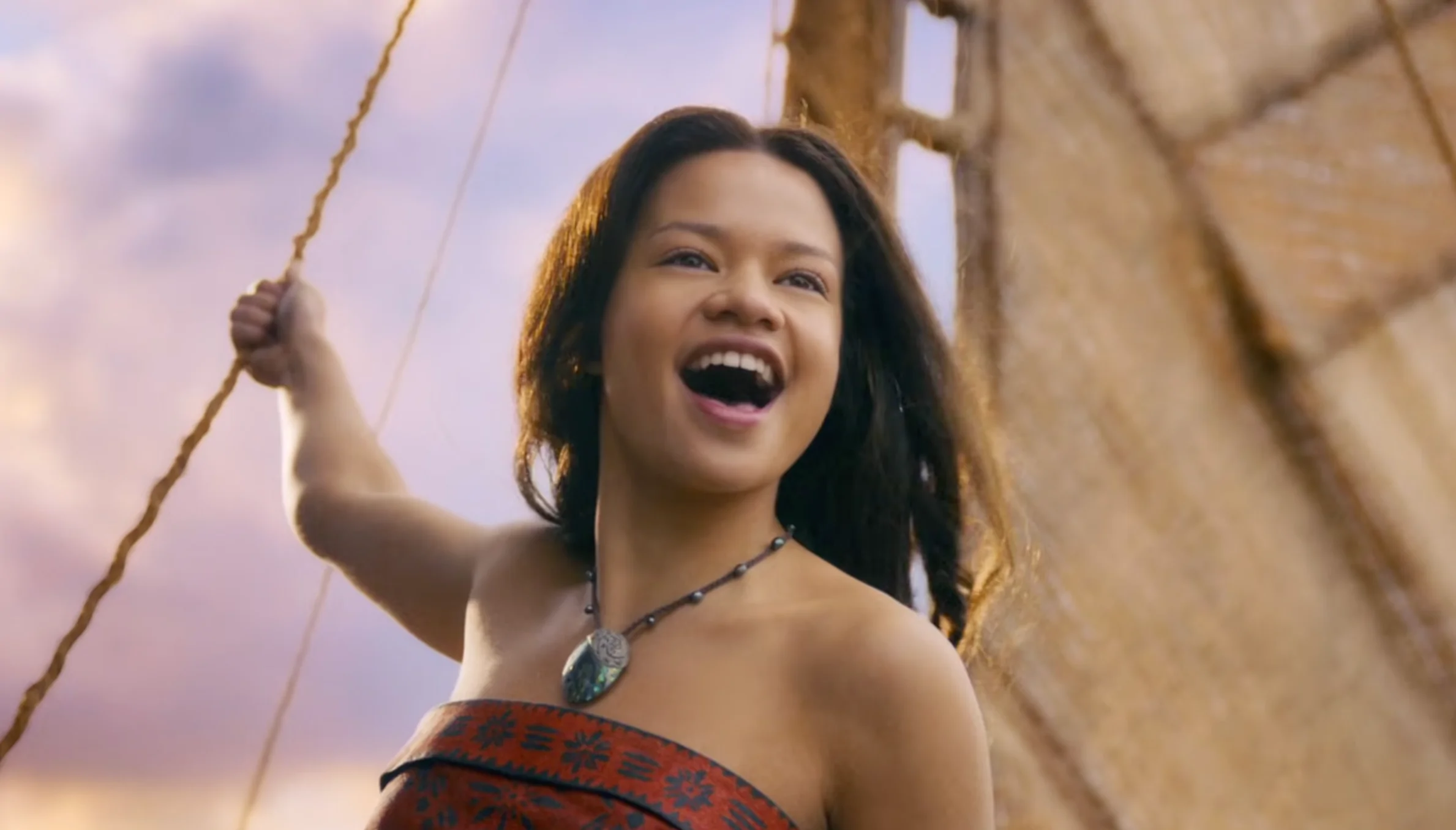
Moana in the live action movie – YouTube, Disney
READ: Disney Accuses Google of “Massive” AI Copyright Abuse
Separate reporting and commentary throughout 2025 has tracked the case as part of a broader wave of “training data” disputes, in which rightsholders argue that mass ingestion of copyrighted works is not excused by fair use and that outputs that recreate characters and scenes are actionable.
Midjourney has also faced additional pressure from other major rightsholders; for example, public reporting in 2025 describes other studio complaints alleging systematic infringement. These cases matter because they put courts on the path toward answering questions that Congress has not yet resolved: what constitutes actionable “copying” in training, whether model weights can be treated as infringing derivatives, what level of similarity in outputs crosses the line, and how secondary liability should apply when platforms provide tools that predictably generate protected characters.
The Disney–OpenAI deal could influence how these disputes evolve in three practical ways. First, it strengthens the “licensing market” argument: if a major rightsholder is demonstrably willing to license characters for generative outputs under negotiated constraints, plaintiffs may argue that unlicensed model developers are harming an actual or emerging market for authorized AI uses, a factor that can weigh against fair use in some contexts. Second, it raises the standard for “reasonable safeguards.”
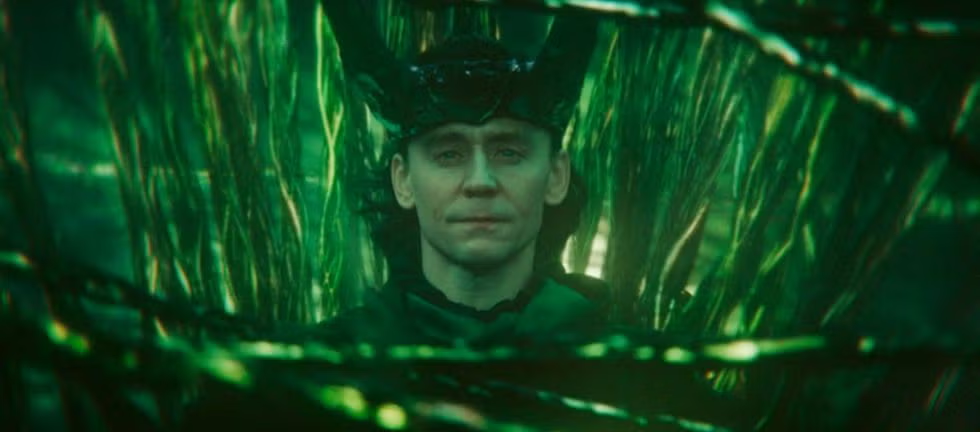
Loki at the end of Loki Season 2 – Disney+
Disney and OpenAI publicly emphasize controlled character sets and exclusions (such as talent likeness/voice), which may become an implicit benchmark when regulators, courts, or juries evaluate whether other platforms took adequate steps to prevent infringement and consumer confusion. Third, it may accelerate a bifurcation in the industry: licensed, brand-safe generative experiences (where trademark and copyright permissions are explicit) on one side, and open-ended model development and distribution (where training provenance and output policing are contested) on the other—meaning the hardest fights shift toward training-data legality and platform liability rather than whether generative content can exist at all.
None of this eliminates legal uncertainty.
Courts are still working through the foundational questions in generative AI litigation, and the Copyright Office’s position that purely AI-generated material is not copyrightable adds a separate wrinkle: even where a user makes a Disney-themed AI clip inside an authorized tool, the user may have limited—or no—copyright in the output absent meaningful human authorship, while Disney’s underlying copyrights and trademarks remain enforceable.
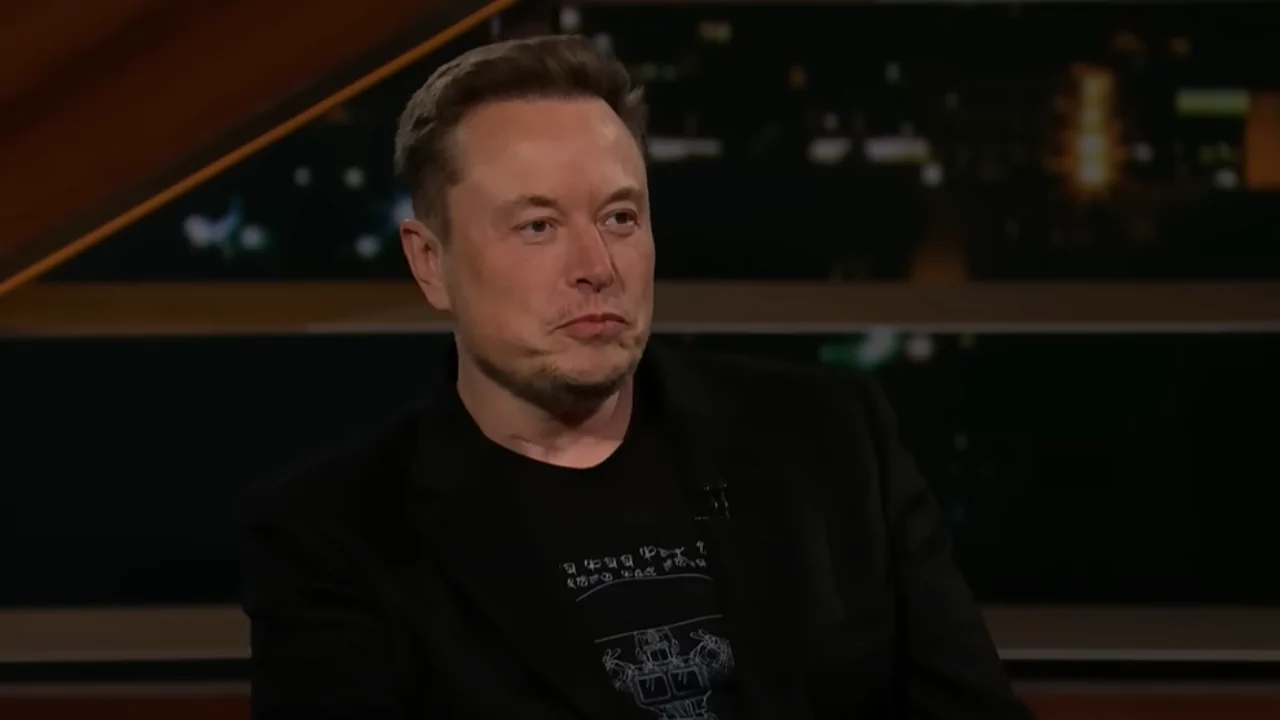
Elon Musk via Real Time with Bill Maher YouTube
In short, the partnership does not rewrite copyright or trademark law, but it does alter the battleground by demonstrating a high-profile licensing model… and by sharpening the contrast between “authorized generative play” and the unlicensed training and output ecosystems that Disney is simultaneously challenging through cease-and-desist tactics and active litigation.
So who is ready for a battle all the way up to the Supreme Court? If Disney tries to enforce an exclusivity with OpenAI, Google and xAI (Elon Musk’s Grok) may be prepared to refuse all the way up to the highest court in the land.
How do you feel about Disney and OpenAI? Sound off in the comments and let us know your thoughts!
UP NEXT: Kali River Rapids Reopening Mid December to Boost Sparse Animal Kingdom Attraction List
