


A new study from GLAAD reports that LGBTQ representation in major studio films declined for the third consecutive year, including a complete absence of LGBTQ characters in animated and family films rated PG and below.
The organization released the 14th edition of its annual film representation study, now titled Where We Are in Film, which examined 225 movies released in 2025 by the 10 largest studio distributors. The report previously operated under the name Studio Responsibility Index.
According to GLAAD’s findings, 46 of the 225 films analyzed included at least one LGBTQ character, representing 20.4% of releases. That marks a decrease from 2024, when 59 of 250 films, or 23.6%, featured LGBTQ characters.
The percentage has fallen each year since 2023, when GLAAD reported a record high of 28.5%.
The total number of LGBTQ characters also declined, dropping from 181 characters in 2024 to 112 characters in 2025.
GLAAD Reports No LGBTQ Characters Appeared in Major Studio Family Films
One of the most notable findings from the report concerned the animated and family film category.
According to GLAAD, none of the 19 films categorized as animated or family movies rated PG and below featured LGBTQ characters. The organization also reported that none of the 225 films analyzed across all categories included transgender characters.

A boy in a dress in Strawberry Shortcake: The Beast of Berry Bog, Rated for Children of All Ages – Netflix
The finding comes as family entertainment has become one of the most debated areas of Hollywood’s ongoing discussion over representation.
In recent years, some parents and advocacy groups have pushed back against the inclusion of themes involving sexuality and gender identity in entertainment aimed primarily at children. Those critics have argued that conversations surrounding those topics should be handled by parents rather than introduced through movies and television programming marketed toward younger audiences.
Supporters of increased LGBTQ representation, including GLAAD, have argued that family films should include LGBTQ characters to reflect a wider range of audiences and experiences.
The debate has placed studios in a challenging position as they attempt to balance advocacy demands, creative decisions, and audience expectations.
GLAAD Points to Horror Films as a Category With More LGBTQ Representation
While representation declined overall, GLAAD identified horror as one genre where LGBTQ characters remained more common.
The organization pointed to movies including I Know What You Did Last Summer, The Parenting, Companion, and Weapons as examples of films that featured LGBTQ characters.

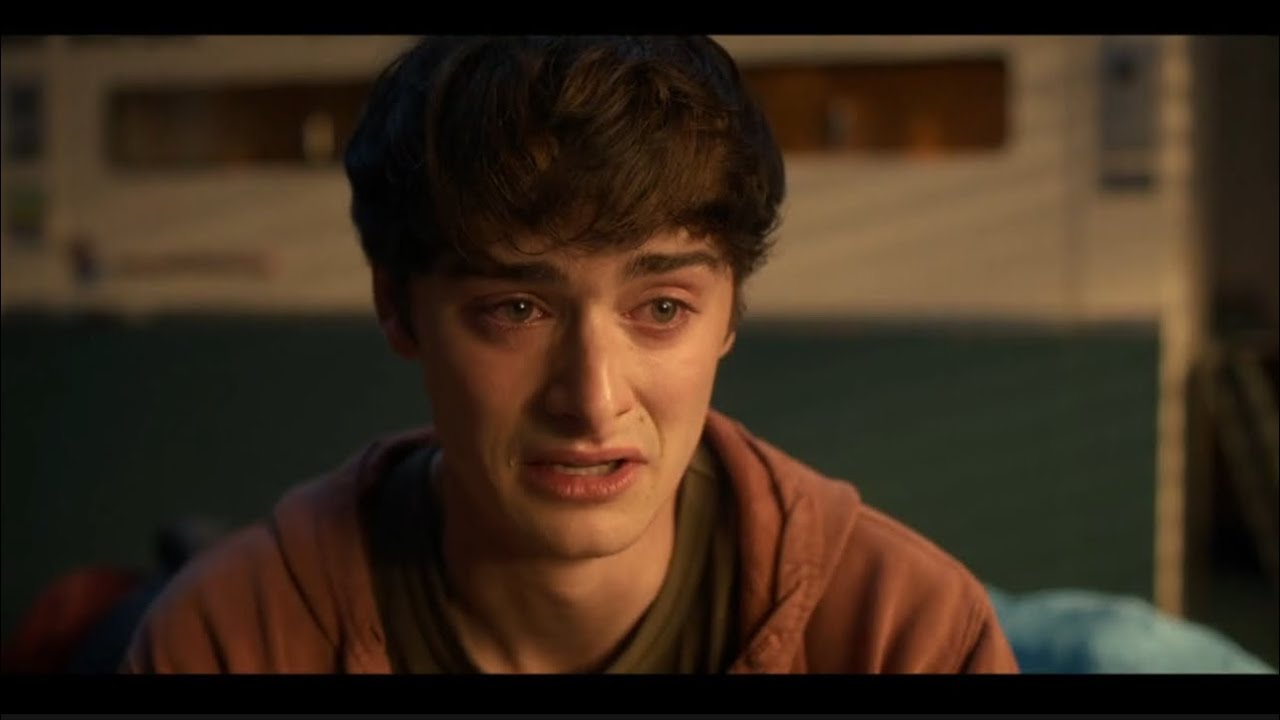
Noah Schnapp in an emotional moment as Will Beyers in Stranger Things 5 – Netflix
GLAAD also reported that mid-budget films in the $15 million to $90 million range continued to feature LGBTQ stories at a higher rate compared with some other categories.
GLAAD Argues Studios Risk Losing Younger Audiences as Hollywood Weighs Box Office Realities
GLAAD President and CEO Sarah Kate Ellis argued that studios could face consequences if they move away from including LGBTQ characters.
“If the industry doesn’t prioritize investing in films with LGBTQ characters, it risks losing a generation that will go elsewhere to find entertainment that does include our community,” Ellis said.
GLAAD’s senior director of entertainment research and analysis Megan Townsend also pointed to younger audiences as a reason studios should continue prioritizing LGBTQ representation.
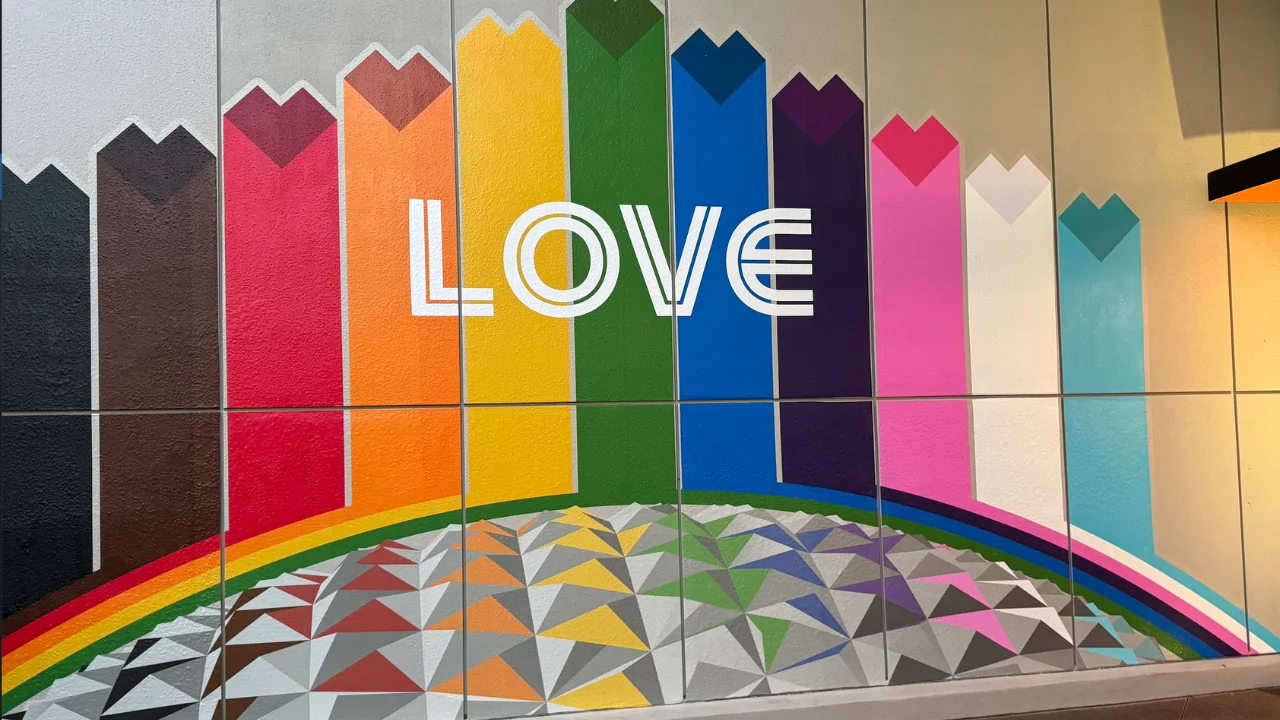
The PRIDE mural in EPCOT – Photo Credit: That Park Place
READ: The Office Star Blasts Ricky Gervais for Telling Celebrities Not to Talk About Politics
“Gen Z represents the largest share of moviegoers in North America,” Townsend said. “Gen Z also has the highest percentage of people who say they are part of the LGBTQ community, with Gallup reporting that more than one in five (23%) of Americans under the age of 30 are LGBTQ. If studios want to stay relevant with younger audiences and bring in box office dollars, they can’t afford to ignore nearly one-quarter of their most enthusiastic ticket buyers.”
However, Hollywood studios have also faced a changing marketplace where major theatrical releases require broad audience appeal to justify increasingly large production and marketing budgets.
Several high-profile projects that included LGBTQ representation have struggled commercially in recent years, including Disney and Pixar’s Lightyear, which grossed roughly $226 million worldwide against a reported $200 million production budget before marketing costs.
The film’s same-sex relationship became a major topic of public debate before release, with some parents criticizing the inclusion of such material in a children’s animated movie while supporters defended the scene as appropriate representation.

A scene from Starfleet Academy – Paramount+
Studios have also seen similar audience debates emerge around franchise entertainment, including Star Trek: Starfleet Academy, which has featured LGBTQ characters and storylines. While the series has received praise from critics, it has struggled to break through with mainstream audiences, with viewership reportedly failing to reach the levels needed to support the kind of franchise expansion Paramount once envisioned for Star Trek on streaming.
The company has since scaled back its once-aggressive streaming strategy, with several Star Trek projects coming to an end as Paramount reexamines the financial realities of producing expensive franchise television for a more limited audience.
A similar situation unfolded with Disney and Lucasfilm’s Star Wars: The Acolyte, another major franchise project that included LGBTQ representation and generated significant online debate. Despite support from critics, Disney canceled the series after only one season amid reports that its audience numbers were not strong enough to justify continuing such an expensive production.

(L-R): Koril (Margarita Levieva) and Mother Aniseya (Jodie Turner-Smith) in Lucasfilm’s THE ACOLYTE, season one, exclusively on Disney+. ©.
The Acolyte reportedly carried a production budget over $200 million, making the cancellation another example of studios weighing representation goals against the financial expectations attached to their largest entertainment brands.
At the same time, GLAAD’s report noted that LGBTQ representation remained more common in horror films and mid-budget projects between $15 million and $90 million.
Those categories typically carry lower financial risk compared to blockbuster family films, where studios often spend hundreds of millions of dollars between production and marketing and rely on attracting the widest possible global audience.
The decline highlighted in GLAAD’s report may therefore reflect a broader calculation inside Hollywood as studios attempt to balance activist representation pressure with changing audience trends and the financial demands of major theatrical releases.
Hollywood Continues Navigating Audience Divides
The latest GLAAD report on LGBTQ representation in movies arrives amid a broader industry conversation about the relationship between representation, creative choices, and audience response.
While organizations such as GLAAD continue advocating for increased LGBTQ inclusion across all genres, including children’s entertainment, some viewers have expressed concerns that major studios have prioritized messaging over storytelling or introduced mature subjects into content intended for younger audiences.

Aisha and Kiko, the two moms in Lightyear – Disney+
That divide has been reflected in several high-profile debates surrounding major entertainment companies in recent years, particularly around family-focused brands.
For now, GLAAD’s own data shows that major Hollywood studios have reduced LGBTQ representation in films for three consecutive years, with animated and family films showing the most significant decline.
How do you feel about these statistics on LGBTQ representation in movies? Sound off and let us know!
