


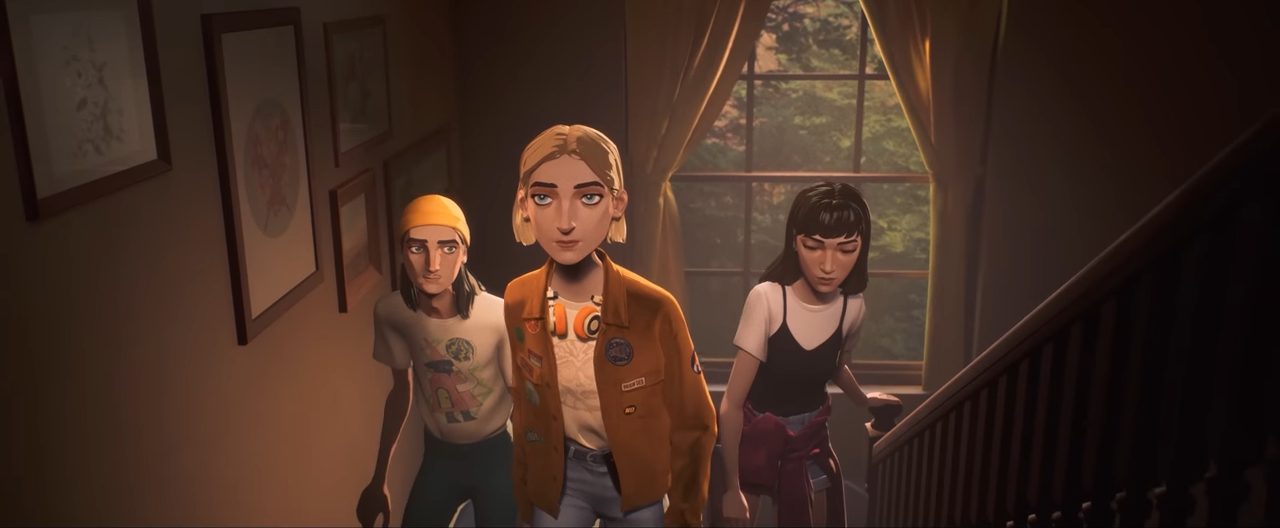
For much of 2026, Mixtape has been one of gaming’s most talked-about releases. Praised for its nostalgic atmosphere, emotional storytelling, and soundtrack packed with recognizable music, the title seemed to emerge as the latest indie success story seemingly embraced by everyone at once.
But according to a new investigation by content creators The Writing Raven and MasterOfTheTDS on their YouTube channel Gothic Therapy, there may be considerably more behind Mixtape’s rise than many players realize.
READ: Leaked Police Bodycam Footage Adds New Twist to Bricks & Minifigs Controversy
The pair recently examined the game’s credits and publishing structure, concluding that Mixtape benefited from a substantial industry support network involving marketing, analytics, creator outreach, music licensing, and public relations efforts that extended far beyond the image of a small independent production finding success organically.
Gothic Therapy Investigation Examines Mixtape’s Support Structure
In an article published on X, Writing Raven summarized findings of the investigation she conducted alongside her husband, MasterOfTheTDS.
“As its visibility grew, so did questions of how an indie title became seemingly unavoidable across gaming media and social platforms,” she wrote.
The article notes that some online observers attributed the game’s visibility to everything from algorithmic favoritism to manufactured hype. However, Raven argues that a review of the credits points toward a more straightforward explanation: a large-scale promotional and publishing apparatus working behind the scenes.
According to the investigation, Mixtape was released through Annapurna Interactive, one of the most recognizable names in independent game publishing.
Annapurna’s Role Raises Questions About the ‘Indie’ Label
For years, Annapurna Interactive built its reputation by publishing critically acclaimed titles such as Stray, Outer Wilds, and What Remains of Edith Finch. While the company is frequently associated with independent gaming, it also possesses significant industry resources and publishing capabilities.
Raven points out that despite Annapurna’s widely reported internal upheaval in 2024, the publishing label remained active and ultimately released Mixtape alongside developer Beethoven & Dinosaur.
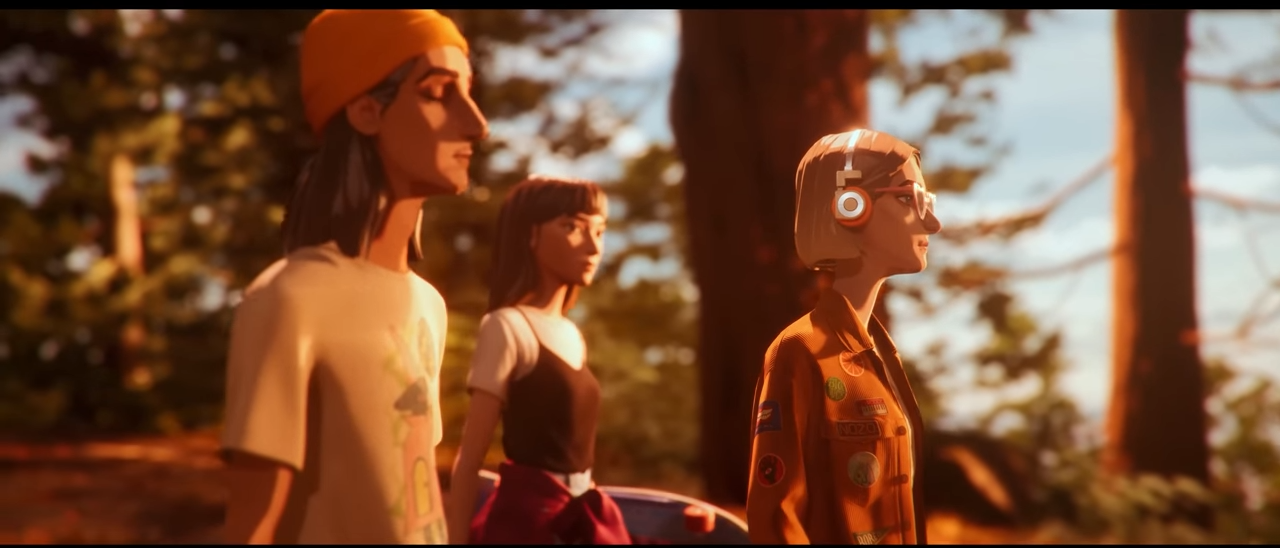
Scene from the Mixtape launch trailer – Annapurna Interactive, YouTube
READ: The Mandalorian Drop Gets Worse: Star Wars May Fail to Achieve $200M at the Domestic Box Office
That distinction may seem minor, but it becomes important when discussing how the game was presented to audiences.
Many players viewed Mixtape as a grassroots indie success story. The investigation suggests the reality may be more complicated.
Music Licensing Alone Suggests Significant Resources
One of the strongest points raised by Gothic Therapy centers on the game’s soundtrack.
Unlike many independent titles that rely primarily on original compositions, Mixtape places licensed music at the center of the experience. Acquiring those rights is rarely inexpensive, particularly when recognizable songs are involved.
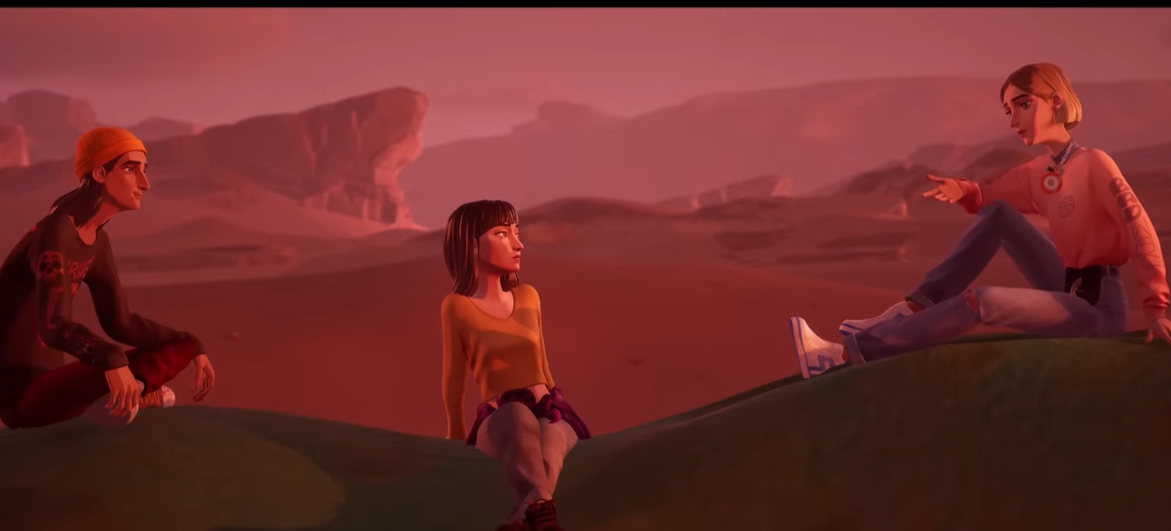
Scene from the Mixtape launch trailer – Annapurna Interactive, YouTube
Raven’s article notes that the credits reference music supervision work connected to Do It or Do It Music, a company previously associated with other Annapurna projects.
The soundtrack isn’t simply background music. It is one of the game’s primary selling points and a major component of its marketing identity.
Marketing, Analytics, and Creator Outreach Appear Throughout the Credits
Perhaps the most notable discovery highlighted by Raven and MasterOfTheTDS is the sheer number of support roles listed throughout the credits.
According to the article, the game’s credits include references to marketing support, public relations, audience engagement, promotional strategy, player recruitment, creator outreach, and analytics.
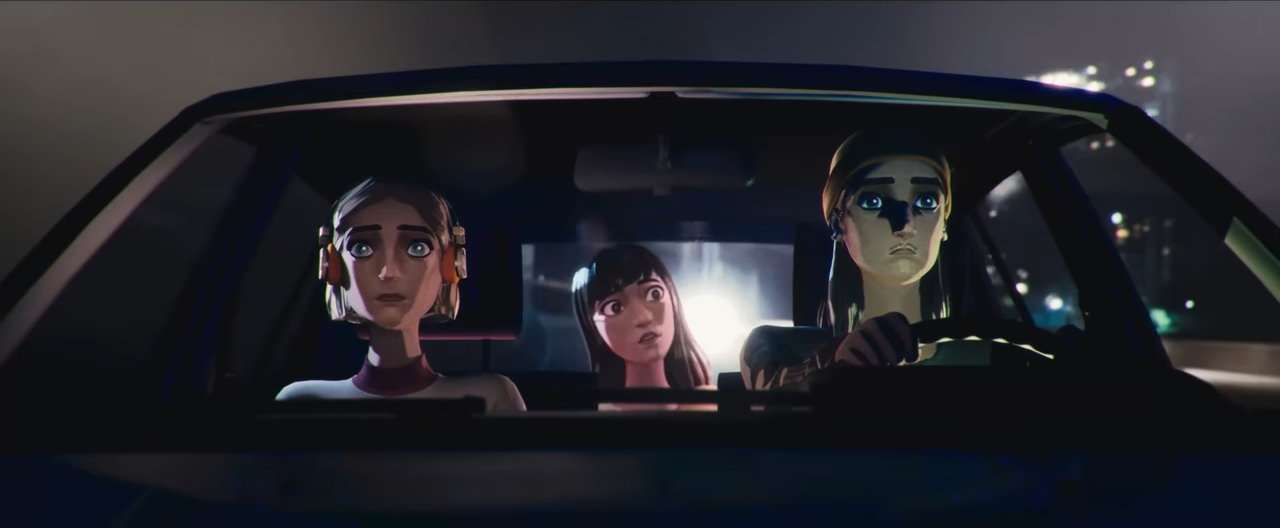
Scene from the Mixtape launch trailer – Annapurna Interactive, YouTube
None of these positions are unusual in modern publishing. In fact, they’re common components of major game launches.
The question raised by the investigation is not whether these functions exist, but whether players fully understood how extensive that support structure was while Mixtape was being discussed as an indie phenomenon.
The article specifically references companies operating within the analytics and influencer-marketing space, including Stream Hatchet, whose business focuses on measuring and amplifying visibility across streaming platforms and content creators.
The Real Debate May Be About Perception
Importantly, Gothic Therapy’s investigation does not claim that Mixtape is fraudulent, artificially created, or secretly funded by unknown interests.
Instead, the argument is that the game’s public image may not fully align with the reality of the infrastructure supporting it.
As Raven concludes in her article, the credits reveal what appears to be a standard modern publishing operation complete with music supervision, public relations, analytics, marketing support, and creator engagement strategies.
For many players, that may not change their opinion of Mixtape at all.
For others, however, it raises an interesting question: at what point does an “indie” game stop feeling like an independent success story and start looking like a professionally orchestrated publishing campaign backed by significant industry resources?
That debate is unlikely to disappear anytime soon, especially as publishers continue blurring the line between traditional independent development and large-scale marketing operations.
Did you play Mixtape? Sound off in the comments and let us know!
UP NEXT: Cynthia Erivo Reiterates “Childhood Dream” of Playing Storm in X-Men
