



Former Overwatch director and longtime Blizzard developer Jeff Kaplan is facing backlash after telling gamers to “shut the f**k up” if they criticize games they haven’t played.
Kaplan, who spent nearly two decades at Blizzard and became one of the most recognizable developers in the gaming industry during his time leading Overwatch, made the remarks during a March 14 Twitch stream while playing his upcoming project, The Legend of California.
During the nearly 10-hour broadcast, Kaplan addressed the growing culture of online criticism surrounding new releases and took particular aim at players who comment on games without actually playing them.
“I understand being upset. I get voicing your opinion,” Kaplan said. “But like if a game comes out and you don’t want to play it, and have never played it, shut the f**k up. No one cares. Like we don’t need to hear that you weren’t into it.”
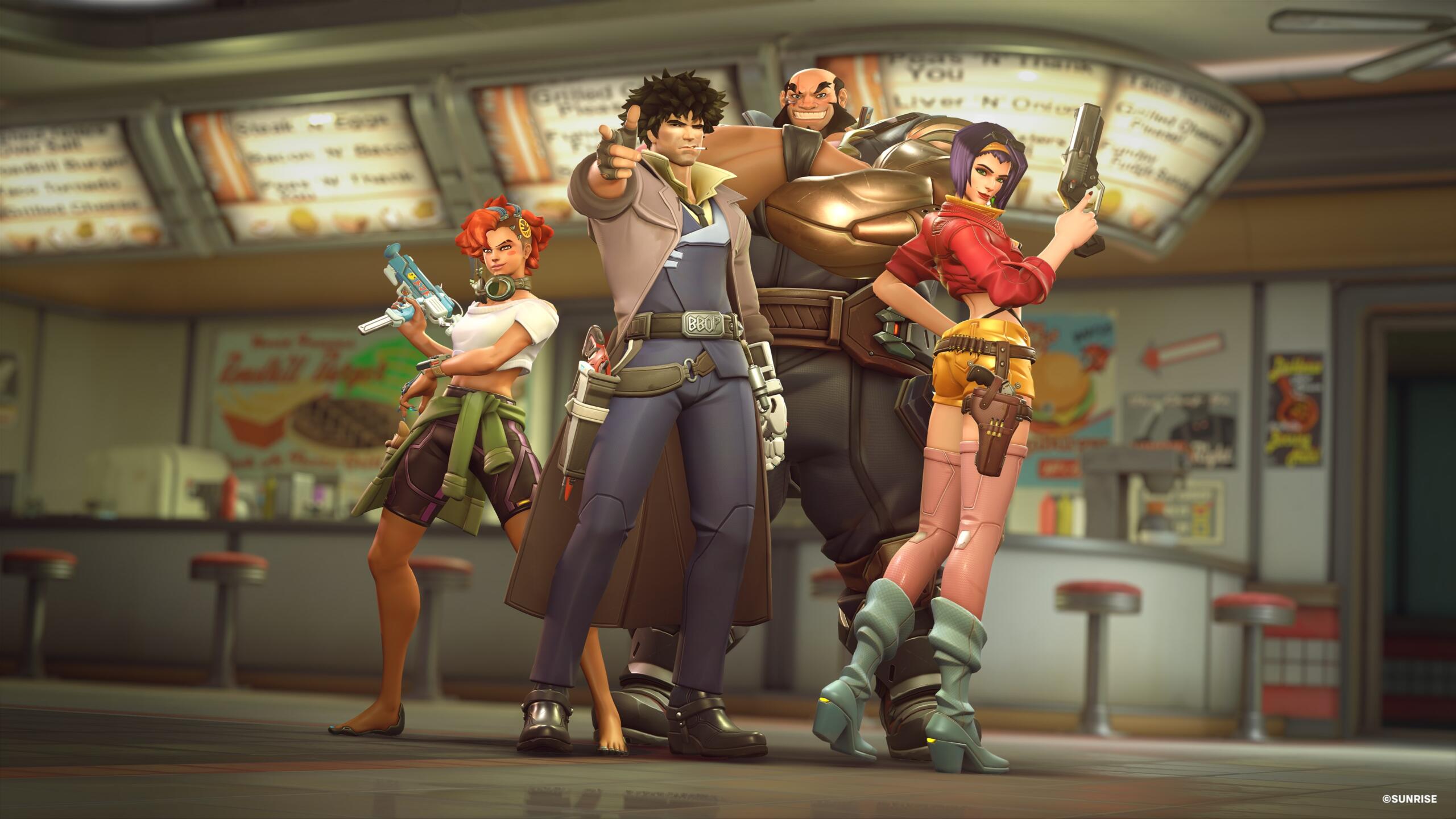
A screenshot from Overwatch 2 x Cowboy Bebop (2024), Blizzard Entertainment
READ: Grant Morrison Rips Lanterns Writer Damon Lindelof for Calling Green Lantern “Stupid”
Kaplan went on to argue that the current environment surrounding gaming discourse rewards negativity.
“It’s not difficult to sh*t on something,” he added. “Apparently, it takes a ton of courage to say ‘Hey, I actually like this thing.’”
Jeff Kaplan’s Comments Raise Questions About Player Feedback
Kaplan’s remarks quickly sparked debate across gaming communities, with many pointing out that consumers discussing games—even games they choose not to buy—is a normal and often necessary part of the entertainment ecosystem.
Players routinely evaluate trailers, gameplay demonstrations, developer interviews, and early reviews when deciding whether to purchase a title. For many consumers, discussing those impressions publicly is part of how the gaming community shares information and holds developers accountable.
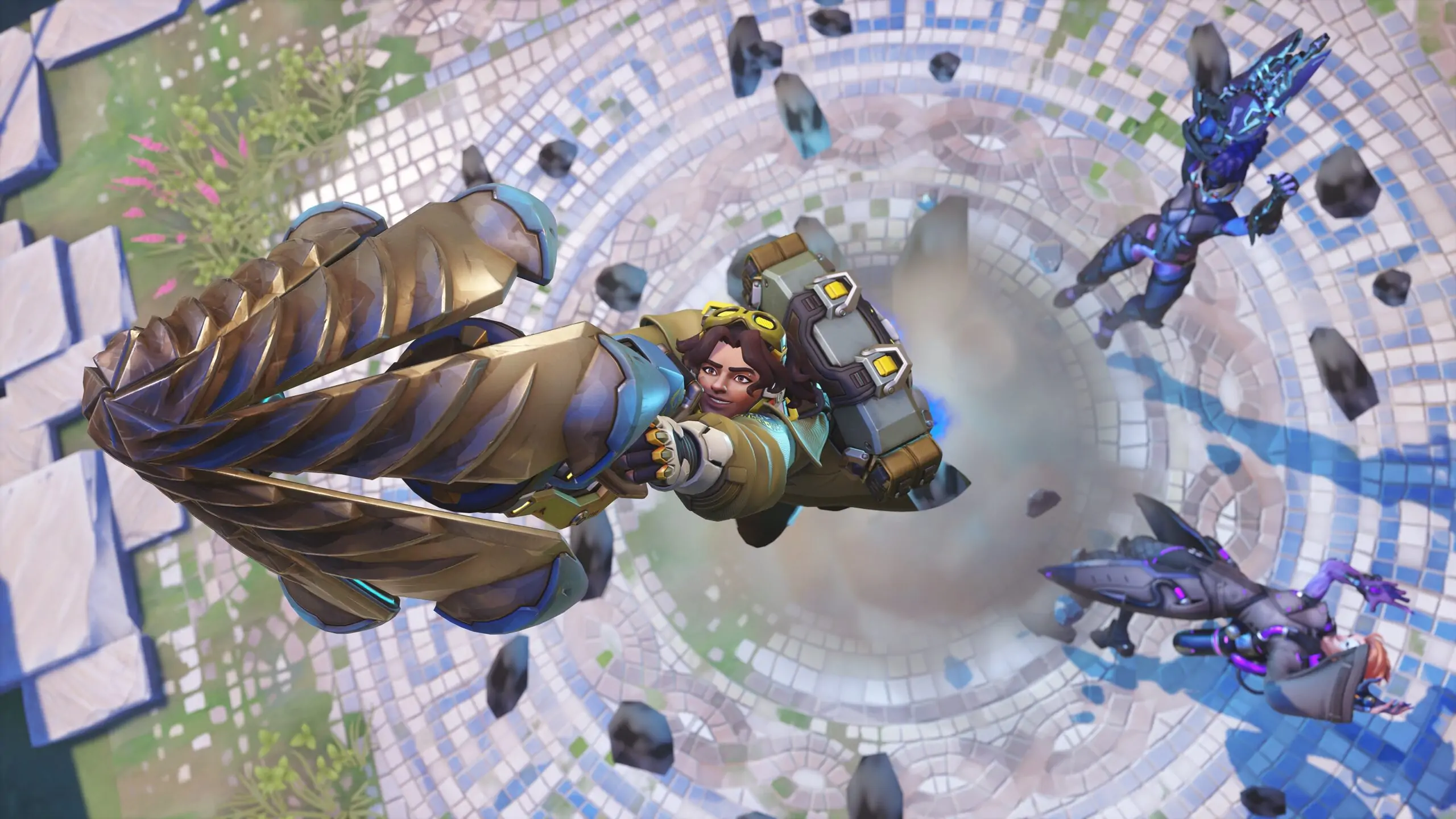
A screenshot of Venture from Overwatch 2 (2023), Blizzard
Critics of Kaplan’s comments argue that telling potential customers to stay silent unless they buy a game undermines that process.
After all, if players are expected to spend $60 or $70 before offering any opinion at all, developers would effectively be insulated from early criticism—something that runs counter to the way modern gaming communities function.
Gaming has long thrived on passionate discussion, whether it involves praising a beloved title or warning others about design choices that might turn players away.
A Shift in the Relationship Between Developers and Players
Kaplan built much of his reputation at Blizzard by cultivating a direct relationship with fans. During the early years of Overwatch, he regularly appeared in developer update videos where he spoke openly about balance changes, design decisions, and community feedback.
That approach helped establish him as one of the more recognizable and approachable figures in game development.

A screenshot from Highguard – Wildlight
READ: Seth Rogen ‘Darkwing Duck’ May Be Moving Forward
But the tone of his recent comments suggests growing frustration within parts of the industry over the increasingly critical nature of online gaming discourse.
Some developers have complained that social media amplifies negativity and encourages pile-ons when new games stumble out of the gate.
Jeff Kaplan Previously Revealed Pressure Behind His Blizzard Exit
Jeff Kaplan has also been unusually candid in recent months about the pressures he faced during his time at Blizzard. In a recent interview, he revealed that one of the reasons he ultimately left the company involved intense internal pressure tied to the financial performance of Overwatch.
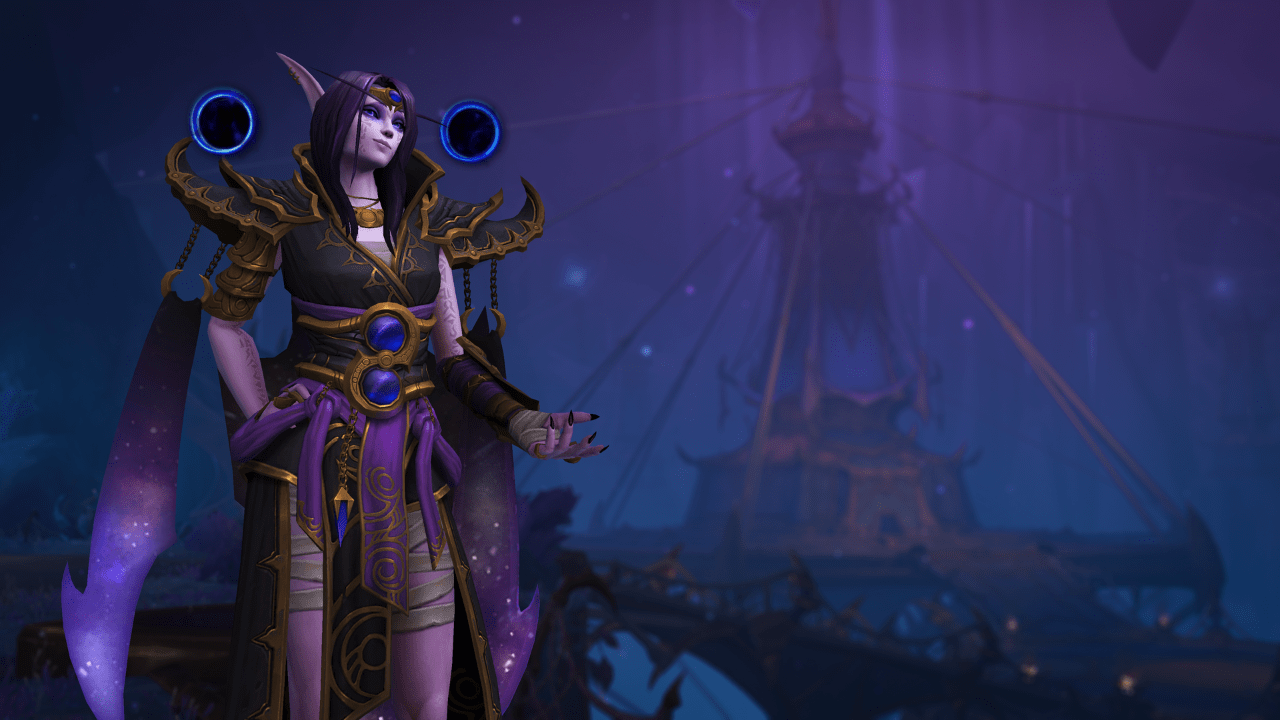
A screenshot from World of Warcraft: The War Within Alpha (2024), Blizzard
According to Kaplan, Blizzard leadership warned that if the game failed to meet certain revenue expectations, the company could potentially blame him for layoffs affecting roughly 1,000 employees.
The revelation offered a rare glimpse into the corporate pressures facing developers behind major franchises and may help explain some of the frustration Kaplan expressed during his recent Twitch stream.
Consumers Still Have the Right to Speak
While Kaplan’s frustration with online negativity may resonate with some developers, many players see his remarks as dismissive toward the very audience that ultimately determines whether a game succeeds.
Gaming is a consumer-driven industry. Players decide what succeeds, what fails, and what direction the medium moves in next.
That means discussion—positive and negative—is unavoidable.

A screenshot from Concord (2024), Firewalk Studios
READ: RUMOR: ‘The Mandalorian and Grogu’ Runtime Revealed
Consumers may choose not to play a game for any number of reasons: gameplay concerns, design philosophy, monetization practices, or even the tone of the marketing itself. Talking about those concerns publicly has long been part of how players decide whether a title is worth their time and money.
Kaplan’s comments highlight a growing tension between creators who feel overwhelmed by criticism and players who believe their voices are an essential part of the industry.
And for many gamers, the idea that they should simply stay silent unless they purchase a product is unlikely to gain much traction.

A screenshot of the character Bazz in Concord (2024), Firewalk Studios
In an industry built on passionate communities, debate about games—whether someone ends up playing them or not—isn’t going away anytime soon.
How do you feel about Jeff Kaplan telling players to “shut the f**k up?” Sound off in the comments and let us know!
UP NEXT: Grant Morrison Rips Lanterns Writer Damon Lindelof for Calling Green Lantern “Stupid”
