


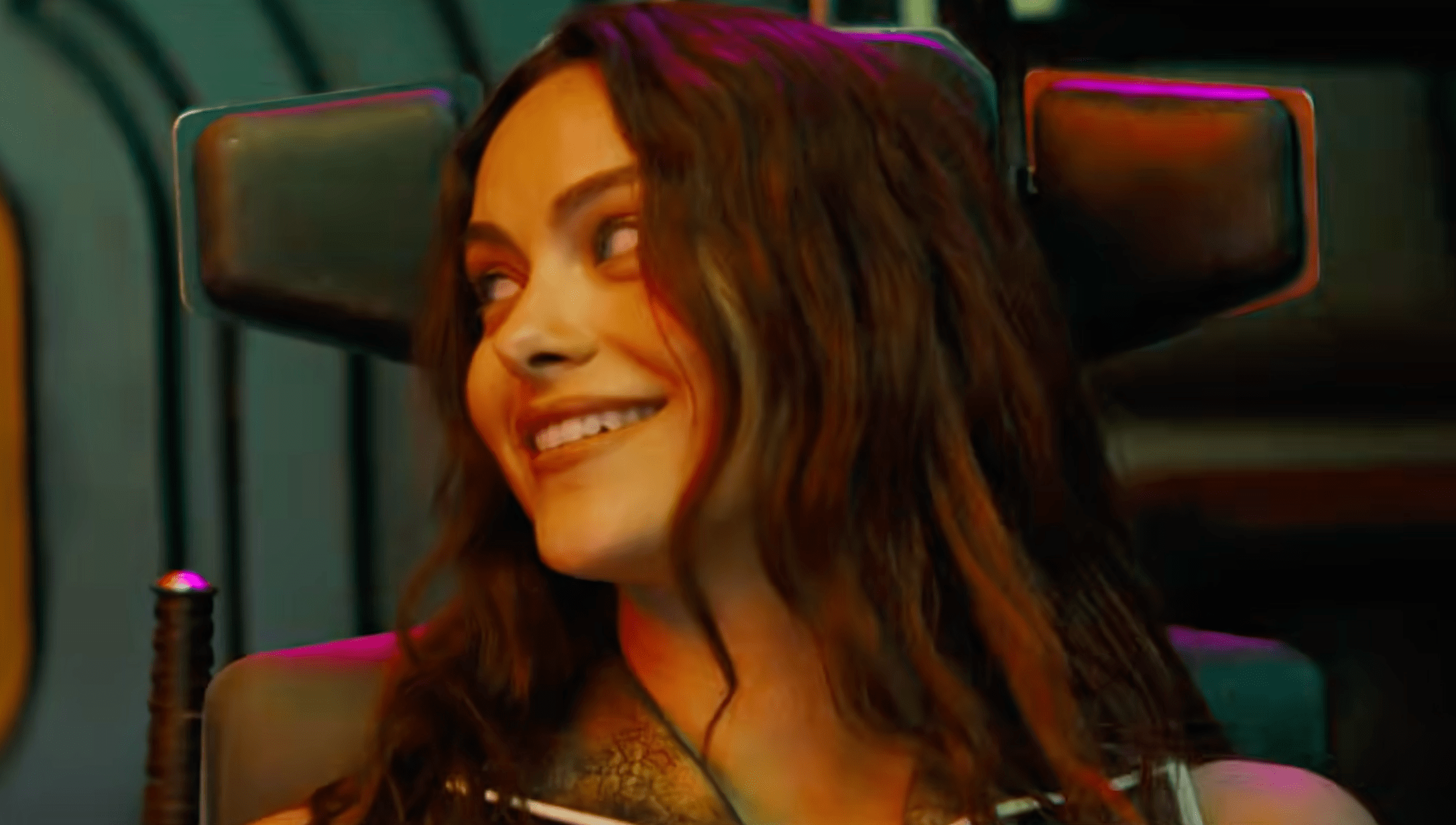
The upcoming Masters of the Universe film is once again finding itself pulled into a familiar cultural conversation, this time following new comments from Teela actress Camila Mendes that tie her character directly to themes of “toxic masculinity.”
The remarks add to a growing pattern of messaging surrounding the project, which has already sparked debate among fans after similar comments from director Travis Knight earlier this year.
Camila Mendes Describes Teela Through “Toxic Masculinity”
In a recent interview with Entertainment Weekly, Mendes outlined her interpretation of Teela, focusing heavily on the character’s upbringing and emotional defenses.

Teela in Masters of the Universe – YouTube, Amazon MGM Studios
READ: DOJ Takes Swing at NFL Antitrust Shield – Could This Finally Bring Back Free Games for Fans?
Here’s the full quote:
“It’s hard to talk about Teela without talking about her relationship to her father, because I feel like so much of who she is has to do with how she was, I guess, let down as a kid. And I feel like that really built this outer wall around her that’s sort of like shielding this inner sensitivity. She’s affected by toxic masculinity just as much as the men in the film. And I think she’s sort of adopted masculinity to protect herself in this very masculine world. It’s how she survives. She’s in survival mode, and has been for a very long time.”
Mendes’ comments frame Teela not just as a warrior, but as someone shaped by negative male influences, suggesting that her strength is, at least in part, a response to that environment.
Not the First Time the Film Has Used This Language
This isn’t the first time Masters of the Universe has been linked to this kind of terminology.
As previously reported, director Travis Knight made headlines when discussing the film’s themes, going so far as to describe Skeletor in similar terms.
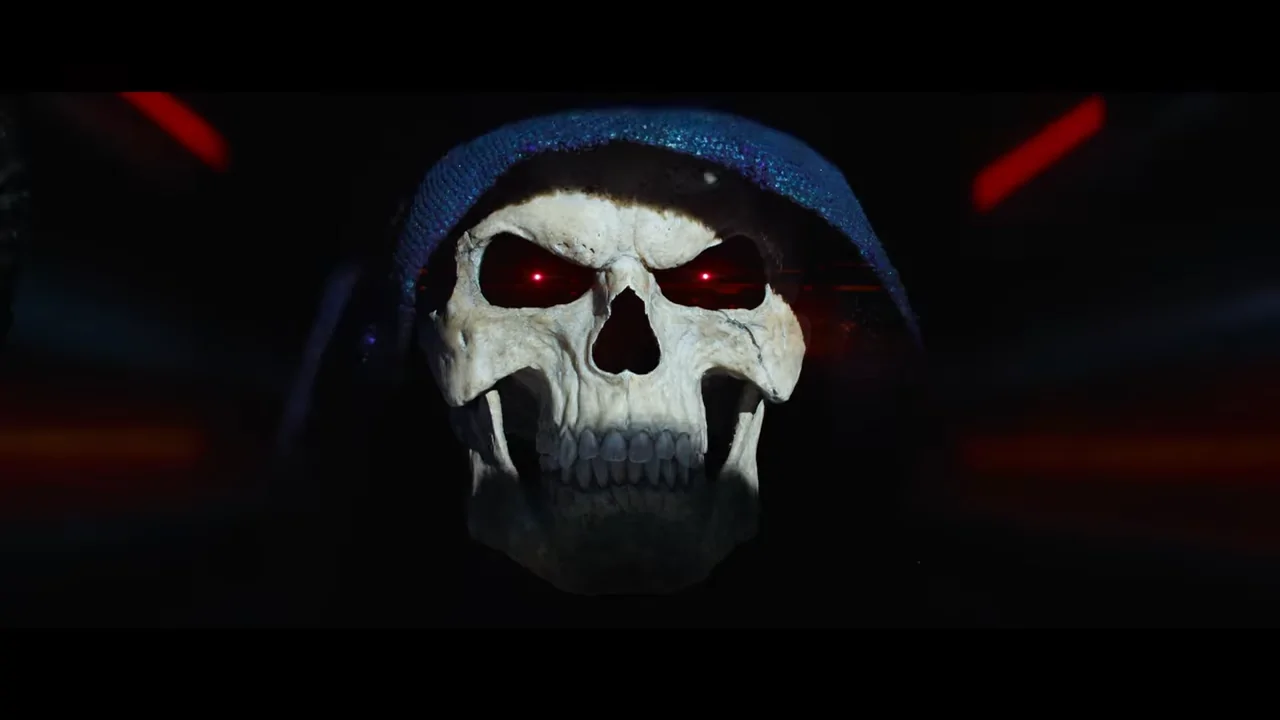
Jared Leto as Skeletor in Masters of the Universe – Amazon MGM Studios, YouTube
READ: Viggo Mortensen Recast as Aragorn in ‘The Lord of the Rings: The Hunt for Gollum’
That earlier comment raised eyebrows at the time, though some fans brushed it off as a poor choice of wording rather than a clear indication of the film’s direction.
With Mendes now reinforcing similar ideas, it’s becoming harder to dismiss the language as incidental.
A Familiar Tension for Fans
The Masters of the Universe toxic masculinity discussion highlights a broader tension that continues to surface around modern franchise films.
Stories about flawed characters, personal growth, and complicated relationships are nothing new—especially for a property like Masters of the Universe, which has always explored themes of power and responsibility.
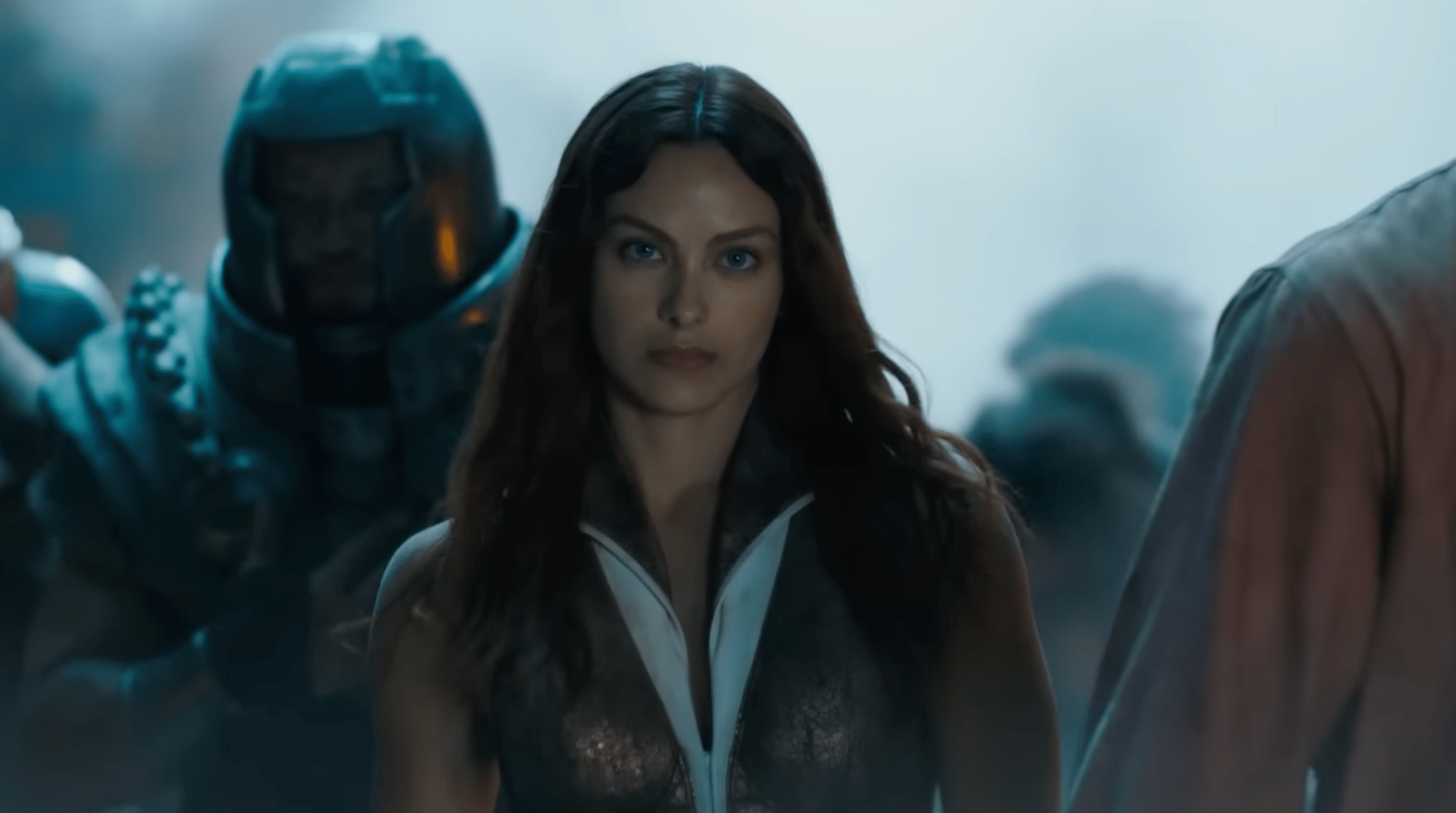
Teela in Masters of the Universe – YouTube, Amazon MGM Studios
But the specific terminology being used here is what tends to shift the conversation.
For many, phrases like “toxic masculinity” aren’t neutral descriptors—they’re widely seen as progressive-coded language used to frame male behavior in a negative light. Once that terminology enters the conversation, it stops being just about character development and starts feeling like a broader ideological statement, pulling the film directly into culture war territory.
Messaging vs. Storytelling
What’s notable is how quickly the conversation around the film pivots when these comments surface.
Instead of focusing on the scale of the production, the casting of Nicholas Galitzine as He-Man, or the visual direction seen in early trailers, attention shifts back to messaging.

He Man in Masters of The Universe – YouTube, Amazon MGM Studios
That shift can be significant for a legacy franchise trying to appeal to both longtime fans and a new audience.
There’s nothing inherently controversial about giving Teela emotional depth or exploring her past. In many cases, that kind of character work strengthens a story.
The challenge comes when the language surrounding that development becomes the headline rather than the story itself.
Culture war films have been box office poison for several years now, with movies like One Battle After Another, The Marvels, Captain America: Brave New World, and many more flopping hard at the box office.
The Bigger Picture for Masters of the Universe
At the end of the day, the success of Masters of the Universe won’t be decided by interviews.
It’ll come down to whether the film delivers on what audiences expect from the brand—adventure, heroism, and a compelling journey in the world of Eternia.

Jared Leto as Skeletor in the Masters of the Universe trailer – YouTube @AmazonMGMStudios
But as long as terms like “toxic masculinity” continue to surface in promotional conversations surrounding Masters of the Universe, they’re likely to remain part of the narrative—whether the studio intends it or not.
Do you think Masters of the Universe will be about toxic masculinity? Sound off in the comments and let us know!
UP NEXT: Pedro Pascal Signs Paramount Merger Opposition Letter as Activism Becomes Central to His Brand
