


For years, Oscar-winning screenwriter Roger Avary struggled to finance traditional films. Then he added two letters to his pitch: AI.
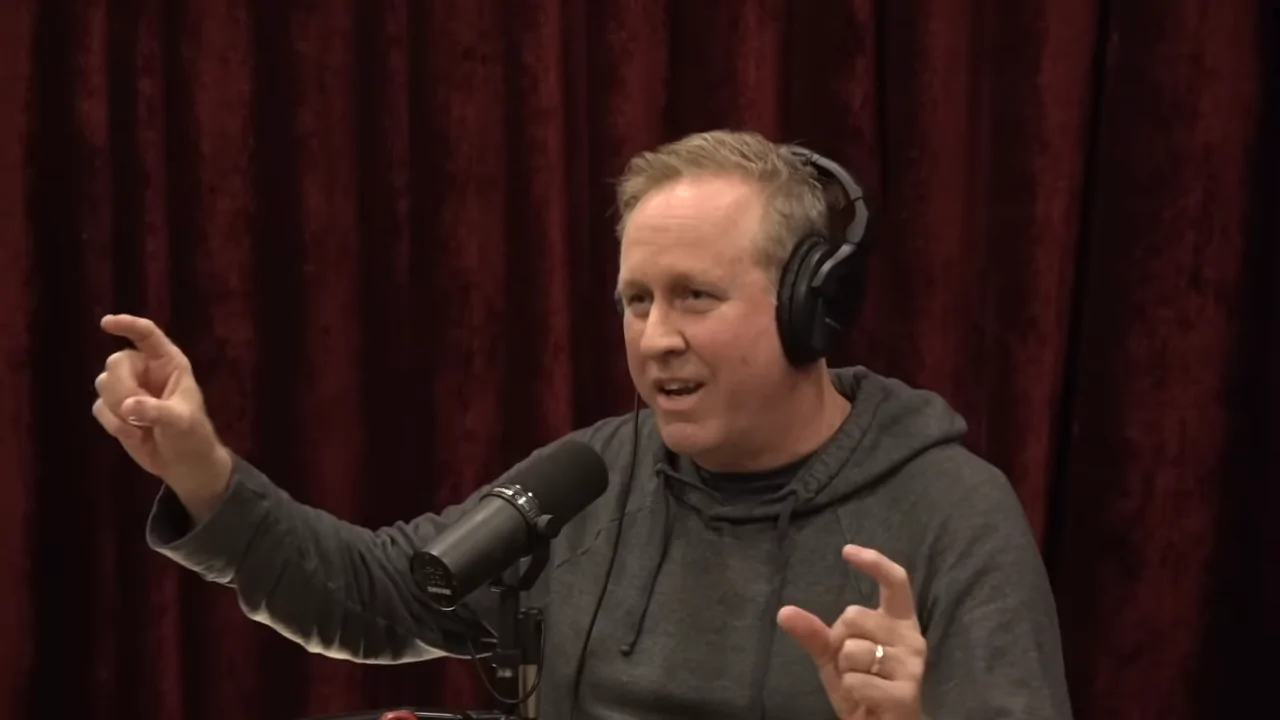
In an interview on The Joe Rogan Experience, Roger Avary, the co-writer of Pulp Fiction, shared his experience. He explained that it seems like it’s almost impossible to “get stuff made” through the traditional channels after writing a script and figuring out the budget. “Then I built a technology company over the last year,” Avary said, “basically making AI movies and all of a sudden—boom like that—money gets thrown at it.”
From Struggle to AI Success
After his Oscar win, Avary could have reasonably been expected to become one of the most prolific voices in Hollywood. While he went on to write the adapted screenplays for Rules of Attraction (which he also directed) and Beowulf, Avary has only directed four films since his 1993 debut, Killing Zoe. According to Avary, the issue was never that he lacked ideas—simply that he couldn’t generate interest from investors.

Roger Avary – The Joe Rogan Experience, YouTube
However, starting an AI-focused film production company seems to have changed the dynamic. The director said he has partnered with Massive Studios AI to develop a proprietary technology stack for development, and started his own company, General Cinema Dynamics.
Avary told Rogan that “just by attaching the word ‘AI’… investors came in.” He is currently in production on three films. “The crazy thing is that it was so easy for me to get that going and so difficult for me to get a traditional movie going through the traditional route,” Avary said.
In a film economy increasingly driven by risk management and scalability, AI may function less as an artistic revolution and more as a financial signal—one that promises efficiency, novelty, and alignment with broader tech investment trends.
His upcoming projects include a family Christmas movie that will be in theaters this holiday season. He’s also working on a faith-based film slated for an Easter release, and a “big, romantic war epic.” Avary’s embrace of AI comes amid a very different kind of war as industry tensions continue rising over automation and creative labor, particularly following last year’s union negotiations over AI usage.
Industry Resistance
Avary’s enthusiasm stands in stark contrast to a segment of Hollywood that views AI as an existential threat—not a tool but a replacement. At an awards ceremony last year, director Guillermo del Toro bluntly dismissed AI, arguing that it removes the human element from storytelling. Avary expressed admiration for del Toro, but emphasized that AI is simply another form of visual effects—something he has long experience with.

Beowulf (2007) – Rotten Tomatoes Classic Trailers, YouTube
READ: Hollywood Signals It Will Make Deals with Big Tech AI Rather Than Fight Forever
While the CGI effects for Beowulf were extremely expensive, Avary said that the same results can be achieved for considerably less money. “I think for independent cinema and for the future of film and television production, these are super exciting times,” Avary said.
The Investor Signal
In an interview with Film Threat, Avary expanded on those observations. If traditional studio development is slowed by layers of approval and risk aversion, AI-driven production may appear to investors as a streamlined alternative—fewer gatekeepers, lower upfront costs, and potentially faster returns. “It’s not for the want of somebody to express themselves creatively,” Avary said. “There are so many people out there who are just dying to get their ideas on screen and now it’s possible.”

Roger Avary on Film Threat – Film Threat, YouTube
READ: Terra Treats at Animal Kingdom Swaps out Hot Dogs for Ice Cream
Even as production methods evolve, investors’ primary interest—maximizing returns—remains unchanged. Whether AI reshapes storytelling remains to be seen. What is already clear is that, in a risk-averse industry, the mere promise of AI is opening doors that traditional pitches no longer can.
What do you think of Roger Avary’s comments about AI attracting investors? Let us know in the comments!
UP NEXT: Star Trek Artist Warns Fans That “Review Bombing” Starfleet Academy Could End the Franchise
