


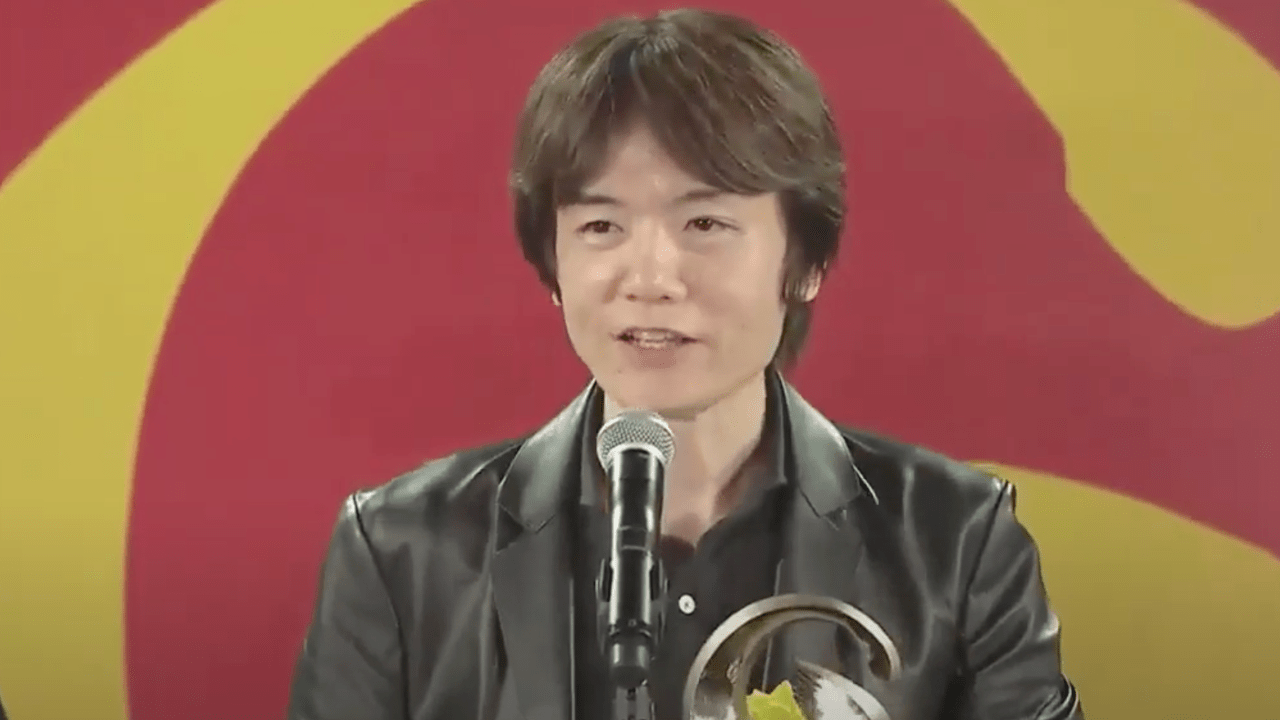
Japanese gaming icon Masahiro Sakurai, creator of Super Smash Bros. and Kirby has made headlines for his sharp insights on the state of the gaming industry and the Western trends currently dragging it down. Sakurai was recently honored with Japan’s prestigious Art Encouragement Prize from the Agency for Cultural Affairs, recognizing his outstanding contributions to the gaming industry through his Masahiro Sakurai on Creating Games YouTube channel. Following this achievement, Sakurai participated in an interview with Entax where he addressed a growing trend plaguing the gaming world: the prioritization of Western tastes over authentic, homegrown creativity.
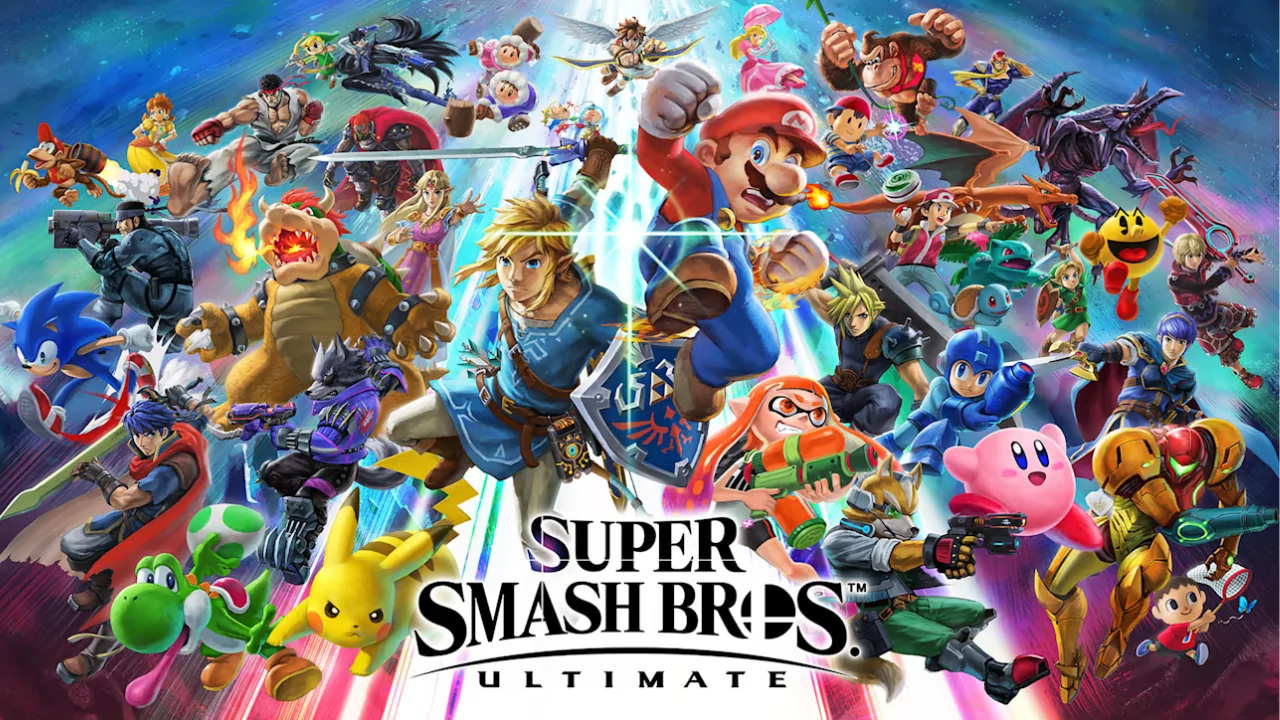
Super Smash Bros. Ultimate (2018), Bandai Namco Studios
Sakurai stressed that Japanese developers should focus on making games with domestic appeal, rather than chasing what they believe Western audiences want. He plainly stated, “I think Japanese people should keep pursuing the things that Japanese people like.” This simple yet powerful statement carries major weight in today’s climate where many developers—both in Japan and the West—are bending over backwards to accommodate Western sensibilities, often at the cost of creativity and uniqueness.
Sakurai’s perspective isn’t just relevant—it’s a necessary reality check. The Western gaming industry has found itself stuck in a creative rut, obsessed with forcing social agendas, token characters, and politically correct narratives into its titles rather than focusing on delivering engaging, well-crafted experiences. This misguided focus has come at a steep cost, not just creatively but financially.
Audiences are turning away in droves, disillusioned by the pandering and lack of substance.

A screenshot from Super Smash Bros. Ultimate (2018), Nintendo
The most telling part of Sakurai’s comments? He doesn’t believe that Western gamers are even asking for these so-called “Americanized works.” Instead, he suggests they are drawn to Japanese games precisely because of their distinctive charm, unfiltered storytelling, and unapologetic design choices. This sentiment by Sakurai is one that’s been echoed across fanbases tired of Western gaming studios injecting overt political agendas and social narratives into what used to be straightforward entertainment.
This perspective arrives at an opportune moment. Silent Hill fans recently saw producer Motoi Okamoto express a similar view, explaining that the upcoming Silent Hill f will return to its Japanese roots after years of Western influence watered down the franchise’s core identity. Okamoto openly admitted, “As [Silent Hill] was based in the West for the longest time, it felt like the Japanese influence was fading.” That candid recognition speaks volumes about how far off-track even beloved franchises can veer when trying to cater to ideologies outside their original vision.

A screenshot from Star Wars Outlaws (2024), Ubisoft
Meanwhile, the Western gaming industry is struggling to understand why its once-loyal audiences are walking away. Massive projects like Star Wars Outlaws and Dragon Age: The Veilguard have faced harsh criticism and backlash for prioritizing diversity checklists, shallow characters, and forced messaging over compelling gameplay and storytelling. Both games were once part of legendary franchises, but now fans see them as mere hollow shells, pumped out by studios more interested in Twitter approval than crafting unforgettable worlds.
Star Wars Outlaws, in particular, has drawn flak for abandoning the feel of classic Star Wars adventure in favor of inserting generic modern sensibilities, alienating longtime fans. Similarly, Dragon Age: The Veilguard faced instant mockery after its reveal, with its cast of caricatures and sanitized designs that seem more concerned with meeting DEI standards and pushing gender politics than offering the gritty, morally complex fantasy storytelling the series was once known for.
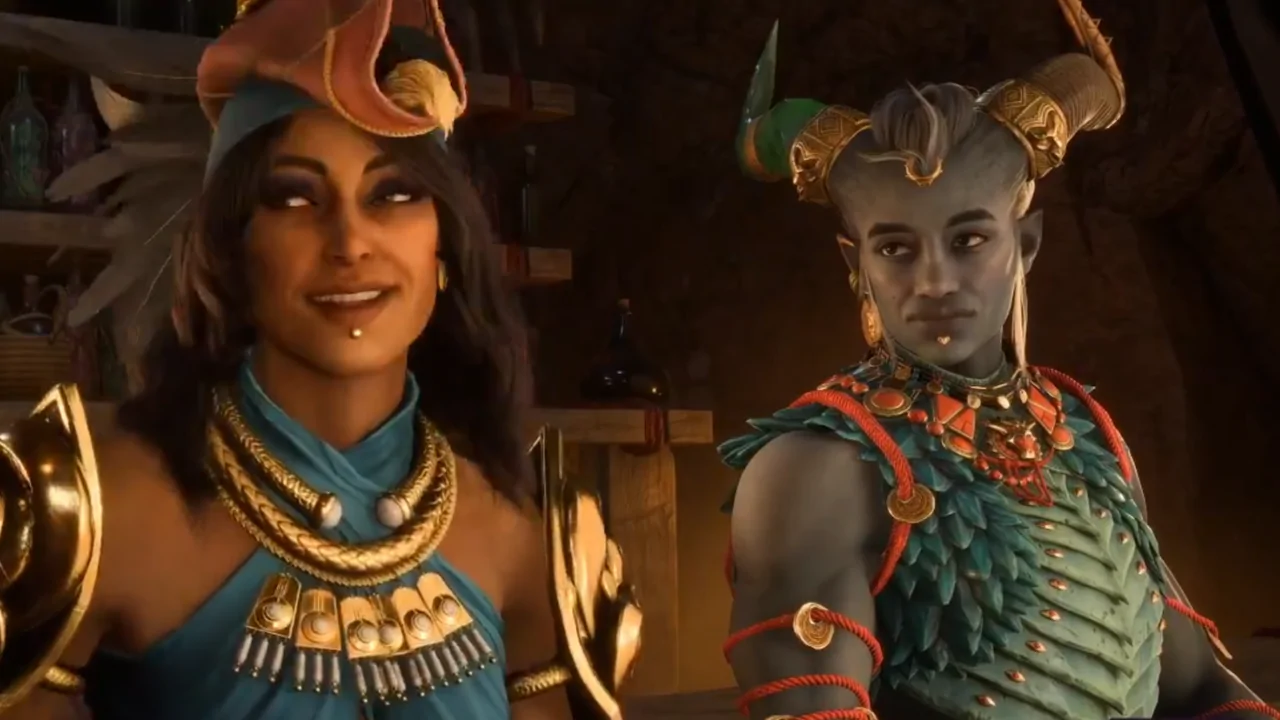
A screenshot from Dragon Age: The Veilguard (2024), BioWare
Gamers aren’t interested in lectures—they’re looking for fun, immersion, and originality, the very things Japanese developers excel at when left to their own devices. Sakurai’s comments shine a light on why studios like Nintendo, Capcom, FromSoftware, and others continue to thrive. They focus on delivering polished, unique, culturally authentic games that stand apart from the homogenized offerings flooding the Western market.
Mr. Sakurai’s approach is a breath of fresh air. Rather than chasing fleeting trends, he advocates for staying true to what made Japanese games beloved in the first place. It’s a lesson Western studios might want to consider as they continue to churn out formulaic titles that prioritize ideology over entertainment. Gamers have spoken with their wallets—and the message is clear.
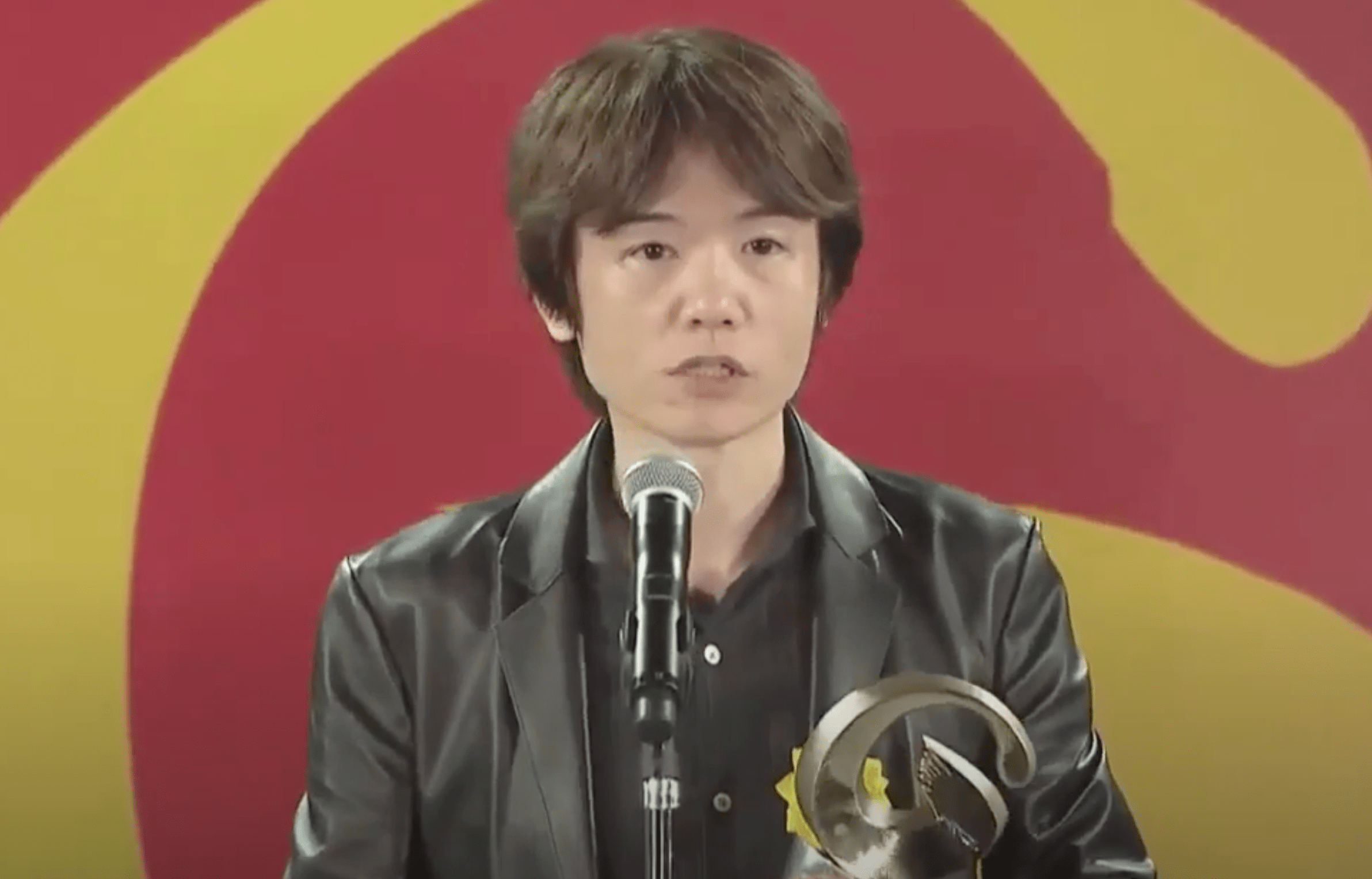
Nintendo’s Masahiro Sakurai – YouTube, Mamoru Subs
Japanese developers are poised to thrive by doing what they’ve always done best—focusing on creativity, craftsmanship, and cultural authenticity. Sakurai’s comments, and the resurgence of titles like Silent Hill f, make it clear: the future of gaming belongs to those bold enough to resist homogenization.
Do you agree with Mr. Sakurai on Western gaming trends? Sound off in the comments and let us know!
