


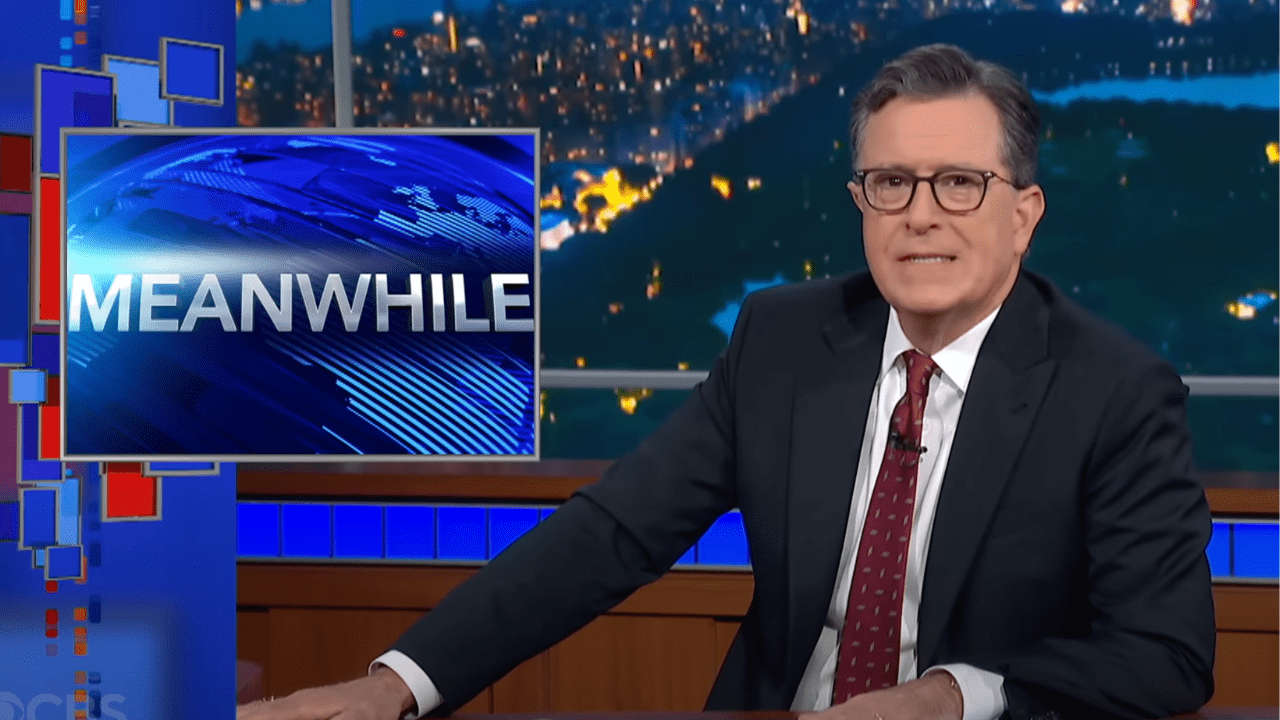
Stephen Colbert took aim at his own corporate parent this week, joking on The Late Show about Paramount’s eye-popping $108 billion hostile bid for Warner Bros. Discovery and questioning why CBS would cancel his program if the company supposedly has that kind of money to spend.
While Colbert’s monologue was clearly played for laughs, the joke itself neatly illustrates the very financial reality driving decisions like the cancellation of The Late Show: massive, debt-heavy corporate acquisitions demand ruthless cost discipline — and expensive, money-losing legacy shows are exactly the kind of assets that get cut.

Stephen Colbert interviews Jimmy Kimmel – YouTube, The Late Show With Stephen Colbert
The Colbert Paramount situation isn’t about politics, retaliation, or creative differences. It’s about balance sheets.
A Massive Deal With Massive Financial Consequences
Earlier this week, Paramount, led by CEO David Ellison, launched a hostile bid to acquire Warner Bros. Discovery, offering $30 per share in cash and valuing the deal at more than $108 billion. The offer came just days after Warner Bros. Discovery agreed to a competing $82.7 billion deal with Netflix.
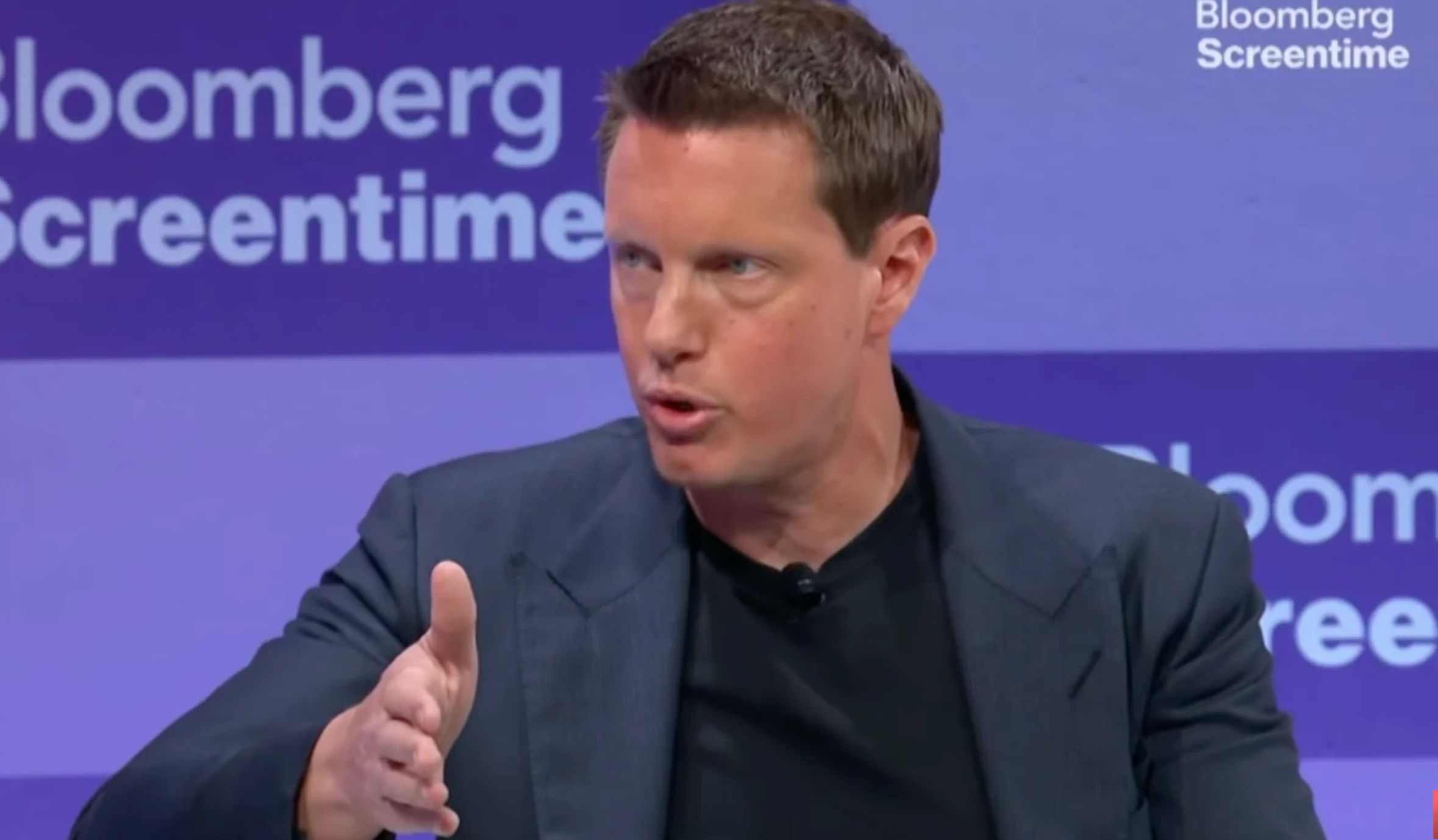
David Ellison in an interview with Bloomberg – YouTube, Bloomberg Podcasts
According to The Hollywood Reporter, Paramount’s proposal is not a simple cash purchase. The bid includes approximately $24 billion in financing from sovereign wealth funds tied to Saudi Arabia, Qatar, and Abu Dhabi — capital that comes with long-term obligations and heightened financial scrutiny.
This kind of leveraged mega-deal isn’t a sign of excess cash lying around. It’s a signal that Paramount is preparing for years of debt service, integration costs, restructuring, and shareholder pressure to deliver returns.
And that’s where Colbert’s joke falls apart.
Why CBS Cited Cost Concerns — And Meant It
CBS announced back in July that The Late Show with Stephen Colbert would end after its current season, citing cost concerns as the primary reason. At the time, the network stated that the show reportedly loses around $40 million annually.

Stephen Colbert dances around with human needles – YouTube, The Late Show With Stephen Colbert
READ: EDITORIAL: Holiday Memories Are About The WHO, NOT the Where, When, or Whats
That figure has circulated widely in industry reporting and was reiterated in The Hollywood Reporter’s coverage of Colbert’s monologue. Whether the exact number fluctuates year to year, the broader point remains unchanged: late-night network television is an increasingly expensive format with declining returns.
Advertising dollars have migrated elsewhere. Linear ratings continue to erode. Production costs — especially for talent-driven shows — remain high. In a world where streaming platforms, shareholders, and lenders demand efficiency, those economics are increasingly untenable.
Debt Changes Everything
Colbert’s quip — “if my company’s got that kind of green, I’m sure they can afford to un-cancel one of their best shows” — ignores a basic principle of corporate finance: money earmarked for acquisitions is not interchangeable with operational spending.
In fact, the opposite is true.
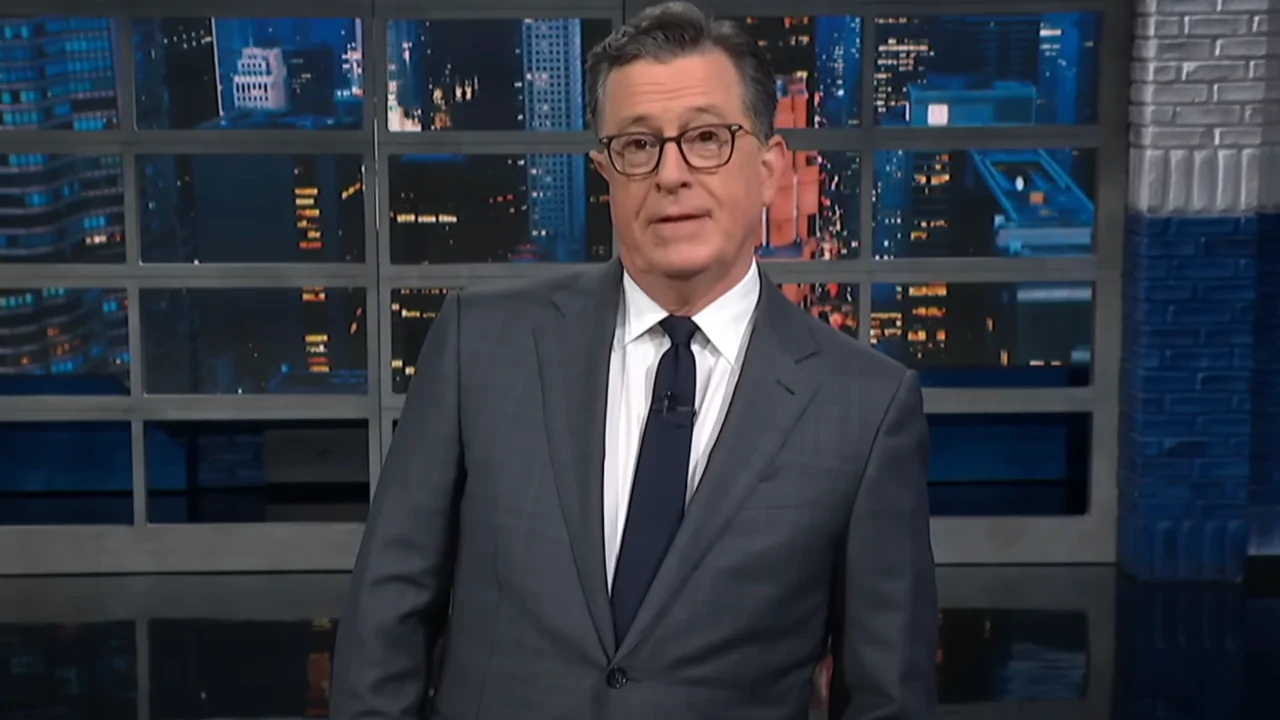
Stephen Colbert Delivers a Monologue on The Late Show – YouTube, The Late Show With Stephen Colbert
Large acquisitions typically force companies to tighten their belts elsewhere. Cost-cutting accelerates. Redundant or underperforming divisions are trimmed. High-cost programming that doesn’t generate proportional revenue becomes an obvious target.
From that perspective, The Late Show cancellation isn’t a contradiction of Paramount’s ambitions — it’s a prerequisite for them.
Comedy vs. Corporate Reality
Colbert also joked about the involvement of Middle Eastern sovereign wealth funds in the deal, landing laughs from his studio audience. But again, humor aside, the involvement of outside capital only increases the pressure on Paramount to demonstrate fiscal discipline and operational efficiency.
Those investors aren’t funding prestige programming for goodwill. They expect returns.

Stephen Colbert on The Late Show With Stephen Colbert – YouTube, The Late Show With Stephen Colbert
READ: The Rock Scores First Golden Globes Nomination for The Smashing Machine
And shows that reportedly lose tens of millions of dollars per year are difficult to justify under that kind of scrutiny.
The Bigger Picture
The Colbert Paramount moment illustrates a larger shift happening across legacy media. As consolidation accelerates and debt loads grow, sentimentality gives way to spreadsheets. Brand legacy matters less than profitability. Cultural relevance doesn’t outweigh recurring losses.

Jimmy Kimmel appears on Stephen Colbert’s show – YouTube, The Late Show With Stephen Colbert
Colbert’s monologue may have entertained his audience, but the business logic behind CBS’s decision remains sound. In an era defined by mega-mergers and mounting financial risk, cutting expensive, underperforming shows isn’t hypocrisy — it’s survival.
Do you think Paramount was justified in canning Colbert? Sound off on social media and let us know!
UP NEXT: Clair Obscur: Expedition 33 Dominates the Game Awards With Historic Game of the Year Win
