


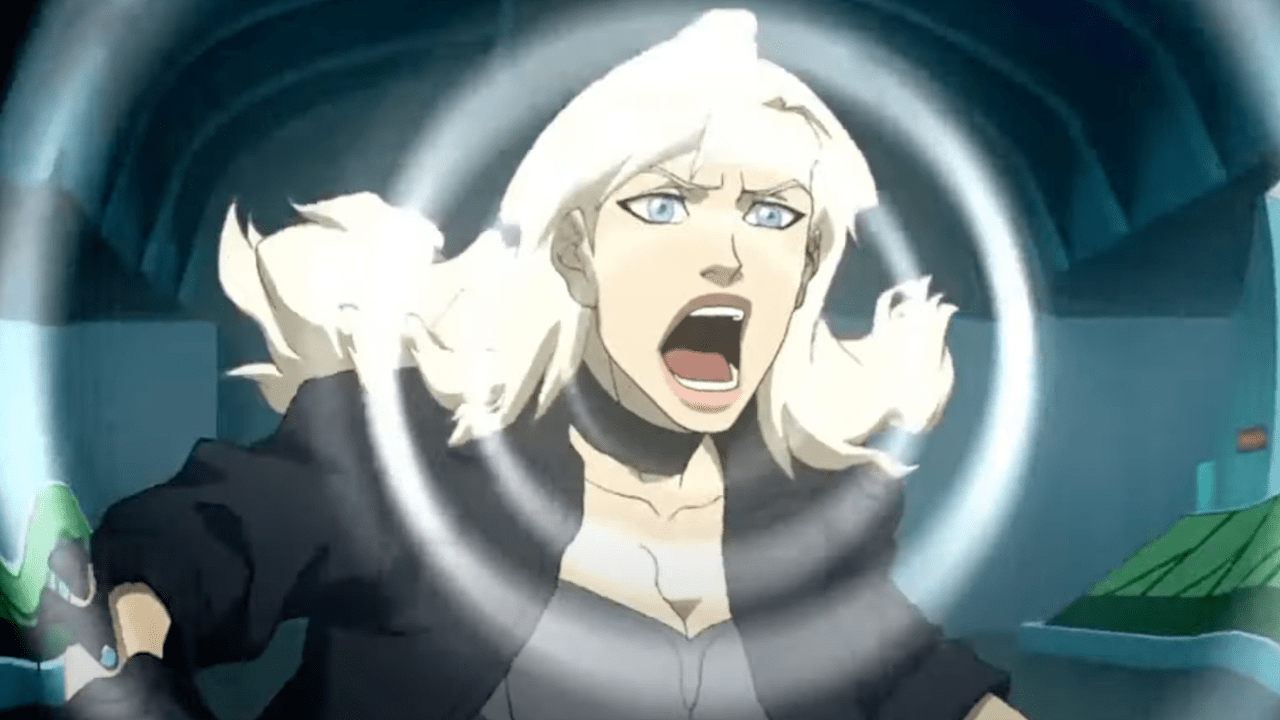
The rewriting of Black Canary’s origin by Tom King in Black Canary: Best of the Best is the latest example of a troubling trend in modern comics and pop culture in general: the systematic erasure of male mentors from female characters’ stories.
This trend often claims to empower women but, in reality, diminishes the rich diversity of relationships that made these stories resonate across generations.
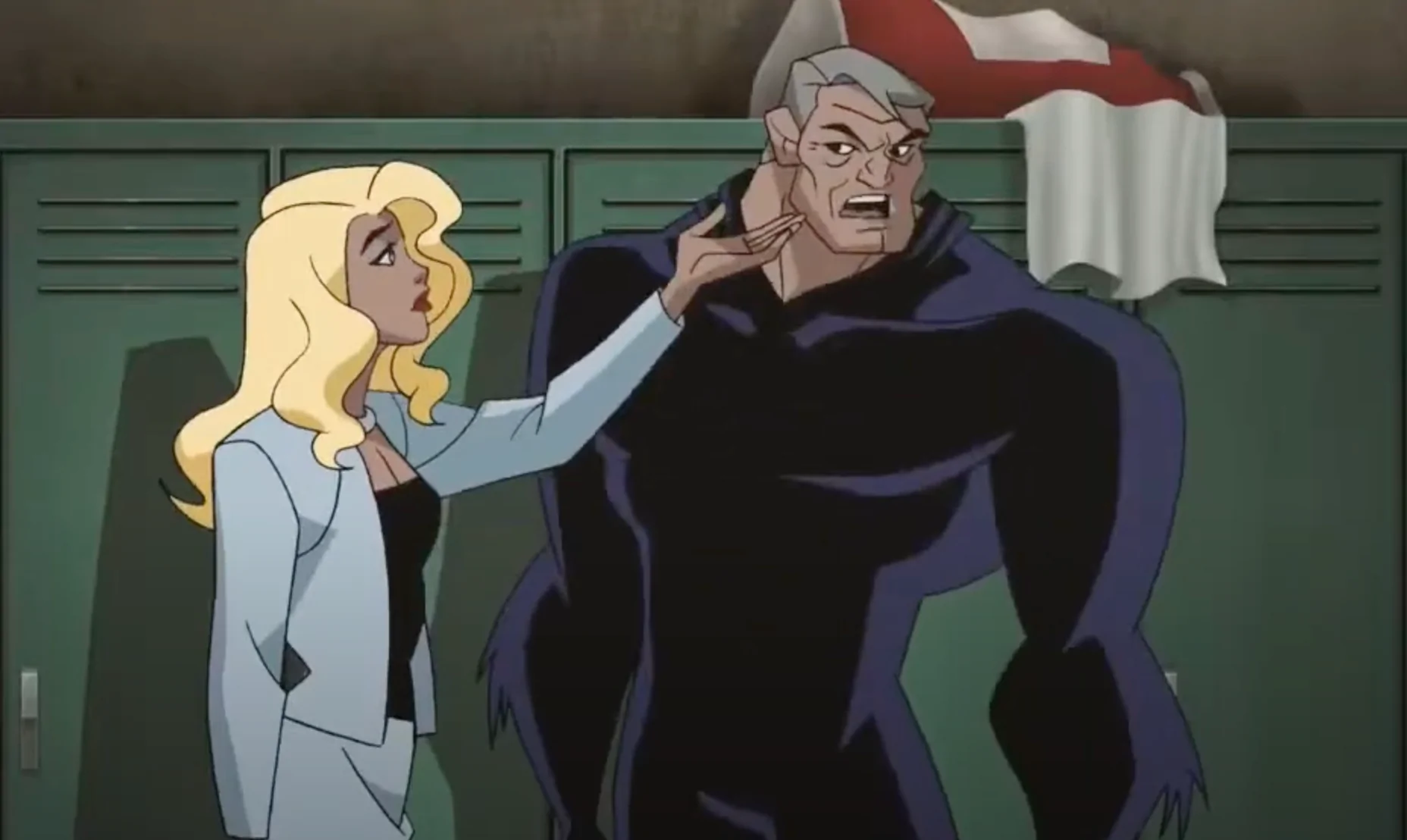
Black Canary and Wildcat in Justice League Unlimited – Max
In King’s reimagined origin, Dinah Lance, the modern Black Canary, is no longer trained by Ted Grant, the legendary Wildcat, who was pivotal in her transformation into DC’s best hand-to-hand fighter. Instead, her mother, Dinah Drake, the original Black Canary, has taken over the role of mentor.
While this change is meant to strengthen the legacy of the Black Canary mantle and deepen the mother-daughter dynamic, it removes a vital aspect of Dinah Lance’s backstory: her relationship with a seasoned male fighter who challenged and refined her abilities.
This revision echoes similar recent changes in storytelling, such as Netflix’s live-action adaptation of Avatar: The Last Airbender.

Avatar: The Last Airbender. Kiawentiio as Katara in episode 101 of Avatar: The Last Airbender. Cr. Robert Falconer/Netflix © 2023
In the original series, Katara earns the respect of Master Pakku by facing him in combat despite being severely overmatched. The old master then trains her to master waterbending and she becomes his star pupil. In the Netflix version, Katara inexplicably skips this arc, becoming her own master without the critical journey of growth that defined her character.
It was also on full display in Star Wars: The Last Jedi, when the character Rey seeks out Luke Skywalker to train her to become a Jedi. Only Luke does very little in the way of instruction. Instead, he sulks around an island drinking green alien milk before losing to his supposed apprentice in a fight.
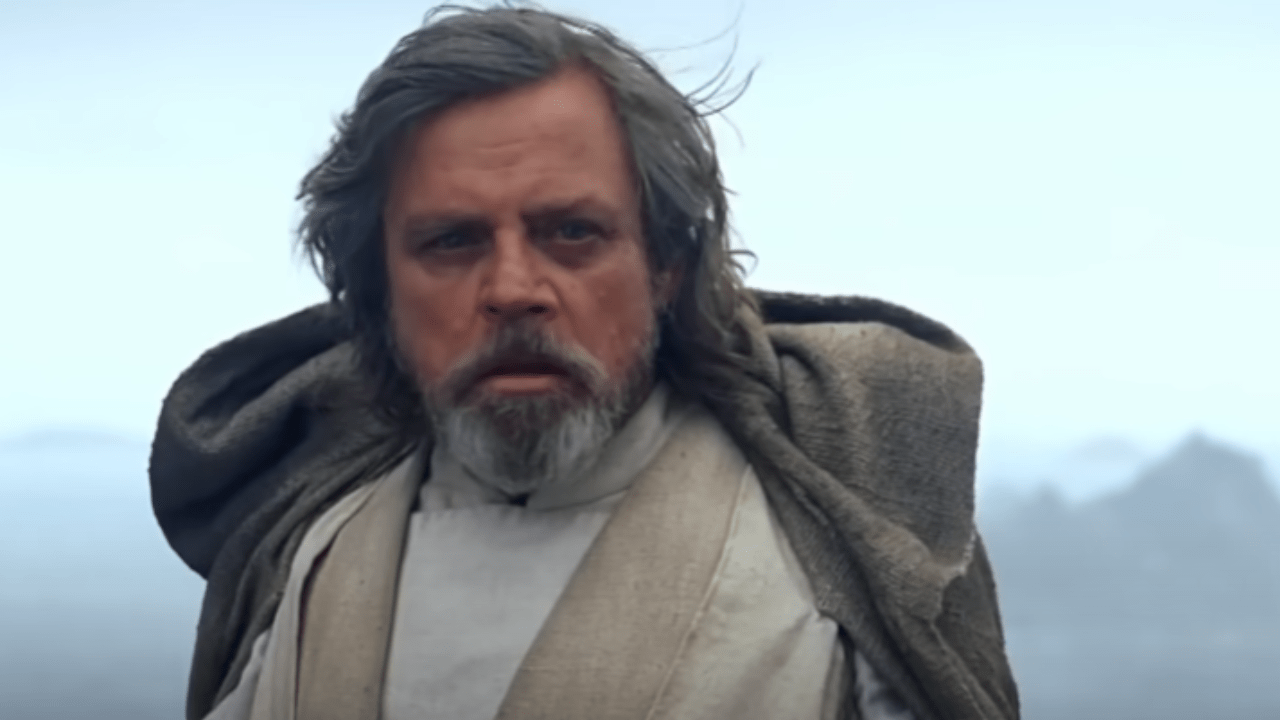
Mark Hamill as Luke Skywalker in The Force Awakens (2015), Lucasfilm
READ: ‘Variety’s’ Female Directors Debate: The Shocking Box Office Truth Hollywood Won’t Admit
These changes seem to stem from an aversion to portraying female characters learning from male mentors, even when those relationships are central to their development.
Black Canary: A New Origin for a ‘Modern Audience’
The new Black Canary miniseries by Tom King and Ryan Sook, part of DC’s Black Label, focuses on Dinah Lance as she faces Lady Shiva to determine DC’s greatest fighter. King’s updated origin consolidates decades of lore, emphasizing Dinah’s legacy as a second-generation superhero.
In his interview with Comic Book Resources (CBR), King explained his reasoning.
A photo of Tom King – Photo Credit: Bounding Into Comics
“What I clung to was, what I think is the essential part of her, which is the legacy aspect, which is, you know, obviously at the heart of all DC things,” King said, despite his reputation for giving characters nonsensical modern day updates that spit in the face of their established legacies. “And you know, the idea that her mother was a Golden Age hero who fought in Gotham and those old Kanigher stories, that those are in continuity, and that Dinah is a superhero who inherited that and joined the Justice League. That was the aspect I thought seemed the most solid and the most compelling to me.”
While King’s emphasis on legacy is commendable on paper, his choice to remove Ted Grant from the narrative sidelines an important part of Dinah’s history. Wildcat was not just a mentor; he was a bridge between the Justice Society of America and the modern Justice League, connecting Black Canary to a rich tapestry of heroes.
His presence added complexity to her story, showcasing how different generations can inspire and challenge one another.
Tom King’s History of Controversial Changes
King’s revision of Black Canary’s origin is not an isolated instance. Throughout his career, he has made bold—and often divisive—changes to beloved characters.
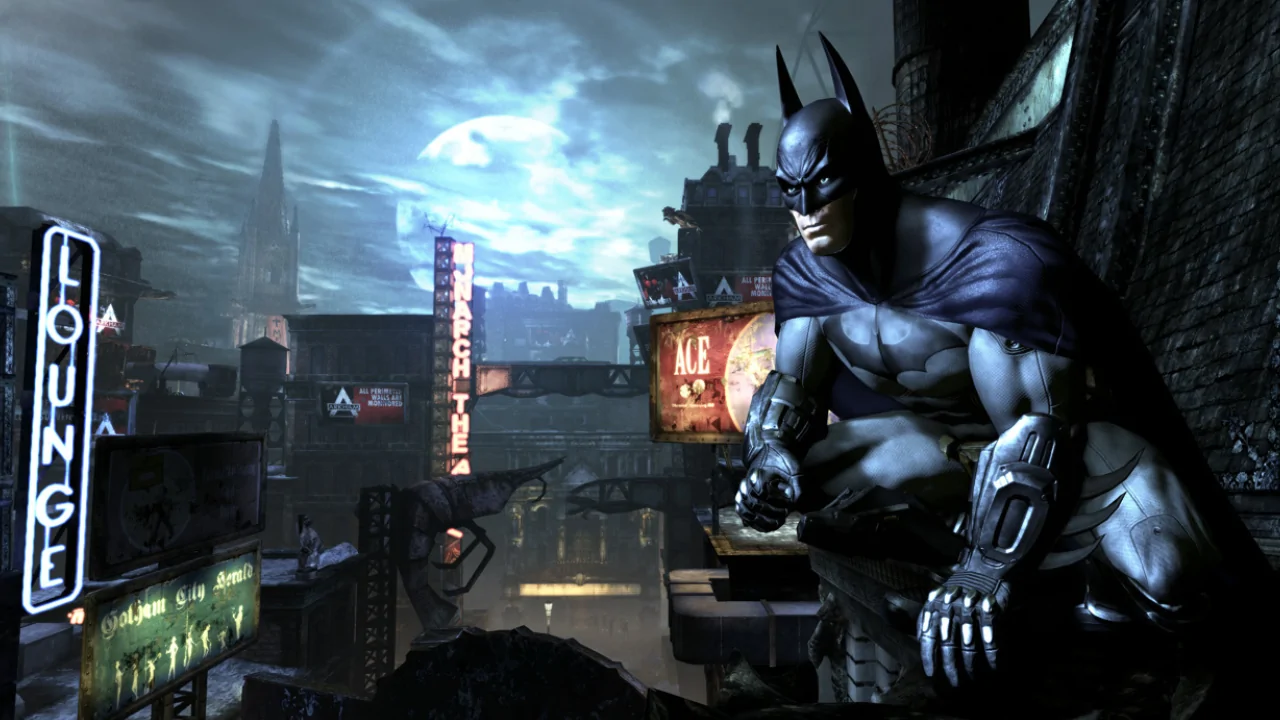
A screenshot from Batman: Arkham City – Game of the Year Edition (2012), Rocksteady Studios
Heroes in Crisis: King faced backlash for depicting Wally West, the heart of the Flash family, as the accidental perpetrator of a massacre. Fans criticized the storyline for betraying Wally’s established character and reducing him to a narrative tool.
Batman: King’s run on Batman included a highly publicized wedding between Batman and Catwoman that never happened. The bait-and-switch left fans feeling misled and disillusioned.
Wonder Woman: King’s ongoing work on Wonder Woman has been criticized for altering core aspects of the character’s origin and making narrative choices that many fans feel stray too far from her legacy. Specifically, King’s narrative positions Wonder Woman in opposition to the U.S. government, which enacts the Amazon Safety Act, leading to her being treated as an illegal immigrant. This storyline introduces contemporary political themes, prompting debate over their place within the superhero genre. A far cry from, “in your satin tights, fighting for your rights, and the old Red, White, and Blue.”
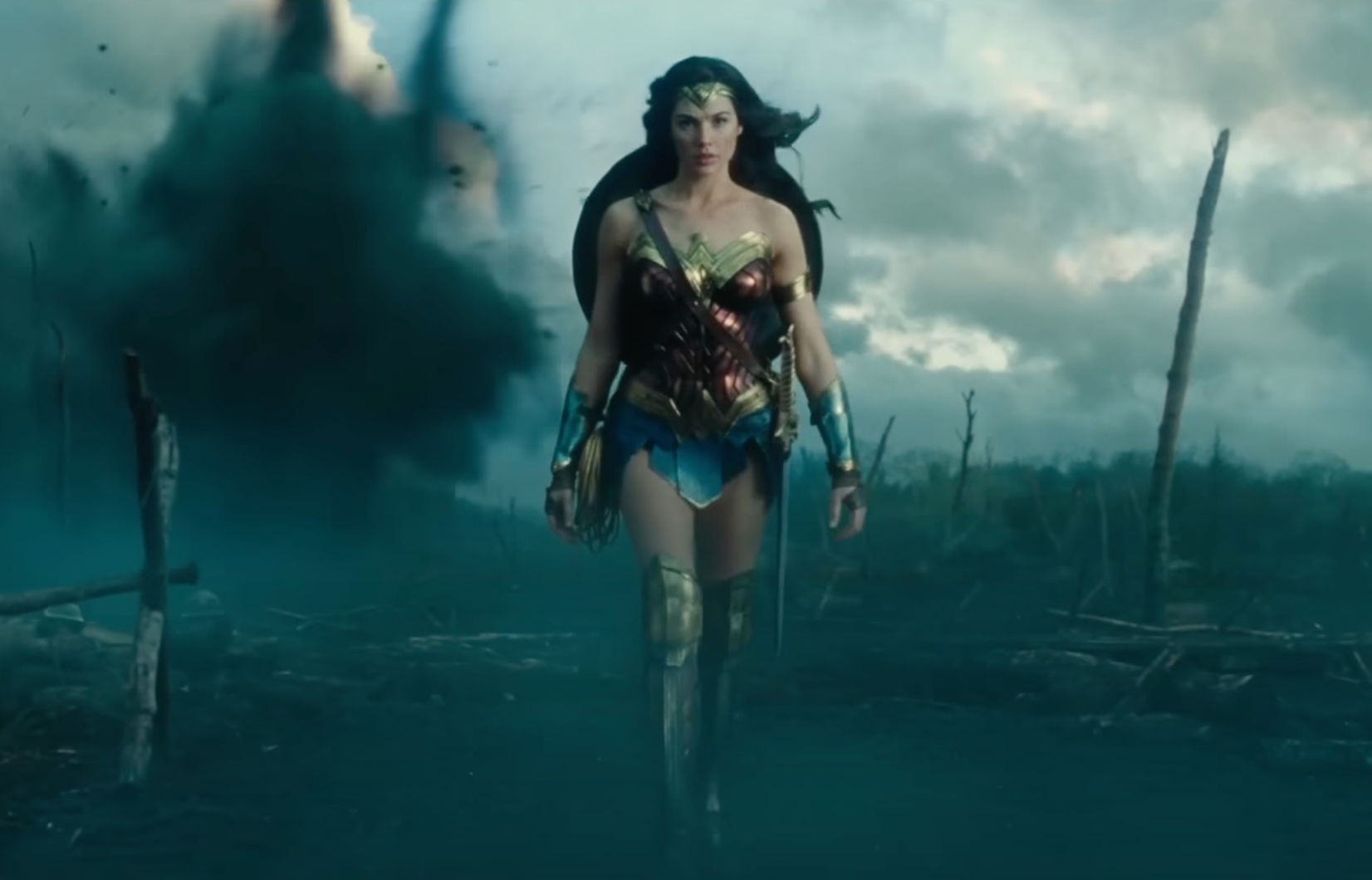
Wonder Woman crosses the No Man’s Land in Wonder Woman – YouTube, Movieclips
These patterns reveal a writer who seemingly just wants to shake up continuity at the expense of the characters’ foundational elements. While King’s intentions on paper may be to modernize and add depth, his changes frequently alienate long-time fans who cherish the traditional portrayals of these heroes.
A Larger Trend in Storytelling
The changes to Black Canary by Tom King align with a broader trend in modern media to diminish the role of male mentors in favor of female ones. While it’s important to highlight role models, doing so at the cost of other relationships limits storytelling potential. Characters like Ted Grant weren’t just mentors—they were integral to the hero’s journey, challenging them to grow and face their vulnerabilities.
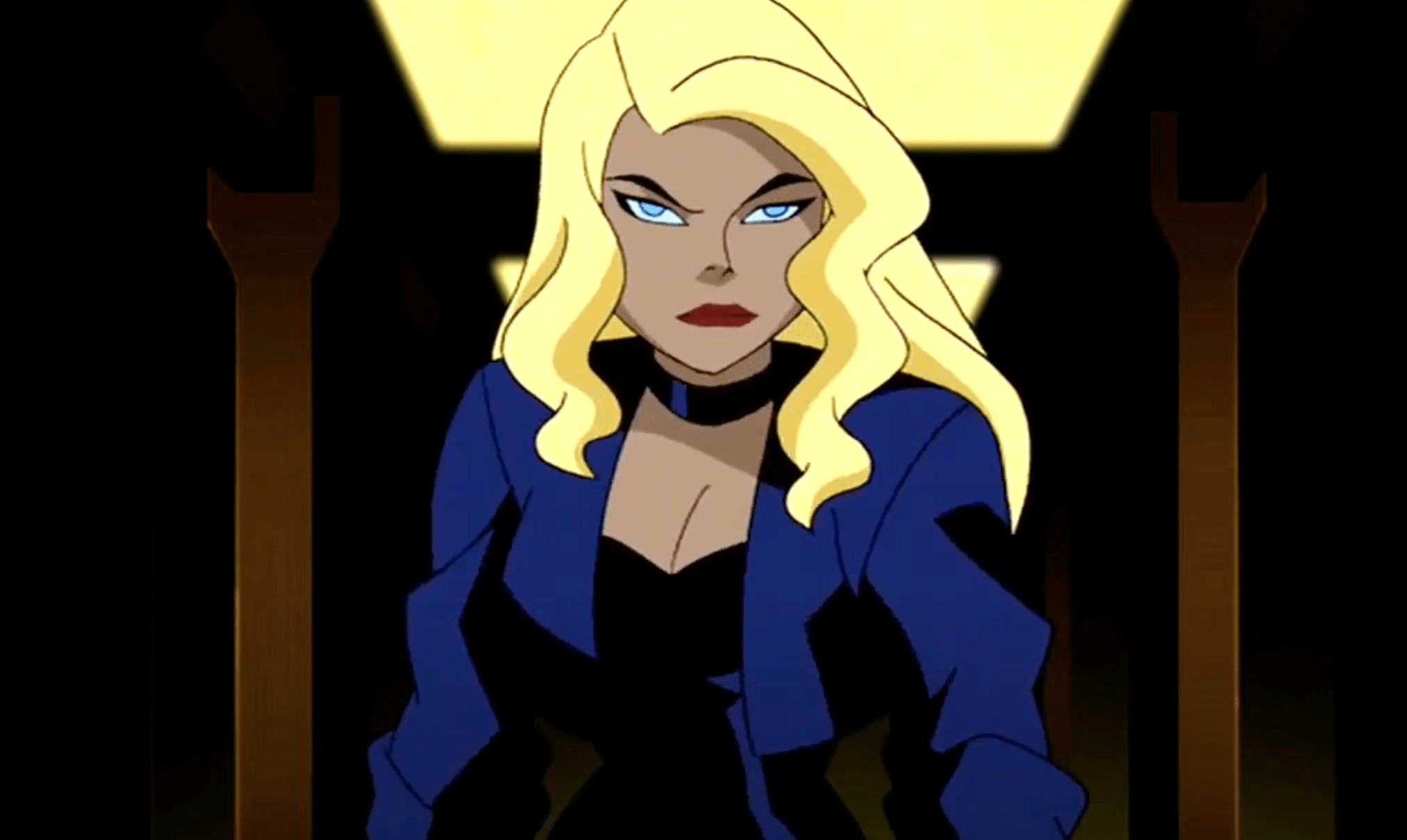
Black Canary in Justice League Unlimited – Max
READ: Jason Momoa Will Play Lobo in James Gunn’s New DC Universe
Dinah’s training under Wildcat symbolized her breaking through societal expectations, proving herself in a male-dominated field. By removing this aspect, King’s rewrite inadvertently downplays Dinah’s resilience and determination to forge her own path.
The decision to rewrite Black Canary’s origin to exclude Wildcat reflects a larger issue in modern comics: the fear of depicting female characters learning or growing through relationships with men. These narratives risk flattening characters by ignoring the complexity and richness that diverse mentorships provide.
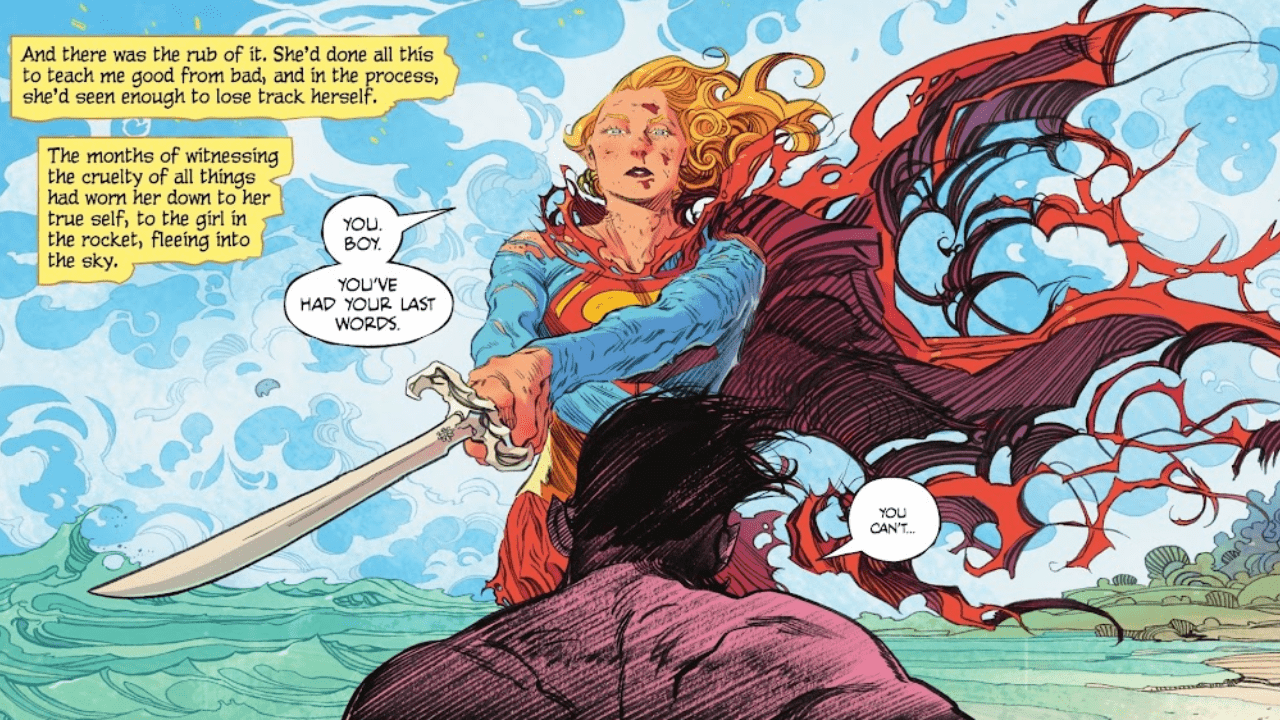
Supergirl: Woman of Tomorrow #8 (2022), DC Comics
What’s even more concerning is that King is an integral creative force behind the scenes at DC with a reach that extends beyond the comics. He’s been noted as a frequent collaborator on James Gunn’s new DC film universe, where elements of his run on Supergirl will be used in the upcoming film Supergirl: Woman of Tomorrow.
How do you feel about Tom King’s latest DC lore change? Does his presence behind the scenes make you nervous for James Gunn’s new DC Universe? Sound off in the comments and let us know!
