



Taylor Sheridan has made a career out of writing characters who aren’t afraid to share their unfiltered opinions. His latest interview suggests that attitude isn’t limited to what he puts on the page.
During a recent appearance on The Bill Simmons Podcast, the Yellowstone creator didn’t hold back while discussing Hollywood, the access media, and the entertainment industry as a whole. Sheridan not only dismissed his critics outright, but admitted that he sometimes intentionally provokes them.
Rejecting Hollywood’s Storytelling Shortcuts
Discussing his approach to writing, Taylor Sheridan said that he holds himself to a standard that exists outside current Hollywood trends.
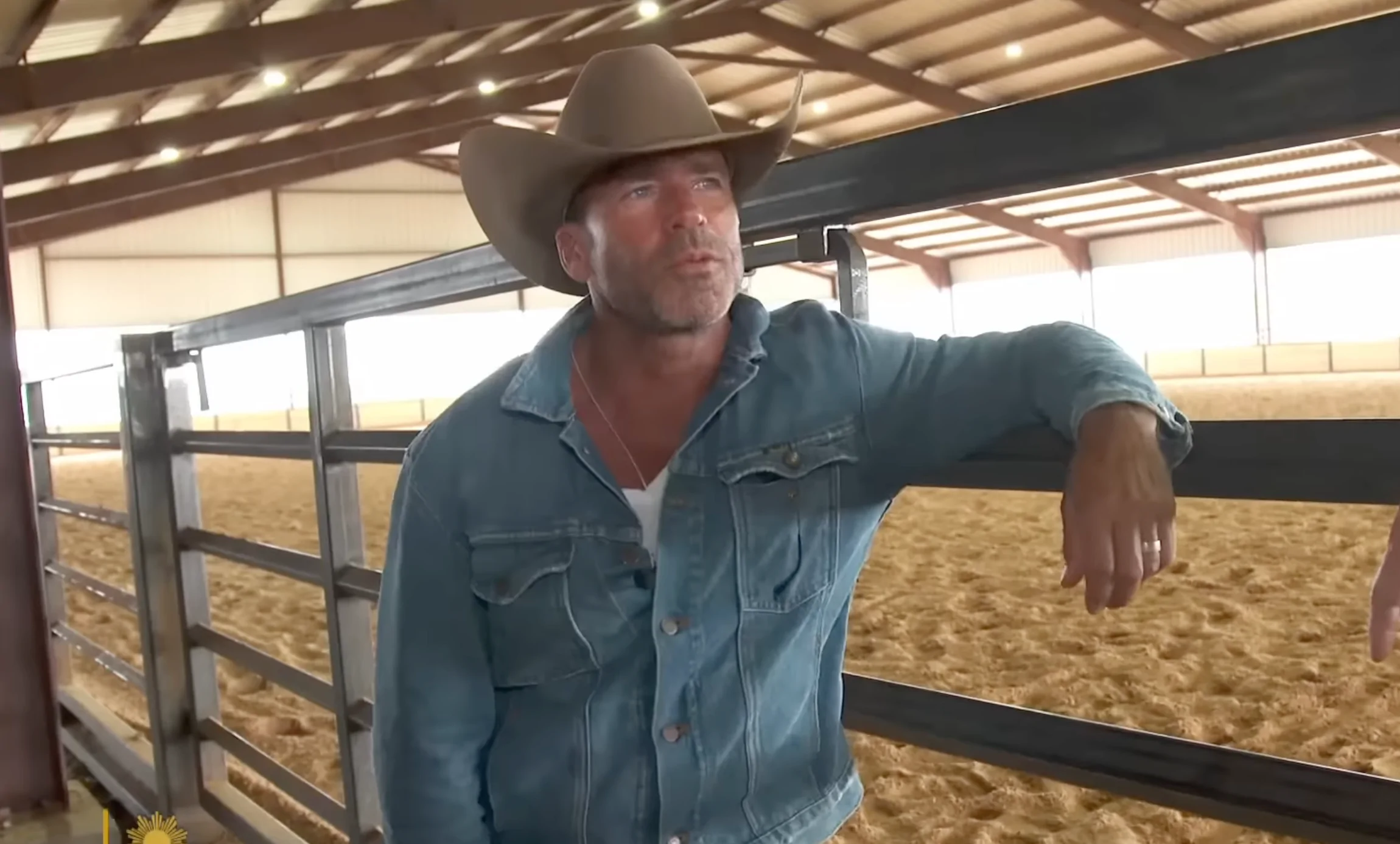
Taylor Sheridan speaks to CBS – YouTube, CBS Sunday Morning
“I knew when I started writing [I wanted] to simply not do what everyone else was doing,” he said. “What everyone else was doing was taking shortcuts, essentially breaking all the very basic fundamental rules of storytelling, because they couldn’t figure out their story.”
Sheridan added that filmmakers should use every tool and technique available to tell a story effectively.
“With a movie, you’re supposed to show me what’s happening. The camera is supposed to move the story. The dialogue is supposed to tell me how the people in this world feel about what’s happening or what they hope to do or what they wish they hadn’t done or had done.”
An overreliance on exposition, rather than visual storytelling, is one of the the shortcuts Sheridan tries to avoid. He pointed out that Marvel films are comparatively filled with “information dumps that you have to follow to get to the action rather than actually moving plot with action.
In a risk-averse industry, Taylor Sheridan suggested that he is well aware that his creative philosophies may not be popular with critics or studio executives.
Critics’ Praise Vs. Commercial Success
Sheridan used the example of Demi Moore’s role in Landman to illustrate his point.
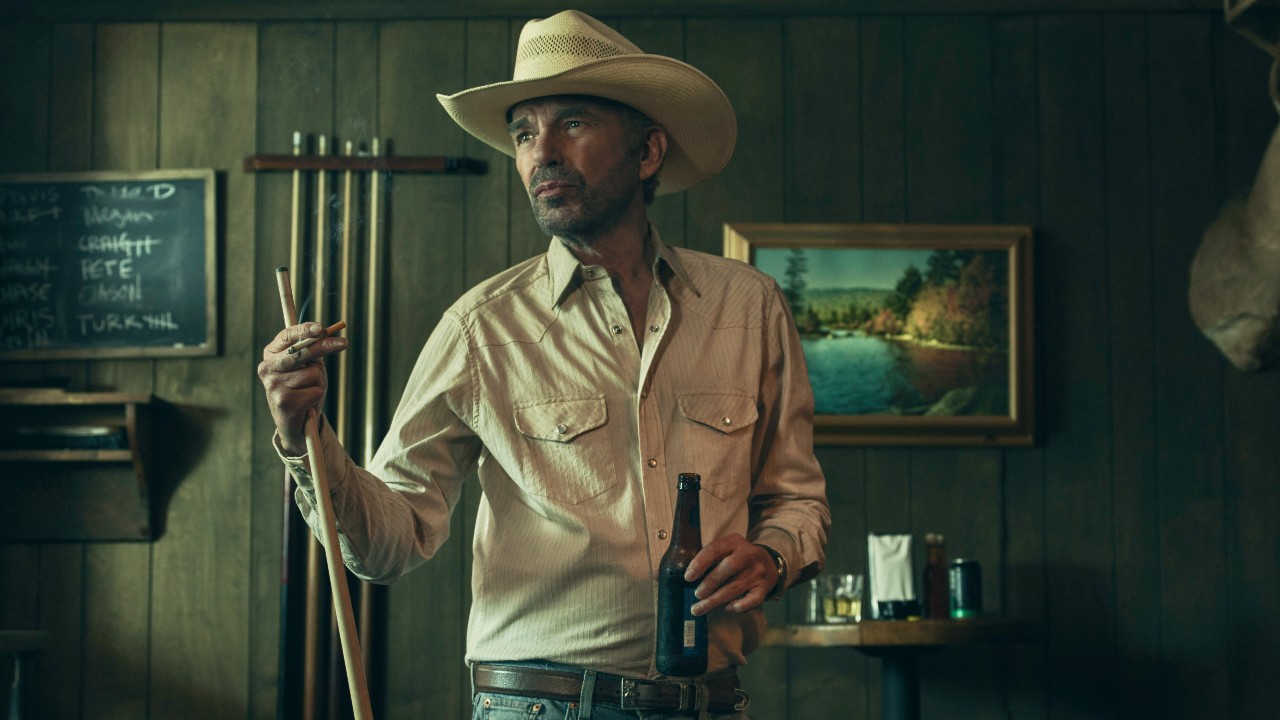
Billy Bob Thornton as Tommy Norris in Landman – Paramount Television Studios, Paramount+
READ: Cinderella Castle Dream Lights Are Not Returning This Year in 2026
“The critics are going to come after me,” he said. “I’m underutilizing [Demi Moore], can’t write for women, all this nonsense. Then I’m going to kill your husband and you’re going to have to run the oil company. The critics and me — I don’t care what they think, and it annoys the s**t out of them that I don’t care. I’ll be the first to tell you that there are things that I do that rage-bait them a bit, and this is one of them. F**k ’em, honestly.”
The relevance of professional critics has increasingly come into question in recent years. Sheridan’s shows have often drawn mixed reactions from the access media. Yet Yellowstone, 1883, 1923, Tulsa King, Lioness, and Landman have all become major commercial successes.
Sheridan Blasts Modern Executives
Taylor Sheridan reserved some of his harshest criticism for the Hollywood executives who oversee modern film and television production.
The industry, Sheridan argued, once provided a very different creative environment.

An image from the Yellowstone Spinoff Dutton Ranch – Paramount
READ: Comcast to Split Again as NBCUniversal Breaks Away Just Months After Versant Spin-Off
“It didn’t used to be this way when Steve McQueen was a movie star at Paramount and Bobby Evans ran the studio because writers were turned loose,” he said. “Directors were turned completely loose. There weren’t endless rewrites. There weren’t meetings with executives about tone and mood and all this nonsense.”
According to the writer-director, today’s studio and network leadership is dominated by people with backgrounds in marketing, law, or talent agencies rather than storytelling. He argued that many executives eventually find themselves in positions of creative authority despite having little understanding of narrative development.
“Well, what do you know about developing story?” Sheridan asked rhetorically. “You know nothing.”
“This Is Not a Democracy”
Taylor Sheridan argued that Hollywood executives often stand between creators and audiences.
“Our business, at this point, is truly governed by these executives because they’re the ones that are going to determine whether or not your script is going to go into production,” he said. “They’re going to try and control every element of that.”
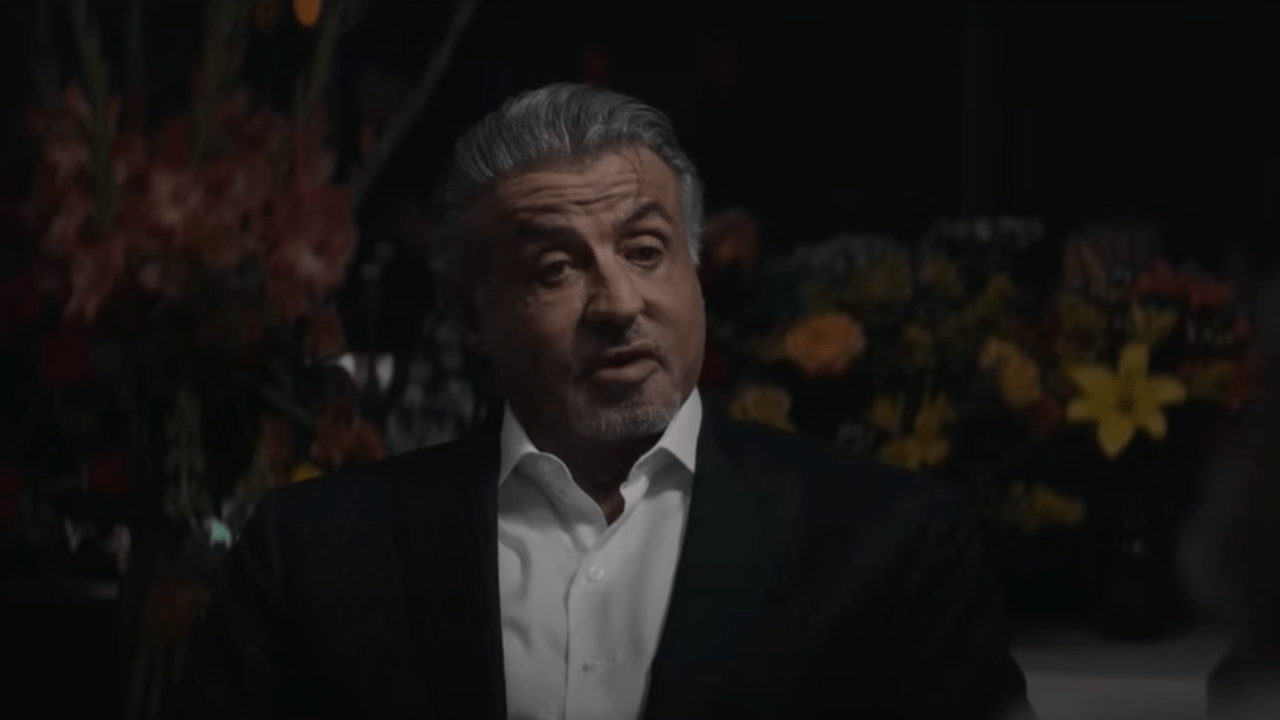
Sylvester Stallone as Dwight ‘The General’ Manfredi in Tulsa King (2022), Paramount Plus
READ: Wikipedia Founder Permanenty Banned After Calling For Intellectual Diversity
It’s a barrier that Sheridan says he actively pushes against when dealing with studios.
“This is not a democracy. There’s no committee. You’re going to pay me and you’re going to give me a bunch of money and I’m going to deliver you these shows. I’m pretty common and I’m going to tell stories that common people are going to understand. That’s most of America,” he said.
Sheridan said he is very clear about his objectives. “You’re not going to win no Emmys with me, but I’m not trying to win Emmys. That’s not my goal. My goal is to sit somebody on their couch and move them, make them think, make them laugh, scare the s**t out of them, excite them. That’s what I want to do, because that’s what I want from a show.”
Sheridan’s Audience Continues to Grow
Ultimately, Taylor Sheridan’s growing audience speaks for itself. As he dismisses critics, storytelling shortcuts, executive pressure, and awards consideration, his core philosophy remains unchanged: delivering stories for what he describes as the common people of America.
What do you think of Taylor Sheridan’s philosophy? Sound off in the comments and let us know!
