


The “Cancel Netflix” campaign has only been active for a few days, but Wall Street is already telling the story loud and clear through stock prices. Fueled by Elon Musk and conservative influencers on X, the movement is cutting into Netflix’s valuation at a pace that should terrify Hollywood. By contrast, Disney’s own recent cancellation drama involving Jimmy Kimmel barely made a ripple in the financial markets.
The comparison offers a stark reminder that not all boycotts are created equal. Progressive outrage campaigns often dominate headlines but rarely move the needle in shareholder value. Conservative-led campaigns, on the other hand, have left behind a trail of broken brands, sinking sales, and massive market losses.
Netflix’s Billions Vanish Overnight
According to reports from Anadolu and other financial outlets, Netflix lost more than $15 billion in market capitalization within just 36 hours of the Cancel Netflix campaign kicking off. The stock plunged over 4% almost immediately, making it one of the sharpest reactions to a boycott we’ve seen in recent memory.

The Netflix Stock as of October 3, 2025 at 9:20 a.m. EST – Google
As of October 3, 2025, Netflix (NFLX) was trading around $1,162.53 USD, down more than 0.7% intraday and still under downward pressure. Investors have taken notice. Netflix may still be a giant with nearly 300 million subscribers, but Wall Street doesn’t ignore sudden momentum shifts—especially when they threaten recurring revenue streams that underpin the stock’s long-term strength.
Netflix is deliberately choosing to pay people to create sexualized content for children.
Freedom of speech should be respected, but this is PAID speech. Netflix is going out of their way and reaching into their wallet to push this. https://t.co/GBQtKkO0If
— Elon Musk (@elonmusk) October 3, 2025
The reason this campaign resonated is clear: the controversy over children’s programming. From boys crossdressing in Cocomelon Lane to identity-driven storylines in shows marketed to toddlers, critics argue Netflix has crossed a cultural line. When Elon Musk amplified those complaints to his 180 million followers, the result was a digital tidal wave of subscription cancellations and market panic.
Disney’s Kimmel Suspension Fallout
Now let’s contrast that with Disney. In mid-September, the company suspended Jimmy Kimmel after backlash over his late-night remarks. The suspension lasted less than a week, but it triggered boycott calls against Disney+, ABC, and the broader Walt Disney Company.
Did Wall Street flinch? Barely.
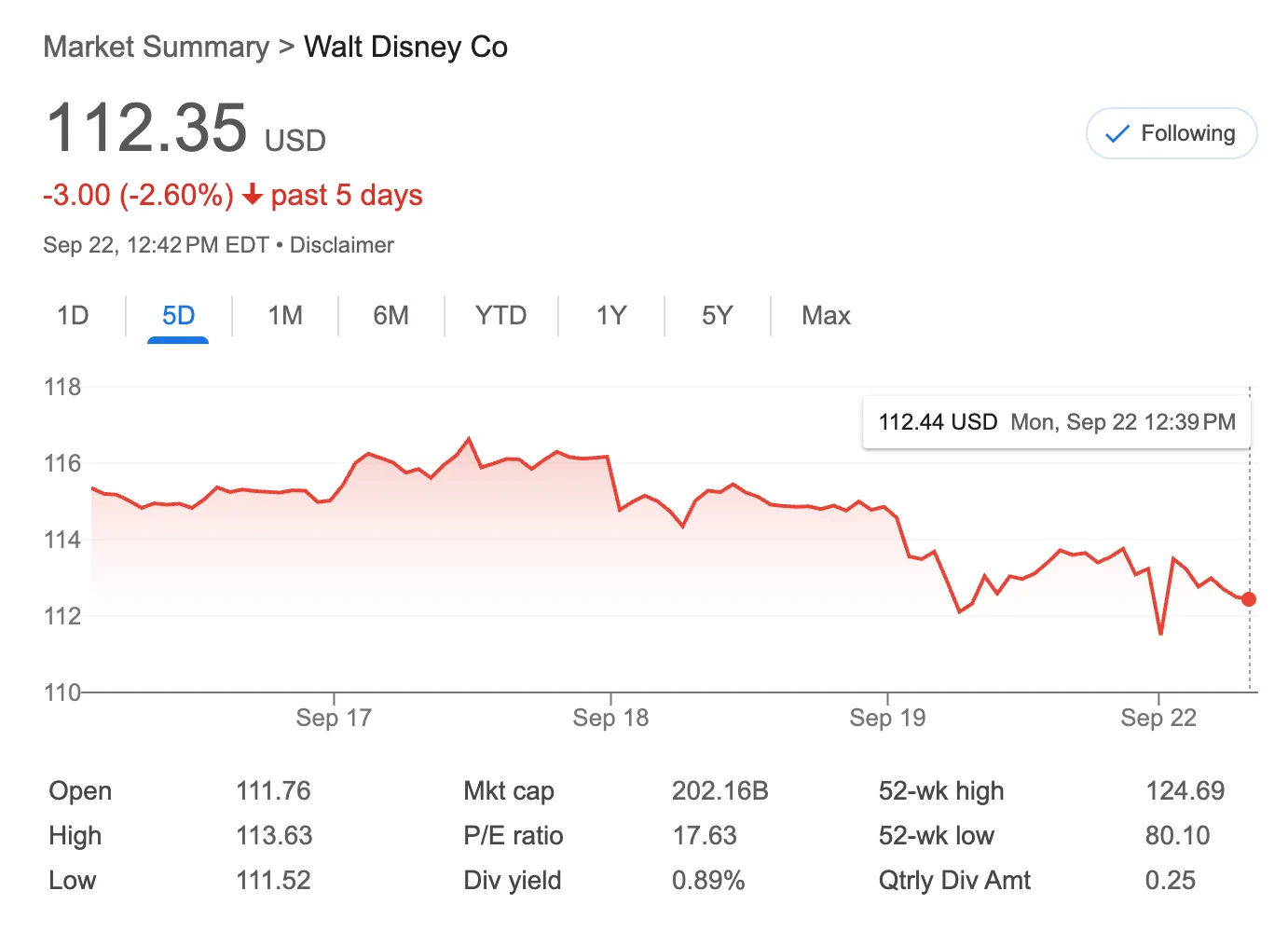
A 5-Day view of the Disney stock price on the week Jimmy Kimmel was taken off the air – Google
Reports suggest Disney’s stock dropped roughly 3.3% over five trading days, with total valuation losses cited anywhere between $3.8 billion and $6.4 billion at the peak. But the decline was slower, less severe, and far less sticky.
Another factor that went overlooked: Disney raised the price of Disney+ during this exact period. Price hikes always lead to some churn, which means many of the cancellations attributed to Kimmel’s suspension were simply customers reacting to higher costs. In other words, the so-called “progressive boycott” likely accounted for very little of the actual attrition. Wall Street knew it, which is why the stock never saw the kind of panic now gripping Netflix.
Progressive Boycotts Rarely Leave a Mark
For all the online fury progressive campaigns generate, the numbers show they rarely hurt the companies they target. One of the clearest examples came earlier this year with American Eagle’s “Great Jeans” campaign featuring Sydney Sweeney. Progressive activists called for a boycott, arguing the actress and the message of the ad was “problematic.”
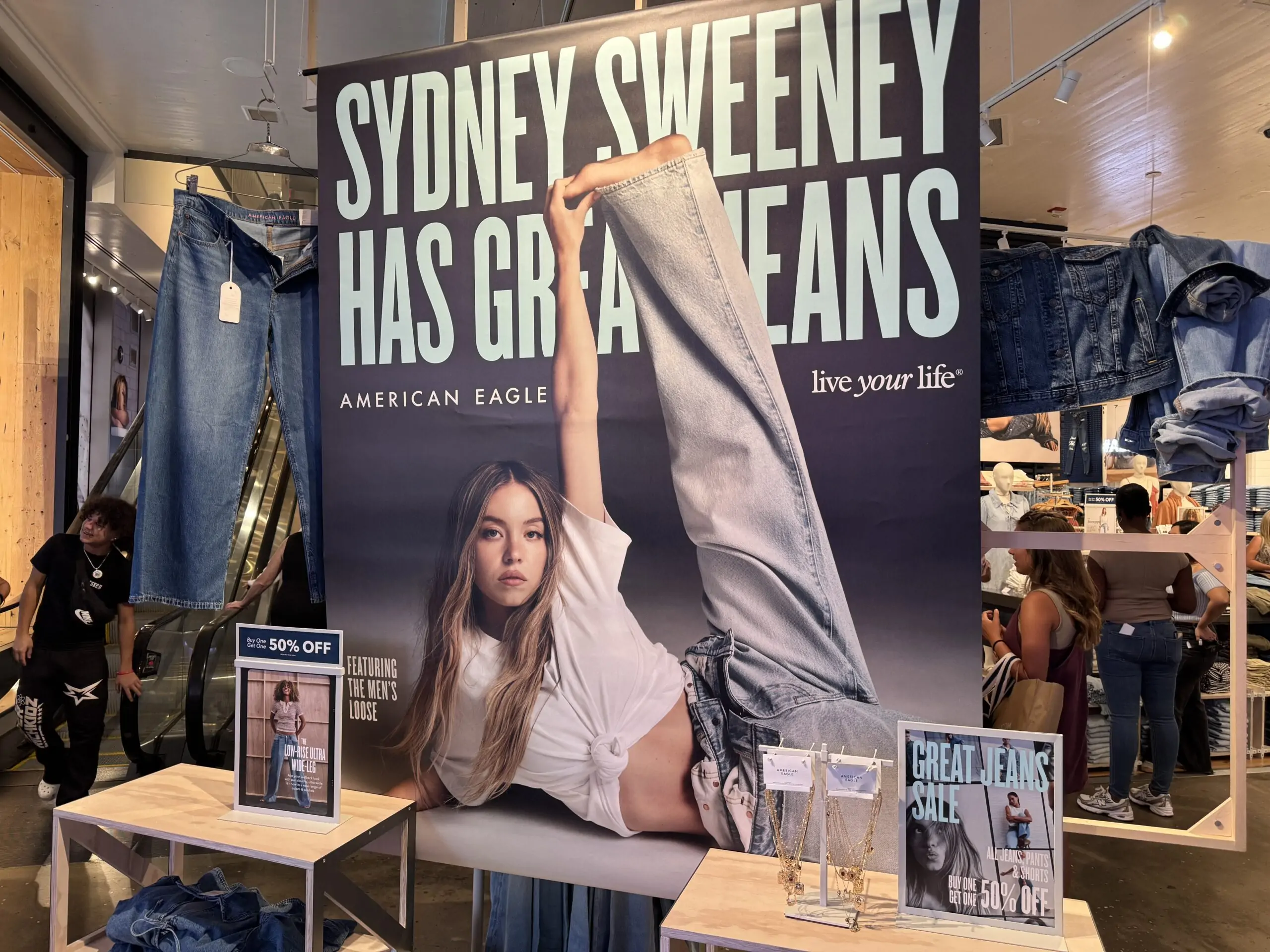
Sydney Sweeney ads in the American Eagle store in Times Square NYC – Photo Credit: That Park Place
READ: Elon Musk Leads Wave of Netflix Cancellations Over Kids Show Pushing Gender Ideology to 7 Year-Olds
The result? Sales surged. American Eagle stock and brand recognition only benefited from the increased attention. What was billed as a consumer revolt turned into a marketing win.
The same dynamic played out with Disney’s Kimmel suspension. Social media might have been noisy, but the hard data shows that progressive outrage failed to dent Disney’s finances in any meaningful way.
Conservative Boycotts Pack the Punch
By contrast, conservative campaigns have proven time and again to slash billions off market caps and force long-term changes in brand strategy. Bud Light’s collapse, Target’s Pride fiasco, Jaguar’s backlash, and now Netflix’s steep plunge all show that when conservatives organize, companies pay dearly.
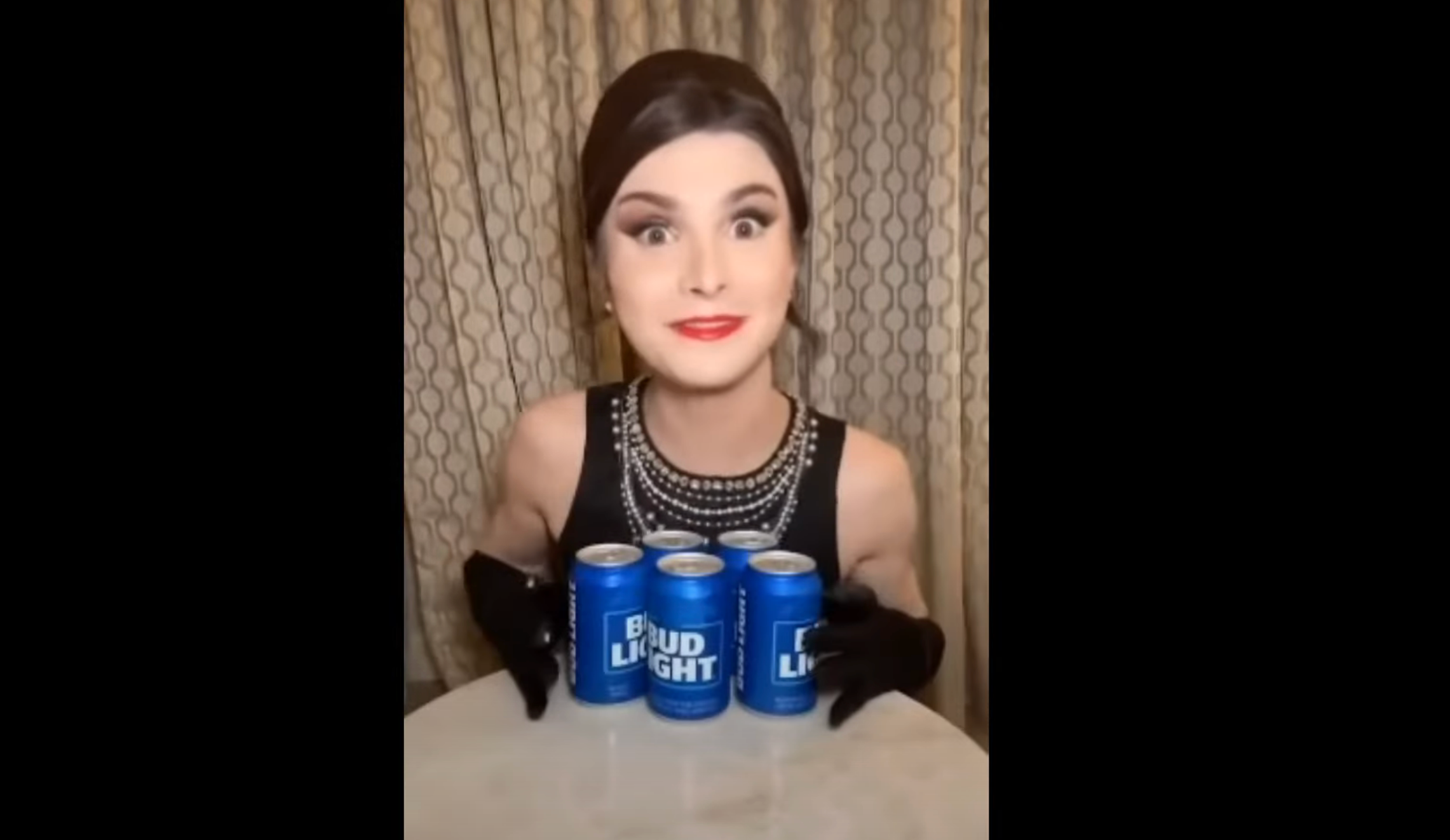
A screenshot from a Bud Light commercial featuring Dylan Mulvaney that led to a costly boycott – YouTube, 4thphaseofmalaise
This is why the Cancel Netflix movement is already being taken seriously by investors. Unlike the faux outrage cycles that come and go with little consequence, these campaigns consistently prove they can hit balance sheets, subscriber counts, and shareholder confidence all at once.
The Stock Market Tells the Story
Let’s put the numbers side by side:
- Netflix (Cancel Netflix): Down over 4% in less than two days, wiping out $15 billion in market cap.
- Disney (Cancel Disney+ over Kimmel): Down 3.3% over five days, roughly $3–6 billion lost, quickly stabilized.
The takeaway? Netflix’s decline was sharper, deeper, and more damaging than Disney’s. The Cancel Netflix campaign moved faster, harder, and more decisively than anything Disney saw during Kimmel’s suspension.

A boy in a dress in Strawberry Shortcake: The Beast of Berry Bog, Rated for Children of All Ages – Netflix
READ: James Gunn Calls Fans “Racists” and Admits He Has No Oversight from WB on DCU Projects
And that’s why Wall Street is treating the two events very differently. Disney has a broad base of businesses—theme parks, movies, merchandise—that can insulate it from a streaming hiccup. Netflix, however, lives and dies on subscriptions. A large, organized exodus of conservative families is more than just a headline risk; it cuts straight to the company’s core revenue.
The Power of Influence
One of the most striking elements of this contrast is the influence behind each movement.
When Elon Musk picked up the Cancel Netflix banner, it changed the trajectory overnight. Within hours of his X posts, the campaign was trending globally, investors were watching closely, and billions of dollars evaporated from Netflix’s market cap. That is the measurable effect of one high-profile figure with a massive following who aligns with grassroots frustration.
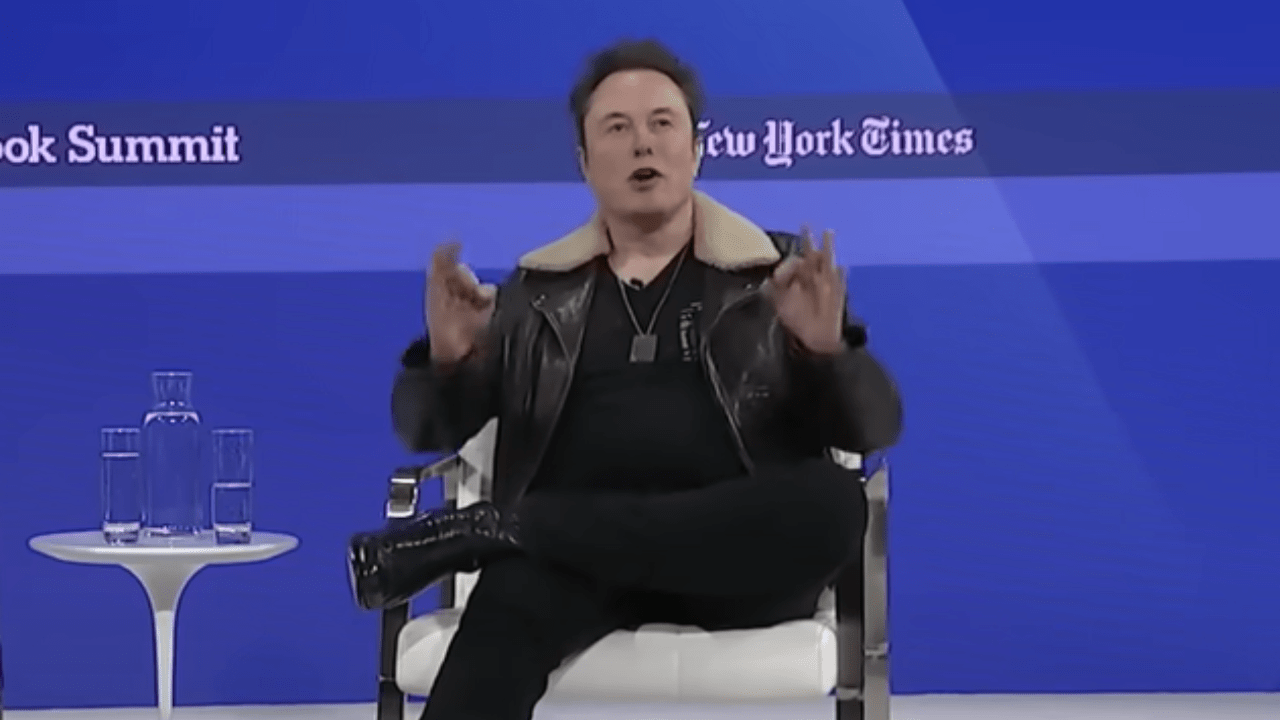
Elon Musk via New York Times Events YouTube
Compare that to Cancel Disney+. Nearly every Hollywood celebrity jumped on board during the Jimmy Kimmel suspension. Social media was filled with hashtags, interviews, and industry voices urging consumers to abandon Disney+. Yet the financial impact was barely detectable. Disney’s stock dipped modestly, stabilized, and moved on. The celebrity push created noise but didn’t translate into real economic pain.
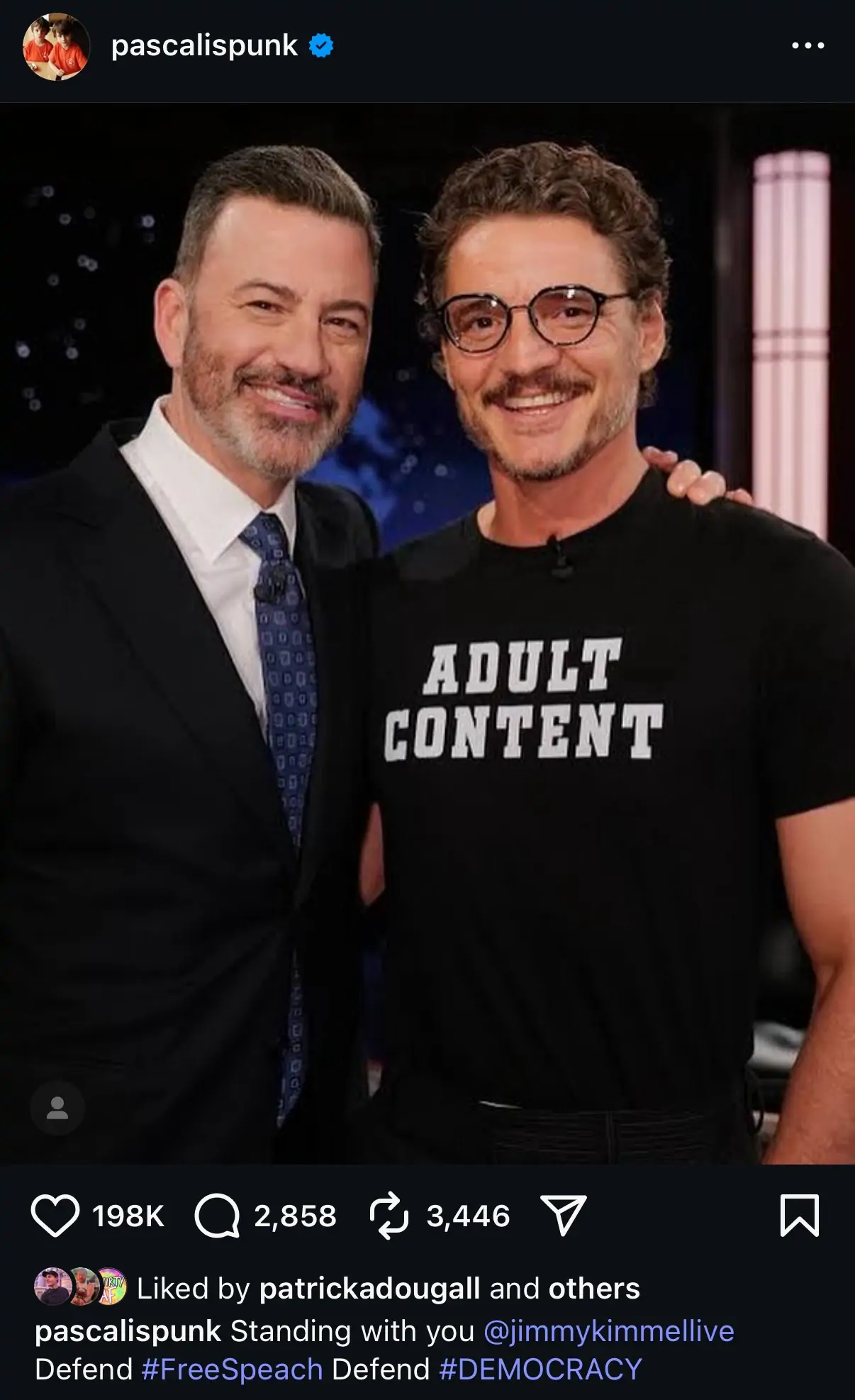
Pedro Pascal and Jimmy Kimmel in an Instagram post by Pascal – Instagram, @pascalispunk
It’s a mirror of the 2024 election. Nearly all of Hollywood lined up behind Kamala Harris, pouring time, money, and visibility into her campaign. Elon Musk, meanwhile, used his platforms and influence to advocate for Donald Trump. When the dust settled, Trump won in a landslide despite the entertainment industry’s overwhelming support for Harris.
The lesson is clear: celebrity endorsements don’t hold the power they once did. Tech entrepreneurs and outsider figures like Musk are reshaping influence, and the market is responding.
The Broader Message for Hollywood
The reality is simple: progressive outrage campaigns don’t move stock prices the way conservative ones do.
Hollywood and corporate America can ignore this lesson at their own peril. Netflix may dismiss the Cancel Netflix campaign as temporary noise, but investors are already spooked. The stock chart doesn’t lie.

A scene from the teaser trailer for Stranger Things 5 – YouTube, Netflix
Meanwhile, the fact that Disney weathered Kimmel’s suspension with little more than a wobble reinforces what has become a glaring truth: progressive “cancel culture” dominates headlines, but it’s conservative-led boycotts that actually deliver the knockout punch financially.
Corporate leaders should be paying close attention to the Netflix stock. If Bud Light and Target weren’t warning enough, Netflix is now the latest example that alienating conservative customers isn’t just bad PR—it’s bad business.
How low do you think the Netflix stock will go? Sound off in the comments and let us know!
UP NEXT: Bob Iger Bristles at Talk of Josh D’Amaro as His Successor, But the Disney CEO Race Is Heating Up
