The explosive 2007 argument between Rosie O’Donnell and Elisabeth Hasselbeck on The View remains one of the show’s most infamous moments.
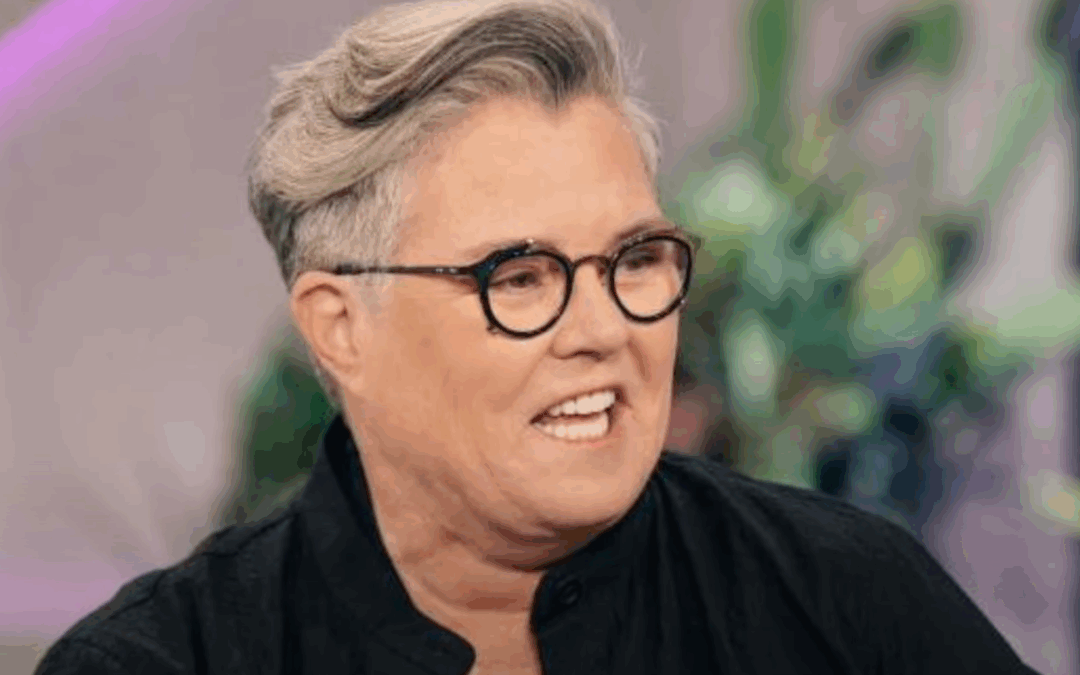

The explosive 2007 argument between Rosie O’Donnell and Elisabeth Hasselbeck on The View remains one of the show’s most infamous moments.
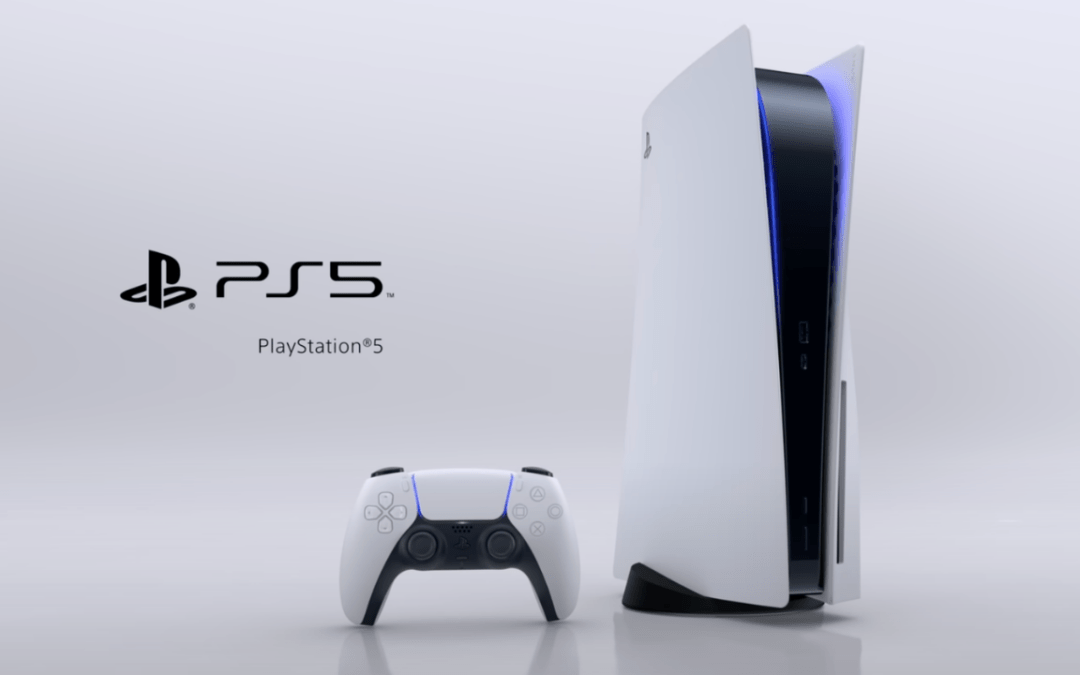
Sony may have just pulled off a temporary masterstroke in shielding the PlayStation 5 from the financial shockwaves of U.S. President Donald Trump’s newly implemented tariffs on imported goods meant to close trade deficits with other countries and boost domestic production—but that strategy has a looming expiration date.
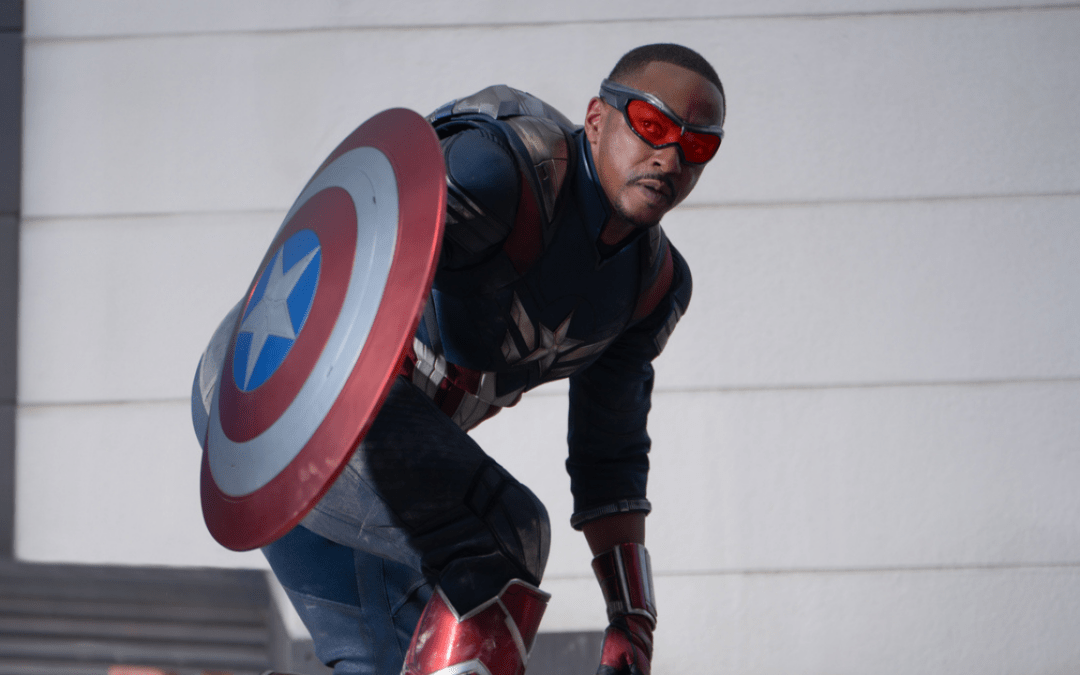
After eight full weeks in theaters, Captain America: Brave New World is finally on the verge of crossing $200 million in the domestic box office. With a weekend gross of $1.4 million and a cumulative domestic total now at $199.1 million, the milestone is expected to be reached within the next several days. But while this may appear on the surface to be a hard-won victory, the broader context paints a far less triumphant picture for Marvel Studios.
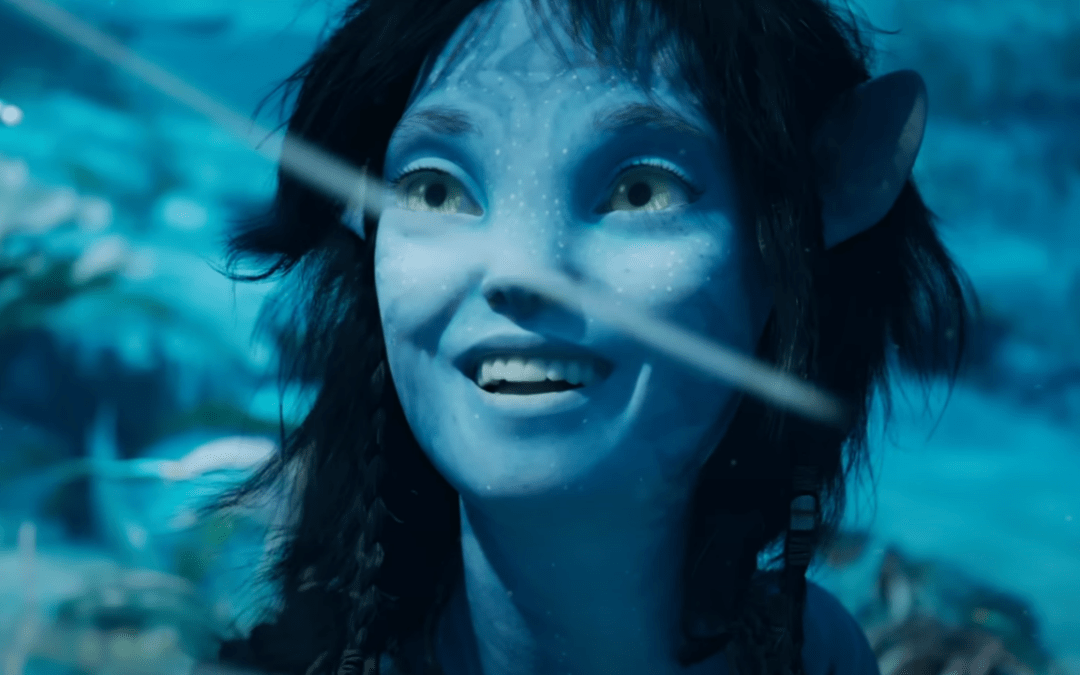
James Cameron returned to the spotlight this week—albeit via video from New Zealand—with the unveiling of the first footage from Avatar: Fire and Ash at CinemaCon. Billed as a major December release, the third film in the franchise is already drawing praise from exhibitors impressed by the visuals and scale. Zoe Saldaña appeared in person to introduce the clip, hyping up two new Na’vi clans and a more emotional journey for Jake and Neytiri (yes, those are their names because you probably forgot).
But as flashy as this presentation was, it leaves behind a question that has haunted the Avatar franchise for over a decade: How can a series make billions of dollars and yet vanish from the cultural conversation the moment it leaves theaters?
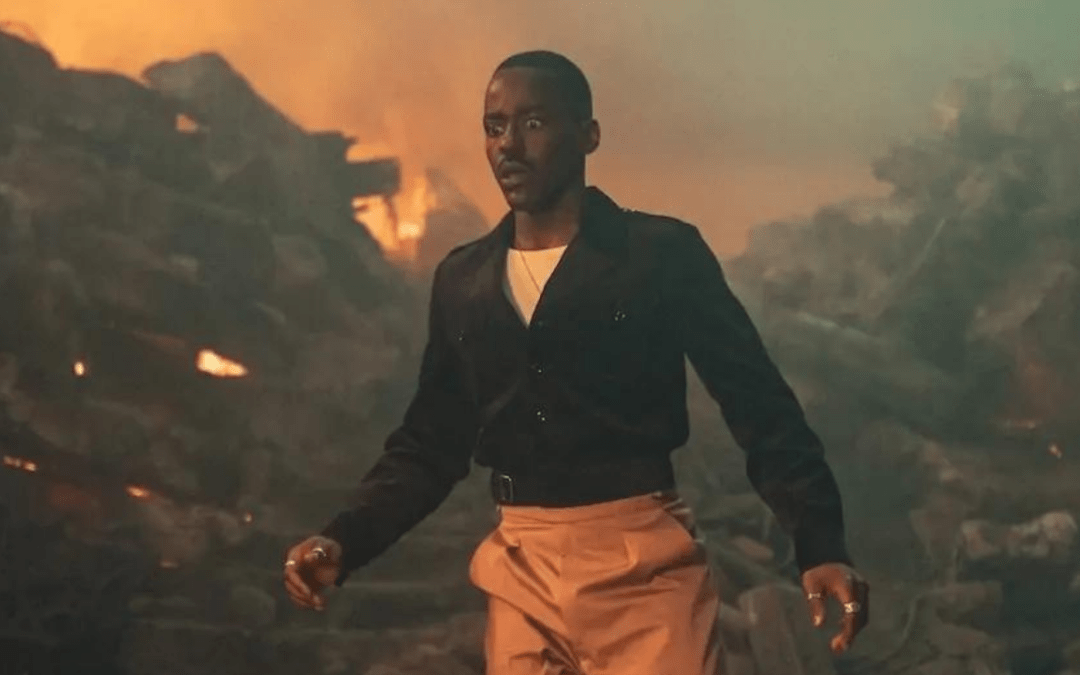
Russell T. Davies and the BBC continue their crusade to dismantle everything that once made Doctor Who a beloved science-fantasy institution. The latest evidence? A fawning write-up in The Hollywood Reporter about new Doctor Who companion Varada Sethu, who will star...
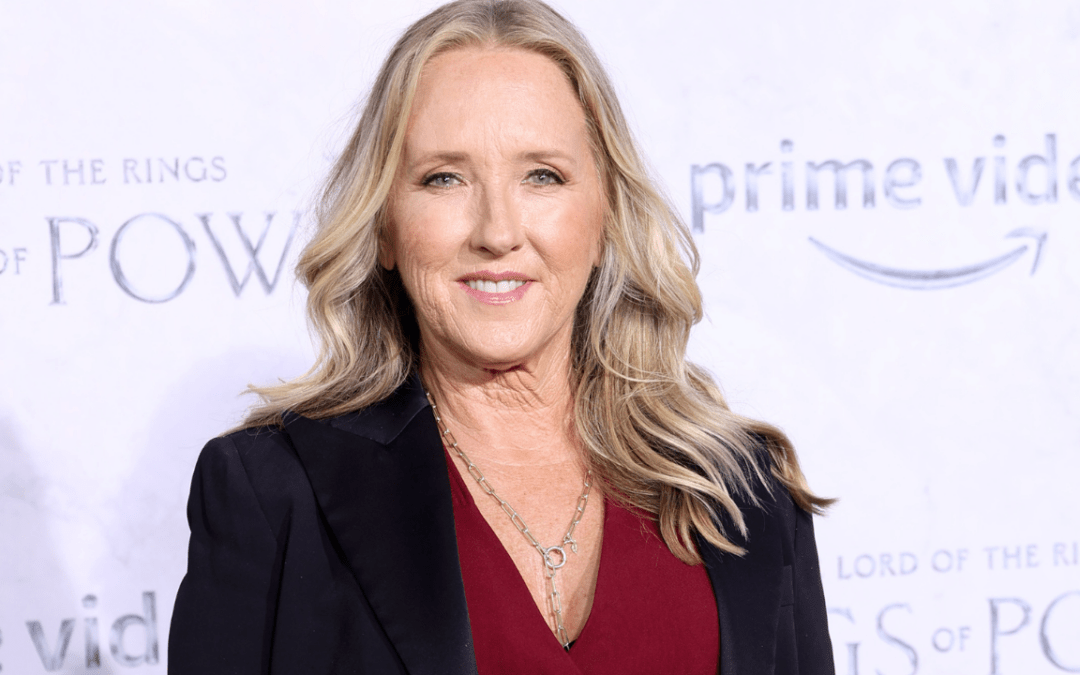
For anyone paying attention, the announcement that Jennifer Salke was “stepping down” as head of Amazon MGM Studios didn’t pass the smell test. The language was corporate-friendly, the tone soft, and the messaging was all about her “next chapter” as a producer. But the moment the email hit inboxes, the reaction across the industry was unanimous: Jennifer Salke was fired.
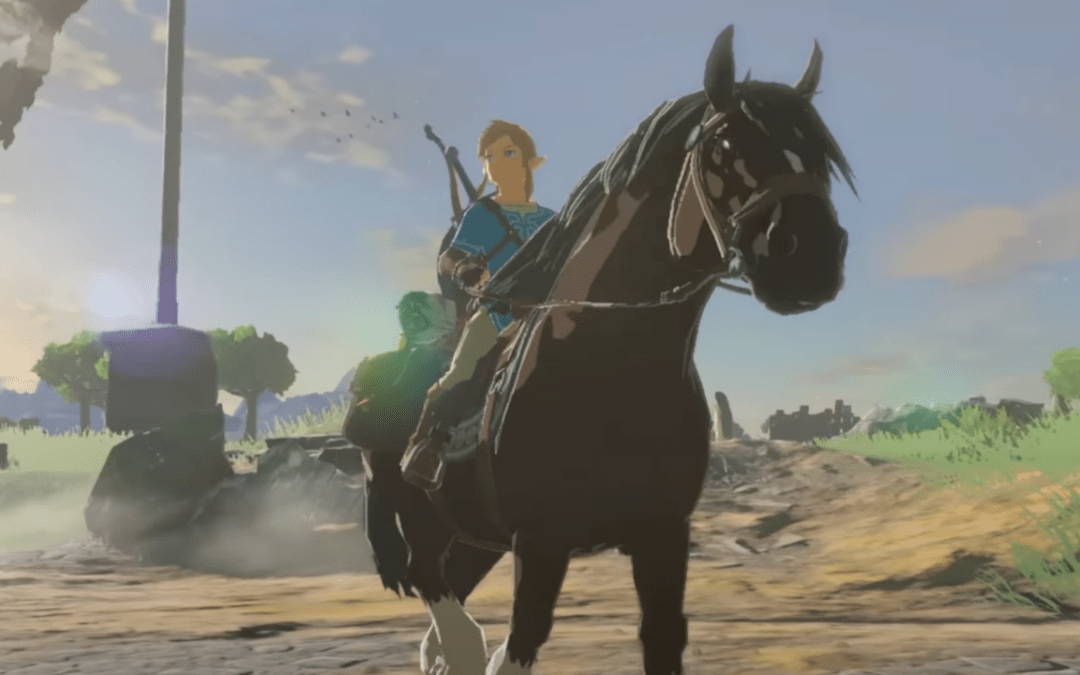
Just days after Nintendo revealed the March 26, 2027 release date for the upcoming live-action Legend of Zelda movie, new rumors suggest it could be the start of a full-blown trilogy. According to Video Games Chronicle, industry insider Daniel Richtman claims the movie is just part one of a planned six-year cinematic journey.
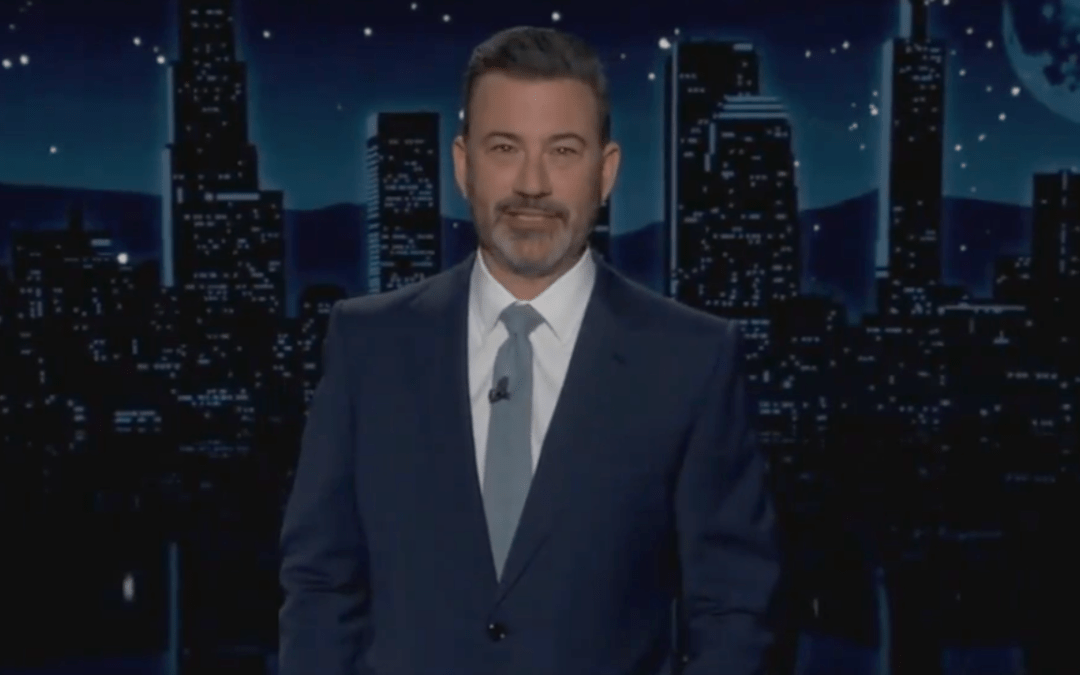
Late-night television, once a cornerstone of American entertainment, is experiencing a significant decline. Now, with the elimination of one of CBS’ programs, After Midnight with Taylor Tomlinson, the collapse is beginning.
As opposed to replacing the PM comedy talk show format, CBS is opting to just trim the fat. Less hours of late night is the new norm… and it could be going all the way to “goodbye” for the genre that Johnny Carson largely built.

Ubisoft employees are rattled over the potential for mass layoffs—and they have every reason to be.
On Thursday, Ubisoft announced it is forming a new gaming subsidiary in partnership with Chinese tech giant Tencent. The new entity will house the company’s most valuable franchises, including Assassin’s Creed, Far Cry, and Rainbow Six along with select development studios. While the press release spins this as the start of a “bold new chapter,” internal reactions suggest that the only thing bold about this move is the level of uncertainty it has created for Ubisoft’s remaining workforce.
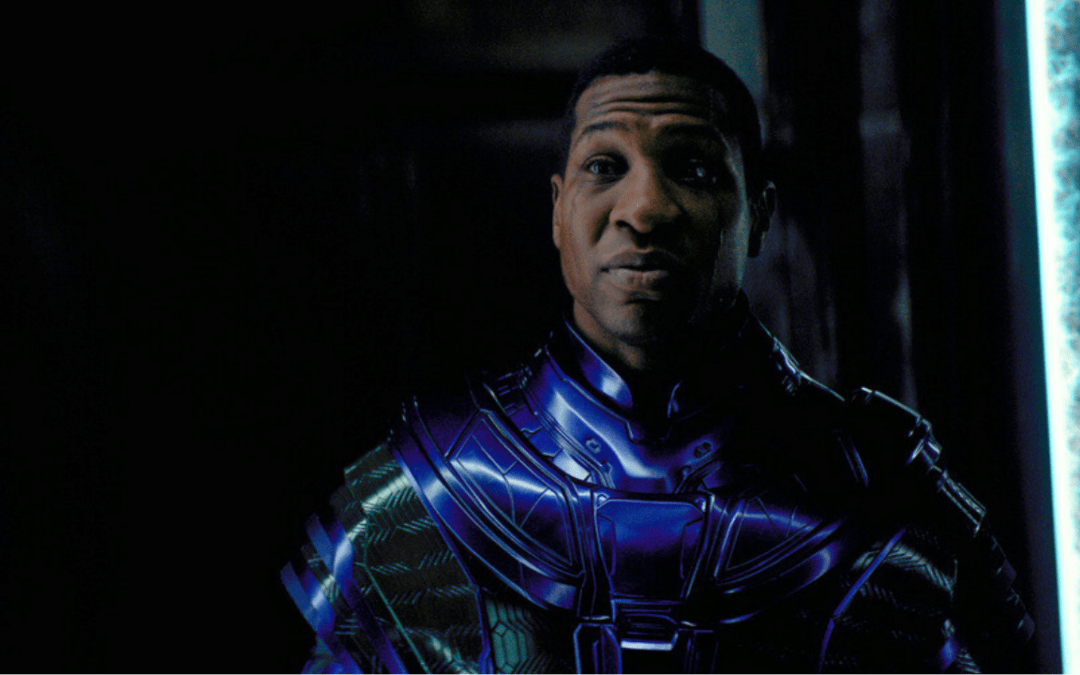
While Hollywood and the media were laser-focused on the Snow White box office debacle, another massive failure quietly slipped under the radar—Jonathan Majors’ “comeback” film Magazine Dreams opened to a whimper, not a roar.
CNN wants you to believe that a 2014 online movement over video game journalism is responsible for virtually every controversy of the last decade. In its latest attempt to revise history, CNN frames Gamergate not as a call for transparency in media, but as the spark that supposedly ignited a digital wildfire engulfing everything from social platforms to political movements.

For over a decade, Disney has gone out of its way to court China’s box office. From altering content to fit the demands of Chinese censors, to restructuring storylines, casting decisions, and even marketing campaigns for maximum appeal in Beijing, Disney has treated China like a golden goose. But with the catastrophic failure of Snow White at the Chinese box office, that strategy appears to have officially collapsed.

The fallout from Mark Rober and his controversial video comparing the Tesla autopilot system to LiDAR technology continues to intensify. What initially appeared to be a lighthearted, data-driven experiment has unraveled into something far more concerning—a blend of misrepresentation, omitted relationships, and questionable testing practices that has left viewers and experts alike demanding answers.