


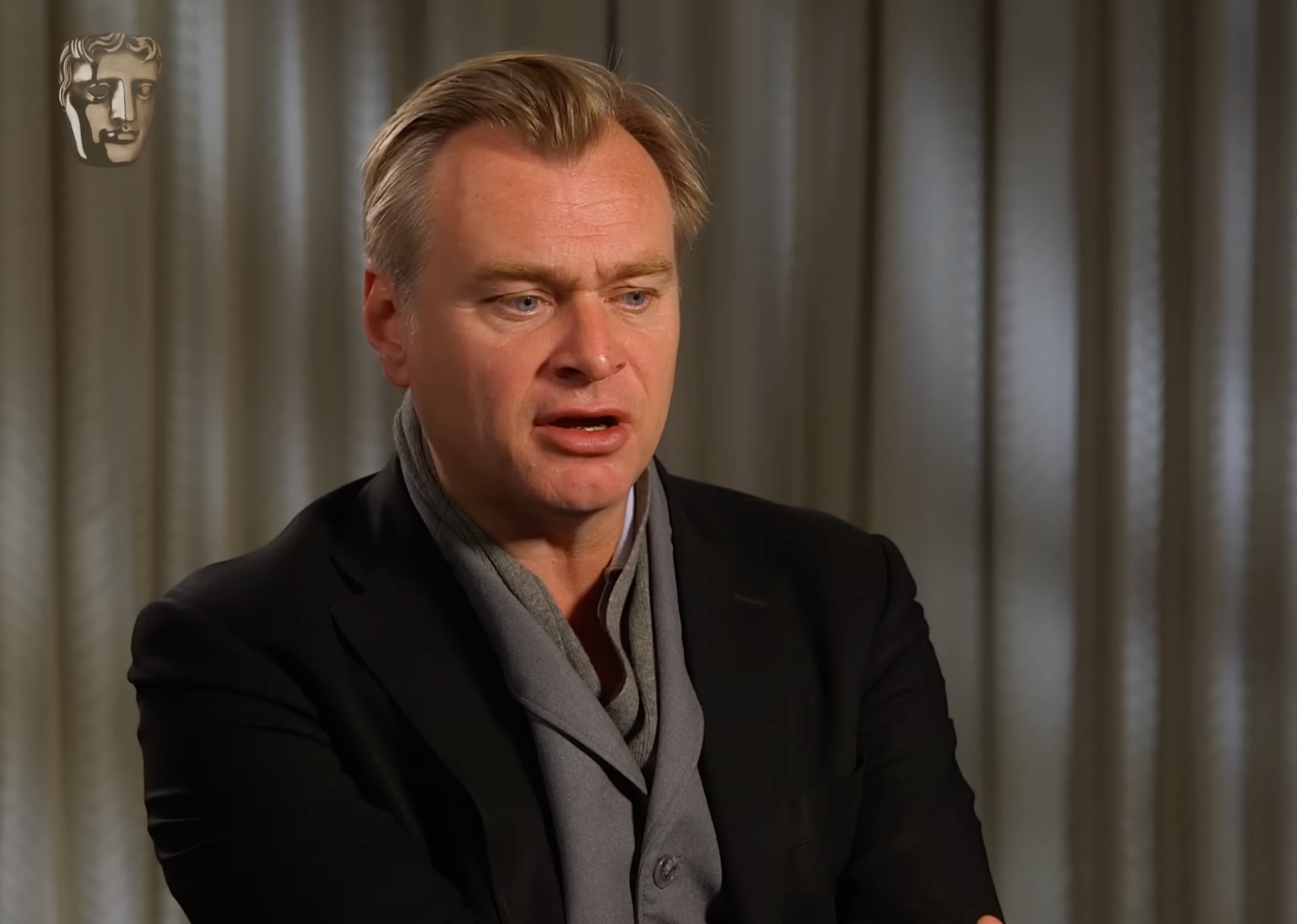
Christopher Nolan believes that too many amateur film critics mistake recognizing a storytelling technique for proving that the technique does not work.
The director addressed the state of modern criticism during an interview with political philosophy lecturer and podcast host Zhong Shu. The conversation, originally published on the Chinese video-sharing platform Bilibili, formed part of Nolan’s international promotional campaign for The Odyssey.
Here is my interview with Christopher Nolan: are you a bard for a civilization at dusk? pic.twitter.com/dQION5v6bl
— Yiyang Zhuge (@ZhugeYY) July 31, 2026
His remarks have sparked debate online. Some viewers argue that Nolan is dismissing legitimate criticism of his films, while others believe he is highlighting a genuine problem in the way audiences discuss storytelling. Understanding the mechanics of narrative and identifying familiar tropes can certainly be part of meaningful film criticism. The question is whether recognizing a technique is enough to show that it has failed.
Christopher Nolan Defends Familiar Storytelling Devices
Nolan used The Odyssey to illustrate his broader point. Adapting an epic written nearly 3,000 years ago inevitably requires filmmakers to bridge the gap between an ancient story and a modern audience.
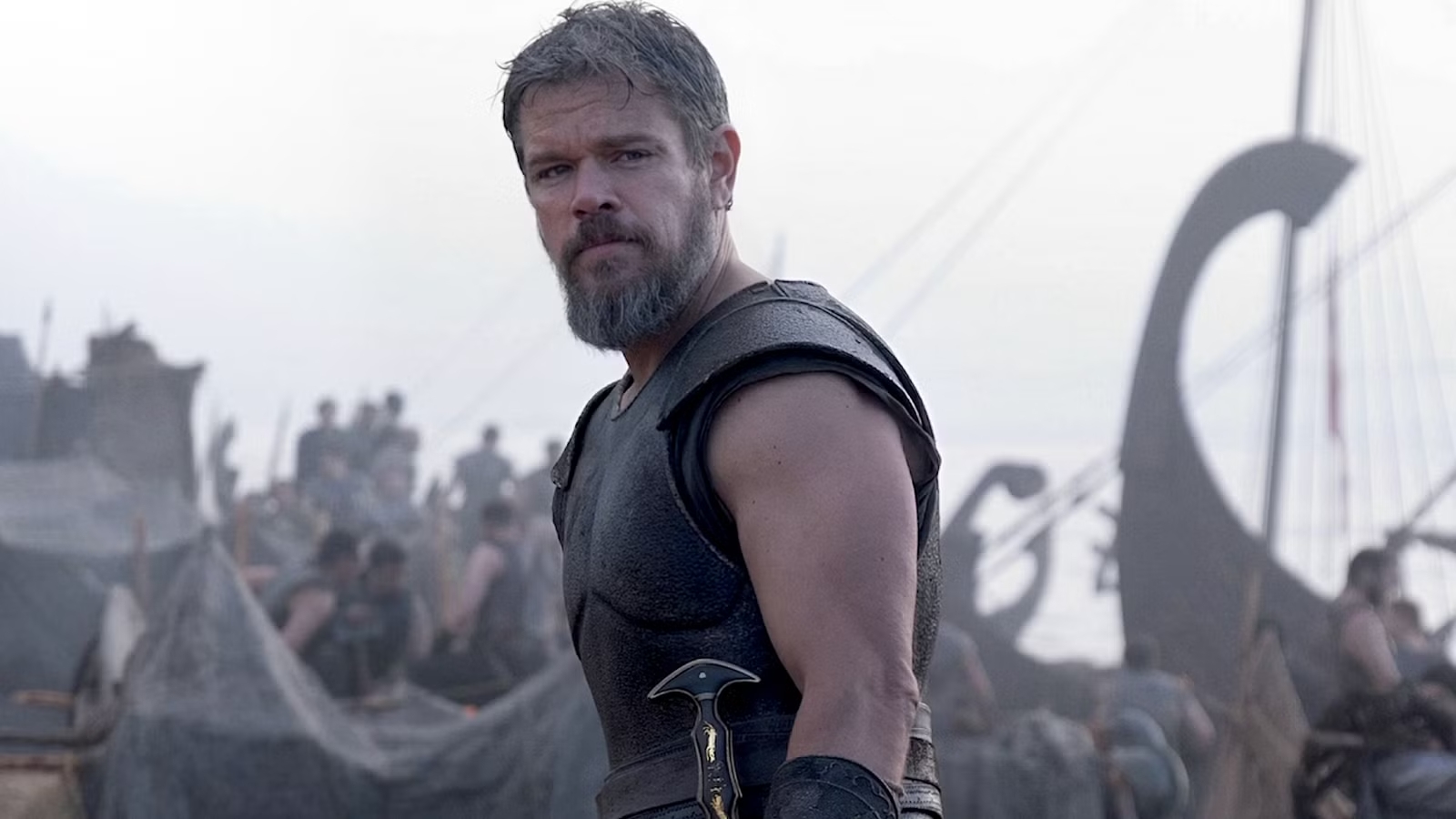
Matt Damon as Odysseus in the trailer for The Odyssey – YouTube @UniversalPictures
READ: Disney and ABC Bring Rosie O’Donnell Back to ‘The View’ as Trump Administration Showdown Intensifies
According to Nolan, filmmakers adapting an ancient story must place it “in conversation with the expectations of the audience.” That sometimes requires using recognizable narrative devices to help modern viewers connect with characters created thousands of years ago.
Every culture develops its own narrative shorthand. That raises an interesting question: at what point does making an ancient story more accessible begin to reshape it for modern audiences?
“The criticism that’s often leveled at movies in general is, ‘Oh the character has to be made sympathetic, so the character is manipulated in different ways or changed in different ways,’” Nolan said. “And that’s a fundamental flaw of film criticism in a way.”
Nolan argued that identifying the machinery behind a story does not automatically invalidate its effect.
“Because to be able to identify the mechanism does not invalidate the mechanism,” he continued. “And that’s a real problem in criticism today.”
“People have this idea that, ‘Because I can understand why the story affects me the way it is, therefore, it didn’t work.’ That’s not how storytelling works.”
Recognizing a Technique Is Not the Same as Criticizing It
Nolan may have a valid point. Online discourse often rewards spotting a mechanism more than evaluating whether it was executed well. Those are different critical skills. The people Nolan calls “amateur” film critics are also more familiar with three-act structures, “save the cat” moments, and foreshadowing than the average moviegoer of the past.
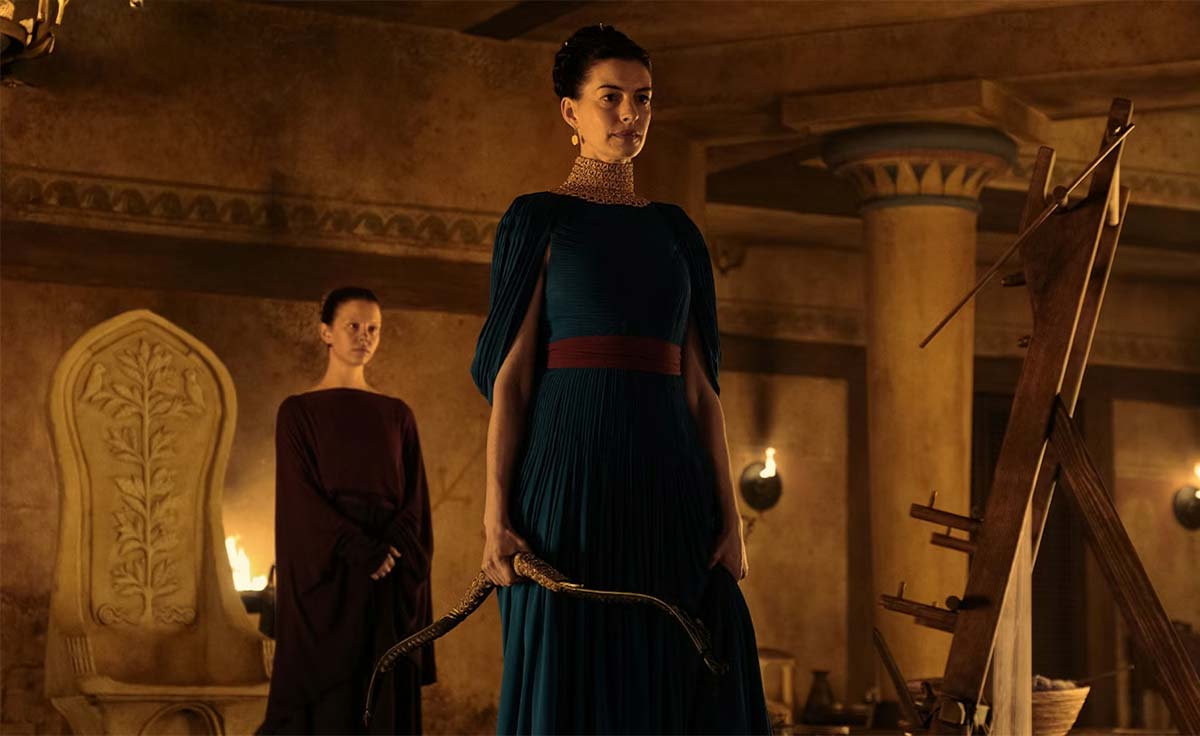
Mia Goth as Melantho and Anne Hathaway as Penelope in the trailer for The Odyssey – YouTube @UniversalPictures
READ: Ariana Grande to Step Back From Public Spotlight Due to Ongoing “Public Scrutiny”
However, recognizing a narrative mechanism can also help viewers explain why it failed to persuade them. Audiences may reasonably object when a character’s sympathetic qualities feel artificially imposed, inconsistently written, or designed to excuse behavior that the story has not adequately confronted.
Identifying the technique is not necessarily the criticism itself. It can be the beginning of a more substantial argument. Simply pointing to a storytelling device says little on its own. The more important question is whether that device genuinely serves the story.
Are Professional Critics Really More Perceptive?
Nolan suggested that the problem is more prevalent among amateur critics, while professional reviewers tend to understand why storytelling mechanisms are necessary.
That distinction may be less convincing than his broader observation. Professional critics are hardly immune to shallow analysis, while independent reviewers and ordinary moviegoers are often capable of examining films thoughtfully. Access to a publication, press screening, or professional title does not guarantee a superior understanding of storytelling.
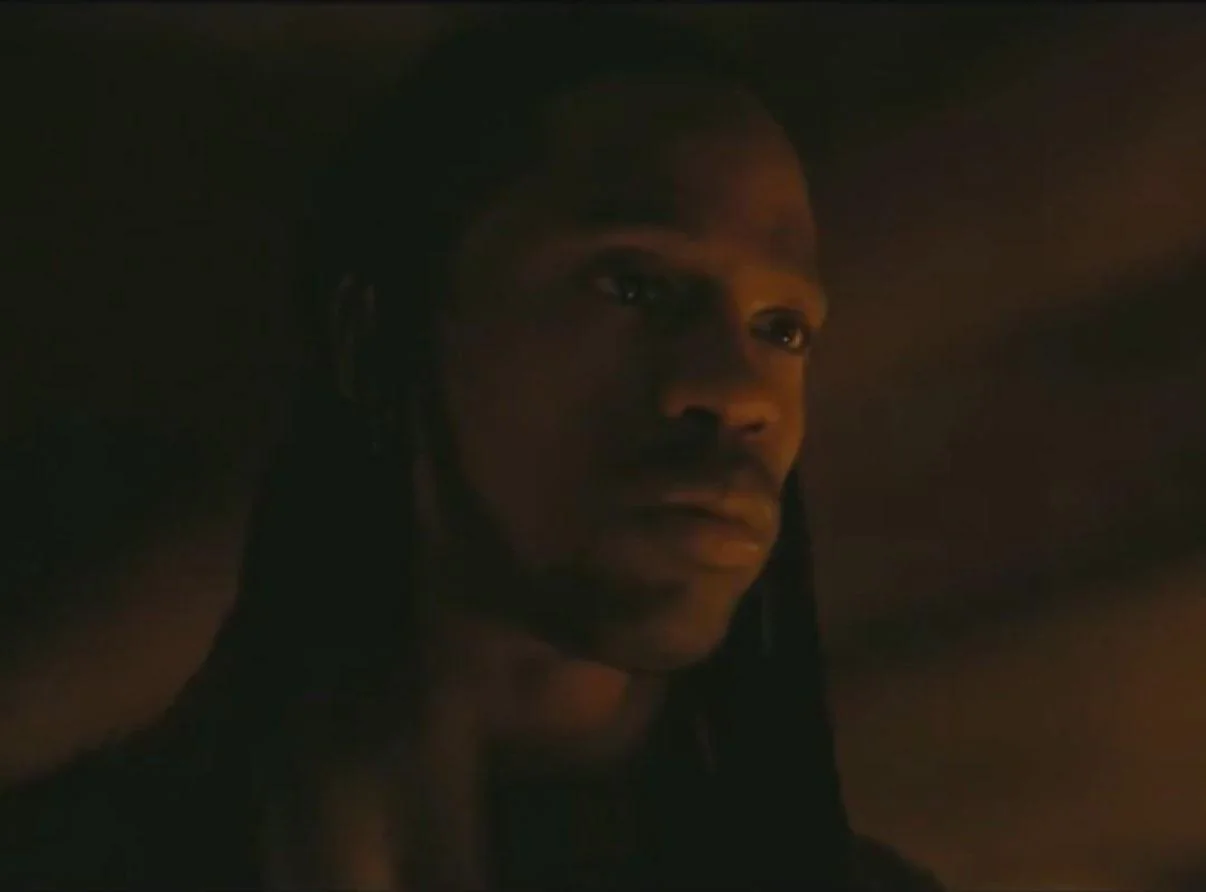
Travis Scott in The Odyssey – YouTube, Universal Pictures
READ: ‘Wonder Man’ Season 2 Canceled by Marvel
The growth of social media has undeniably encouraged criticism built around quick observations, plot-hole lists, and declarations that familiar tropes are inherently bad. Yet it has also allowed knowledgeable voices outside traditional media to participate in conversations once controlled by a relatively small group of professional gatekeepers.
Sites such as Criticless encourage users to thoughtfully rate and review films. Meanwhile, Rotten Tomatoes, long treated as a leading measure of critical consensus, is frequently cited as evidence of the divide between professional critics and general audiences. What Nolan calls “amateur film criticism” may simply represent the increasingly visible voice of the public.
Nolan is right that exposing a film’s machinery does not prove that it is broken. Nevertheless, whether that machinery operates smoothly remains a question that every critic—amateur or professional—is entitled to ask.
Do you agree with Christopher Nolan about the “fundamental flaw” with amateur film criticism? Sound off and let us know!
