


According to Netflix co-CEO Ted Sarandos, the streaming giant had considered theatrical distribution before its move to acquire Warner Bros. At the time, Netflix decided that the company was better served focusing on its current business model.
During the company’s Q4 2025 earnings interview on Tuesday evening, Sarandos said that Netflix leadership “debated many times over the years whether we should build a theatrical distribution engine or not. And in a world of priority-setting and constrained resources, it just didn’t make the priority cut.”
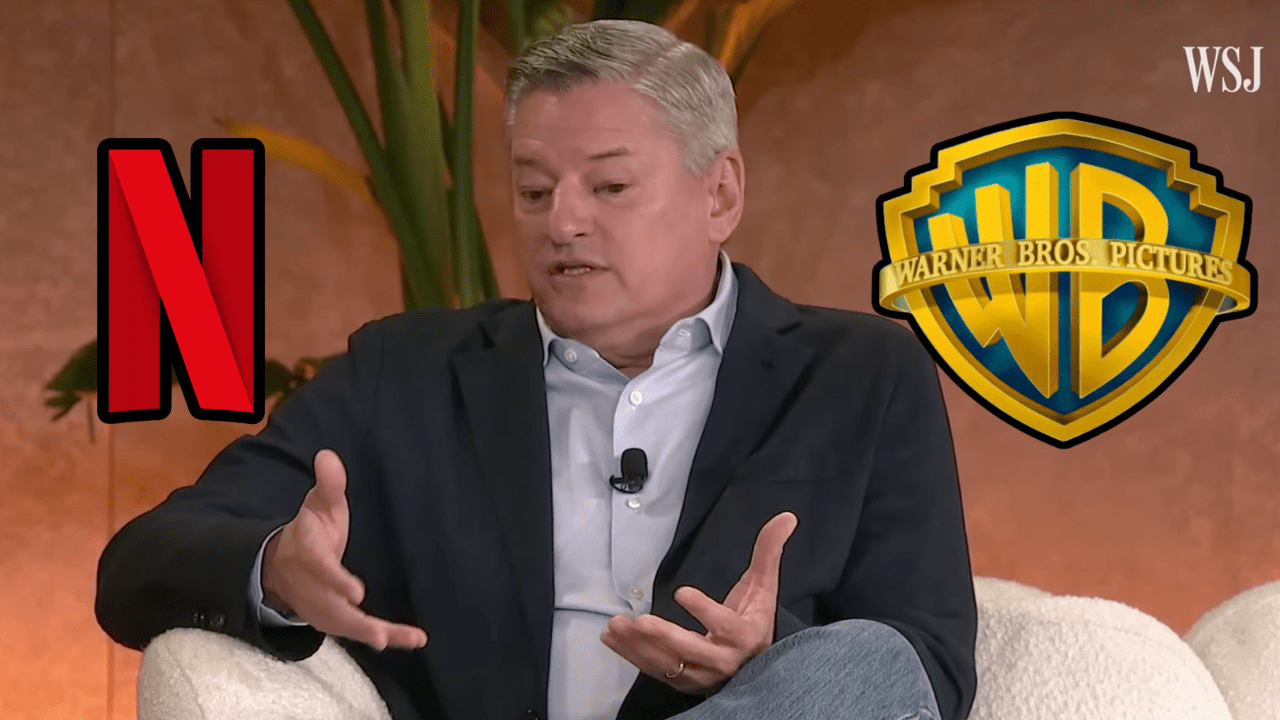
Netflix Co-CEO Ted Sarandos – YouTube, WSJ News
READ: Universal Announces Halloween Horror Nights, Dark Arts, and Back to Hogwarts Dates for 2026
Greg Peters, the other Netflix co-CEO, added that they knew the theatrical model is an “effective complement to the streaming model.” However, he explained it was something they decided not to pursue directly because “we were busy investing in other areas.”
This comes as Netflix is attempting to reframe its image away from being streaming-only, while making it clear that its corporate philosophy remains unchanged.
“A Business, Not a Religion”
In April 2024, Sarandos argued that the idea of theaters as a “communal experience” was an “outmoded idea.” But as part of Netflix’s ongoing battle with Paramount Skydance, the importance of theatrical release is taking on greater significance. David Ellison, Paramount’s new CEO, announced late last year it intends to release “at least” 15 films in theaters in 2026.
Warner Bros. shareholders who value the theatrical experience may be hesitant about Netflix’s proposed buyout. As Netflix works to counter Paramount’s appeal to those investors with its own all-cash offer, Sarandos wants to make it clear that his position has changed. “We were not in the theatrical business when I made those observations,” Sarandos said Tuesday.
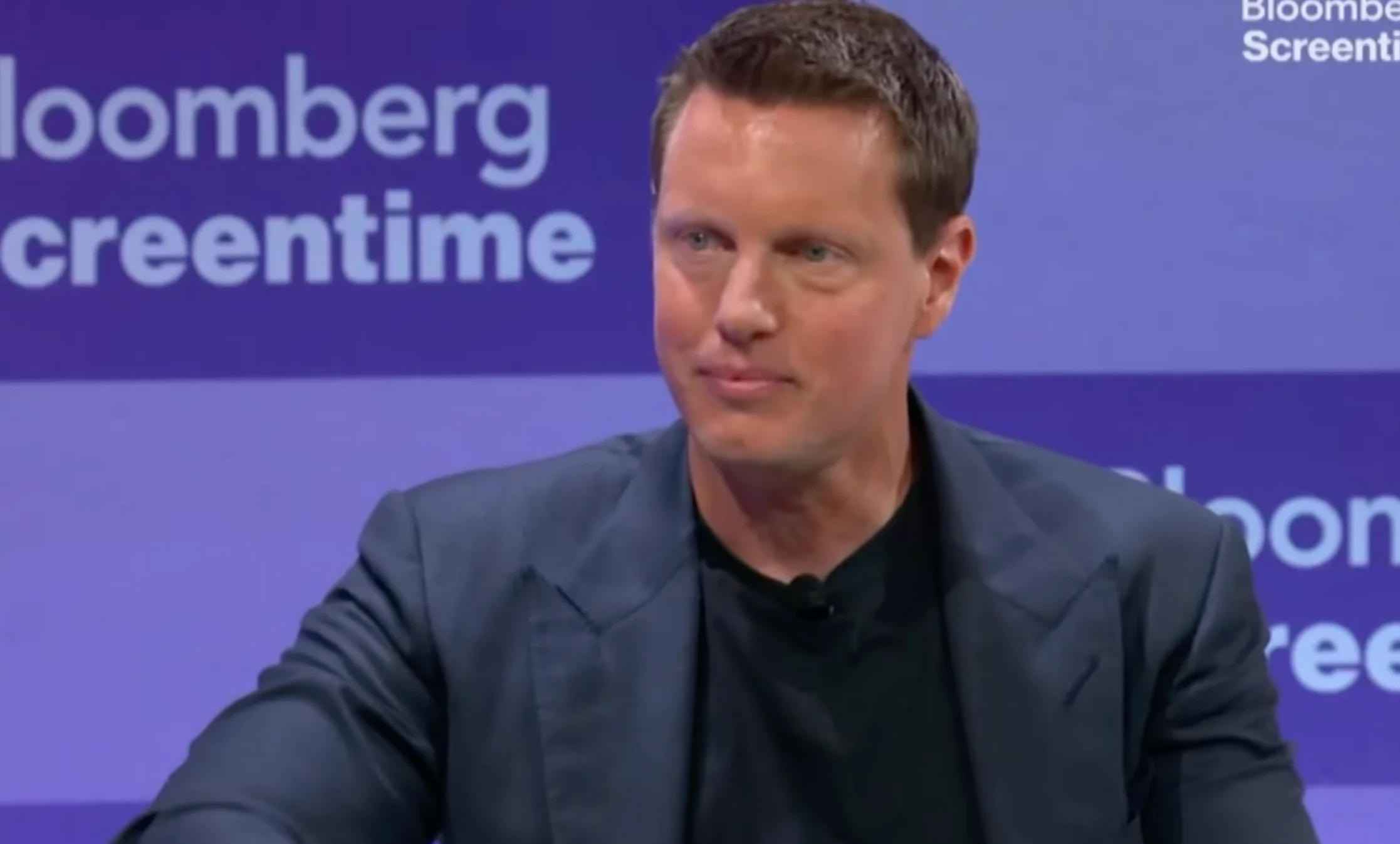
David Ellison talks to Bloomberg – YouTube, Bloomberg Podcasts
READ: Disney Expected to Announce New Disney CEO Next Month as Succession Pressure Builds
He added, “I’ve said it many times, this is a business, not a religion. So conditions change. Insights change. And we have a culture that we reevaluate things when they do.” He also cited previous pivots, including advertising and live events such as sports.
The question on the minds of many industry watchers is whether Netflix is evolving into a combined streaming platform and traditional studio, or if this is only a temporary repositioning to win over critics. Statements from Sarandos and Peters that Netflix considered a theatrical strategy in the past—but lacked the resources to pursue it—may create the impression that it was always moving in this direction.
Changing the Perception
Sarandos also emphasized that he doesn’t want to fundamentally change Warner Bros., saying, “We will have the benefit of a scaled, world-class theatrical distribution business with more than $4 billion of global box office. And we’re excited to maintain it and further strengthen that business.”
The remarks echoed comments he recently made to The New York Times when he committed to set release windows for Warner Bros. films. “We will run that business largely like it is today, with 45-day windows,” Sarandos said. He added that he doesn’t intend to put at risk the “phenomenal theatrical distribution engine” that Warner Bros. has established.
Warner Bros Discovery Logo
Ultimately, Sarandos is painting a picture for Wall Street that Netflix is an agile company, able to pivot with new opportunities. By framing Netflix’s resistance to theaters as a matter of bandwidth rather than ideology, the company is attempting to soften its long-standing reputation as hostile to the theatrical model. Whether that explanation is enough to satisfy skeptics across the industry remains an open question.
Do you believe that Netflix seriously considered pursuing a theatrical release model? Let us know in the comments!
UP NEXT: Nintendo Stock Sees 33% Drop Despite Record Switch 2 Sales — Here’s Why Investors are Worried
