Sony is facing continued backlash over its decision to stop producing physical game discs. It appears the company expected that pushback and reportedly imposed unusually strict social media guidelines on PlayStation employees.
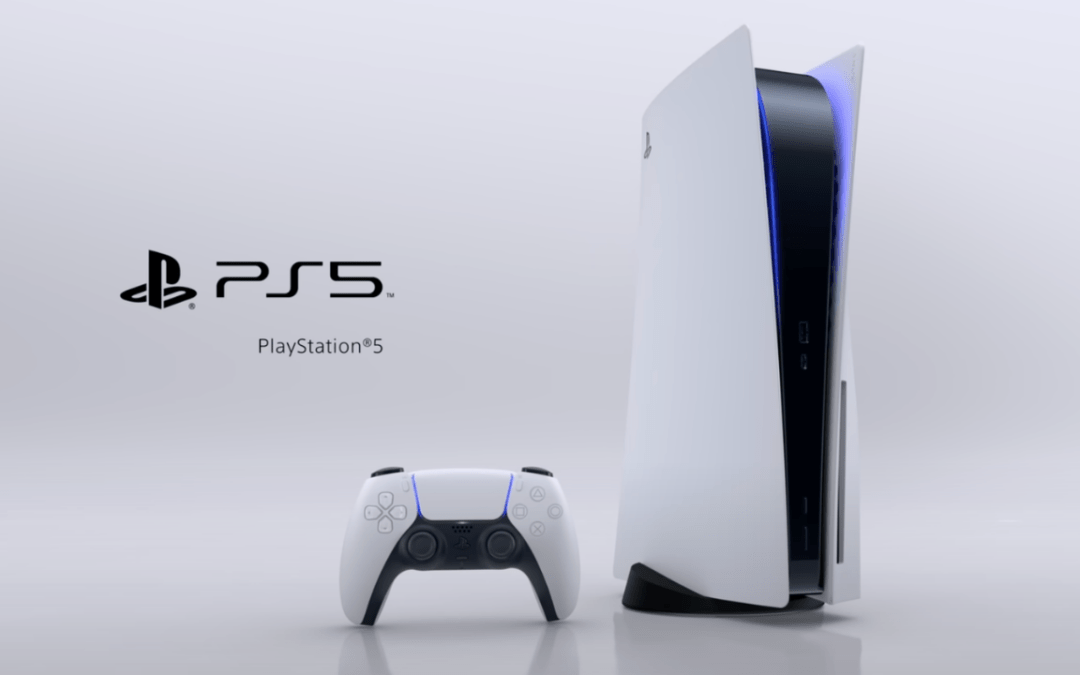

Sony is facing continued backlash over its decision to stop producing physical game discs. It appears the company expected that pushback and reportedly imposed unusually strict social media guidelines on PlayStation employees.

In what many are calling a brazen display of nepotism that has left the gaming world fuming, Ubisoft CEO Yves Guillemot—whose family has helmed the company’s catastrophic decline—has installed his son, Charlie Guillemot, as co-CEO of a newly spun-off subsidiary controlling the publisher’s crown jewel IPs.
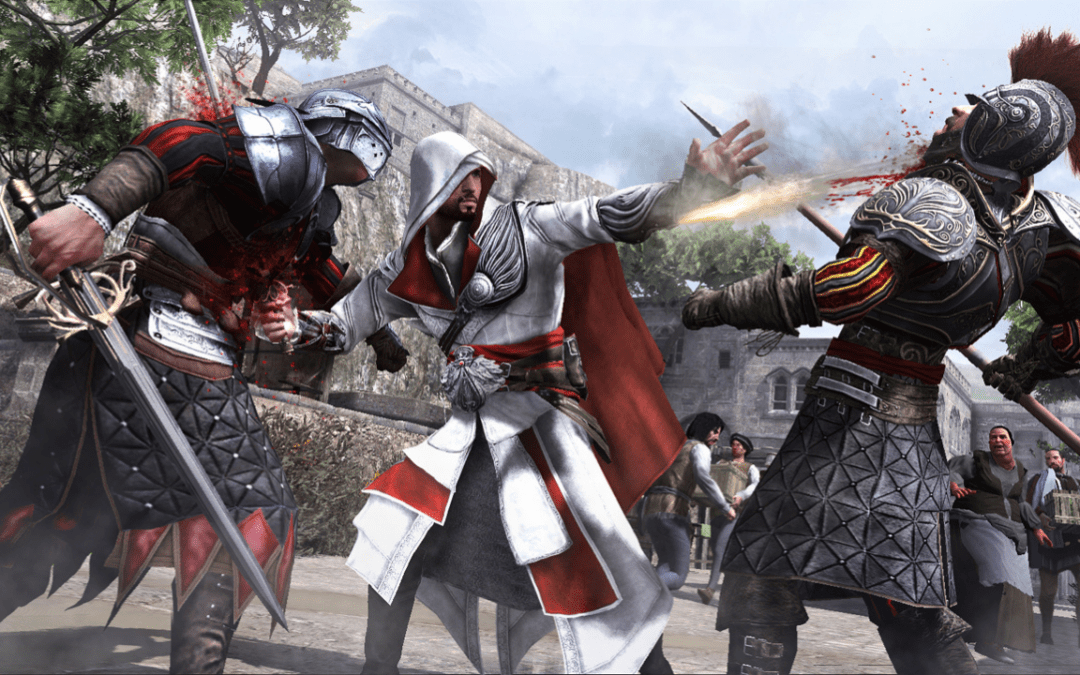
In a move that could offer a fleeting lifeline to a struggling publisher, Netflix has officially greenlit a live-action series based on Ubisoft’s Assassin’s Creed franchise.
In the ever-evolving landscape of digital gaming, a longstanding clause in the Ubisoft End User License Agreement (EULA) has recently sparked widespread outrage among gamers and industry observers. The provision, which requires users to destroy all physical copies of a game upon termination of its license, has been thrust into the spotlight amid growing concerns over game preservation and consumer rights.
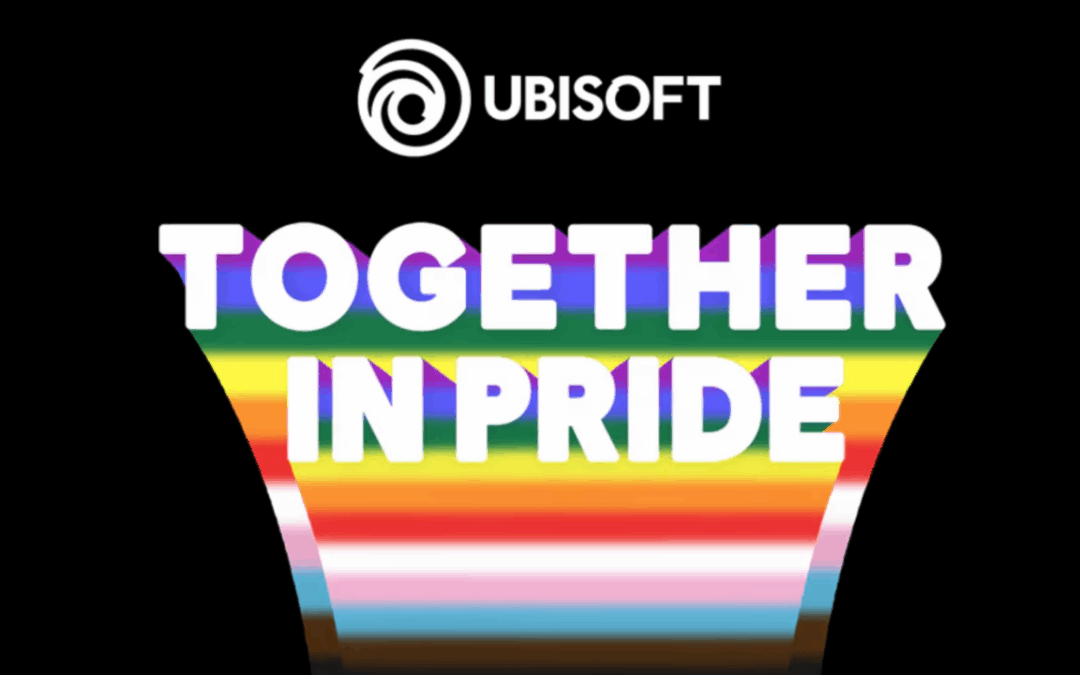
Just days after Ubisoft drew attention for publicly recognizing June Men’s Mental Health Awareness Month via a post from the Rainbow Six Siege X account, a new leak suggests that the company may be continuing its usual PRIDE Month initiatives behind the scenes.
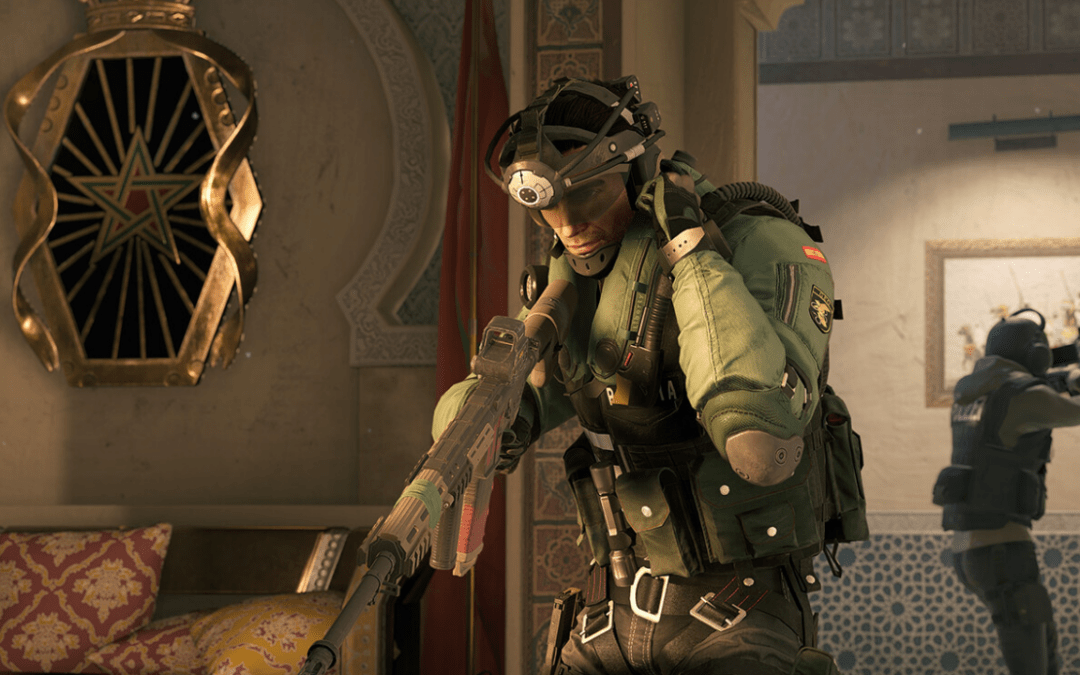
In a notable departure from the past few years, Ubisoft has kicked off the month of June by spotlighting Men’s Mental Health Awareness Month—with no public mention of PRIDE Month across its major brand accounts, at least as of June 2nd.
Ubisoft stock fell sharply on Thursday, dropping more than 18% to €9.55 per share following a fourth-quarter earnings report that disappointed investors and triggered renewed concerns about the company’s financial direction.
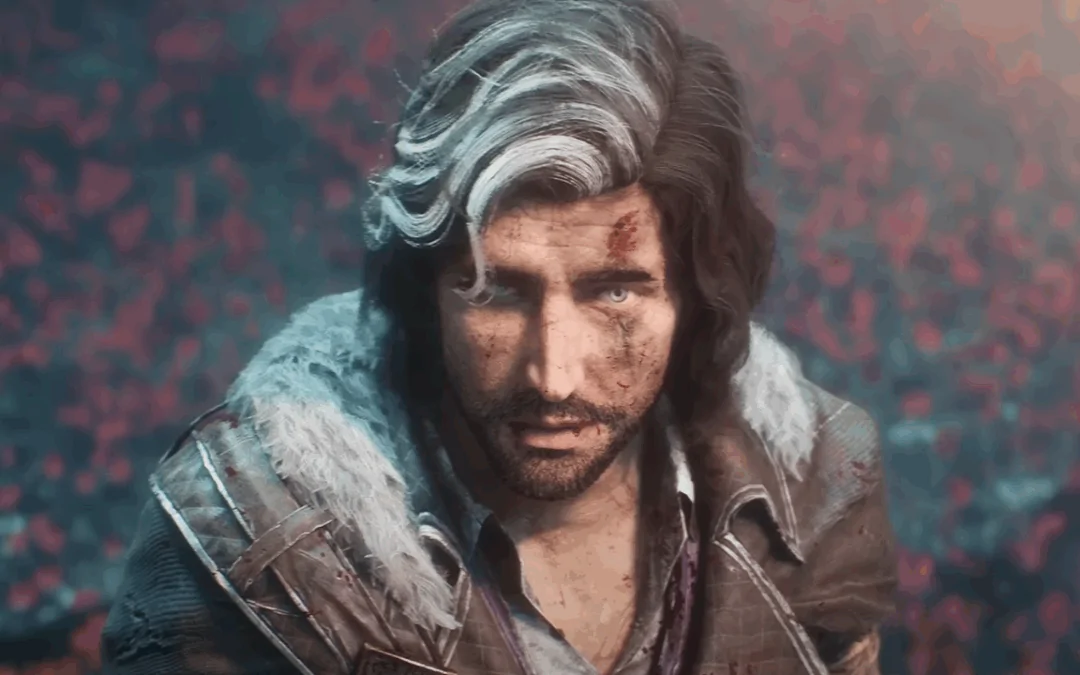
In a gaming landscape dominated by franchise reboots and remakes, it’s rare to see a brand-new intellectual property not only survive, but thrive. Yet that’s exactly what Sandfall Interactive has achieved with sales for Clair Obscur: Expedition 33. Just three days after launch, the game has already sold over one million copies, a feat made even more impressive considering its competition and the size of its development team.

In a newly uncovered court filing, Ubisoft has stated that players never actually owned their copies of The Crew, but instead received a “limited license to access the game.” The declaration comes as part of an ongoing Ubisoft Game Ownership Lawsuit, filed in California after the company shut down the game’s servers in March 2024, making it completely unplayable.
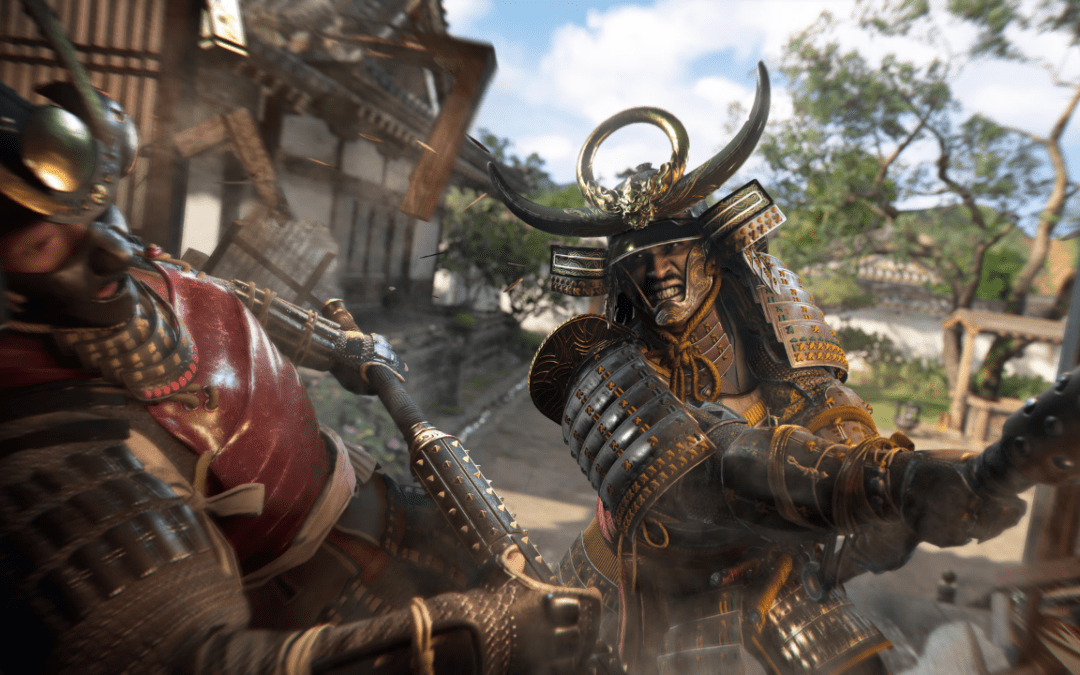
Ubisoft’s financial woes have reached a critical flashpoint. On April 5, 2025, the company’s stock fell below the psychologically and financially significant threshold of €10 per share—an event that sends a clear signal to investors: this company is now considered toxic.
After months of internal emails and corporate reshuffling, Ubisoft Leamington has now publicly confirmed its permanent closure. The announcement came not through a high-profile press release or coordinated corporate messaging—but instead via a modest two-part post on the studio’s unverified X account, symbolizing how far Ubisoft’s reach has fallen.

Ubisoft employees are rattled over the potential for mass layoffs—and they have every reason to be.
On Thursday, Ubisoft announced it is forming a new gaming subsidiary in partnership with Chinese tech giant Tencent. The new entity will house the company’s most valuable franchises, including Assassin’s Creed, Far Cry, and Rainbow Six along with select development studios. While the press release spins this as the start of a “bold new chapter,” internal reactions suggest that the only thing bold about this move is the level of uncertainty it has created for Ubisoft’s remaining workforce.
Ubisoft is hemorrhaging money. That much has been clear since the release of its catastrophic Q3 FY25 earnings report, which revealed a company in freefall. Net bookings plunged 51.8% year-over-year in Q3 alone. Digital bookings fell 33.8%. Player recurring investment—the bread and butter of live-service games—dropped 33.7%. And the company’s debt-to-EBITDA ratio now sits at a nightmarish -21.1x, suggesting Ubisoft is losing money at a rate that makes its financial model unsustainable even before taxes, interest, or amortization are factored in.
So when Ubisoft suddenly announced this week that it had created a new gaming subsidiary—backed by a €1.16 billion ($1.25 billion) investment from Chinese tech giant Tencent—investors were understandably confused. Why would a company circling the drain be launching bold new ventures?